


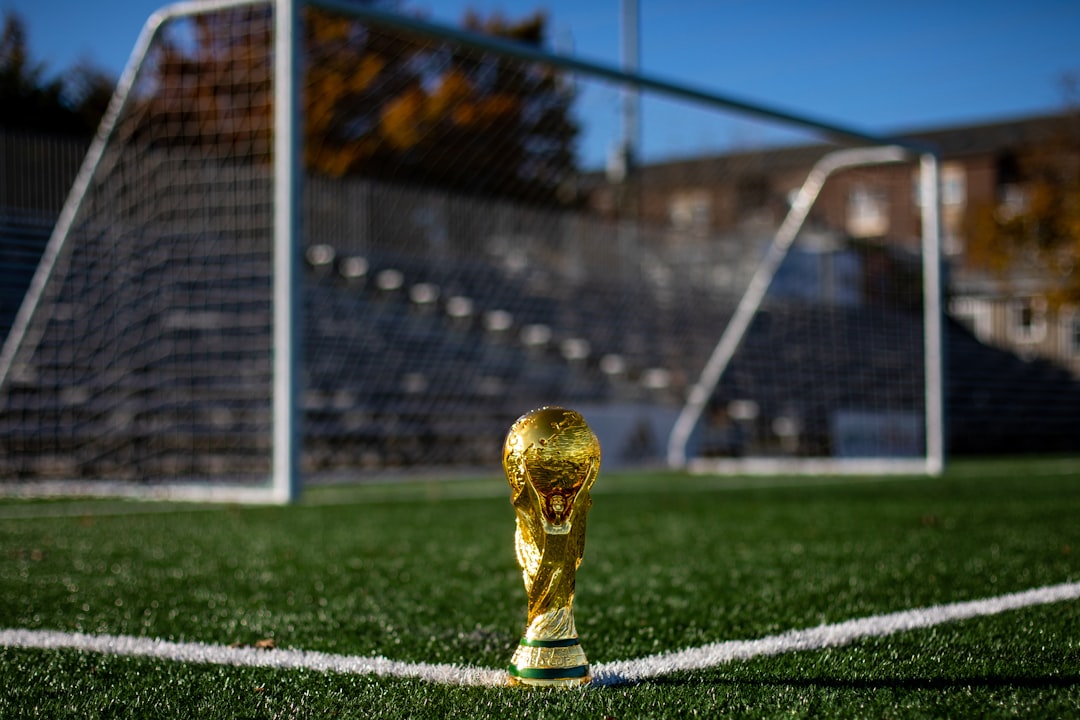
The anticipation surrounding the 2026 FIFA World Cup has intensified as official scheduling details and broadcasting rights continue to solidify, marking a historic shift for the global game. For the first time, the tournament will feature 48 teams, expanding the competitive landscape and altering qualification dynamics for nations across Europe, including the Balkans. The event, hosted jointly by Canada, Mexico, and the United States, represents a monumental logistical and sporting undertaking. For Balkan audiences in Serbia, Croatia, Bosnia, and beyond, the expanded format offers a renewed sense of possibility for national teams that have historically navigated difficult qualification groups. The recent publication of preliminary fixture structures and broadcast plans has sparked widespread discussion across regional media, with fans eager to understand how their favorite teams might navigate this new era of international football.
The expansion from 32 to 48 teams is not merely a numerical change but a structural revolution in how the tournament operates. This shift means that more nations from the Balkans—such as Serbia, Croatia, Bosnia and Herzegovina, and North Macedonia—have a statistically higher chance of qualifying. The tournament will be played across 16 host cities in three countries, a decision that has drawn both praise for its ambition and criticism regarding travel distances. For European fans, the time zone differences and geographic spread present unique challenges for live viewing and potential attendance. The 2026 FIFA World Cup aims to maximize global engagement, but the practical realities of the schedule remain a focal point for analysts and supporters alike.

Structural Changes and Qualification Implications
The core of the 2026 format involves ten groups of six teams in the initial stage, with the top two from each group plus the eight best third-place teams advancing to the round of 32. This structure significantly increases the number of matches played, totaling 104 games compared to the previous 64. For Balkan national associations, this means that the qualification process, managed by UEFA, will see more available slots. Historically, UEFA has allocated 13 to 16 direct qualifying spots, but with the expanded field, European teams now have a more favorable outlook. The competitive balance in European qualifiers may shift, as mid-tier nations from the Balkans find themselves in less congested pathways to the finals.
However, the expanded format also introduces greater unpredictability. With six teams per group, the margin for error decreases, and the importance of every single match in the tournament proper increases. Teams that might have previously been eliminated after a single loss in a group of four now face a more grueling initial stage. This adds a layer of strategic complexity for coaches and federations. For Balkan teams, which often rely on tactical discipline and defensive solidity, the new format demands a balance between caution and the need for points against lower-ranked opponents. The psychological pressure on players and managers will be higher, as the path to the knockout stages is longer and more demanding.
The qualification campaigns are already underway, with UEFA determining the specific pathways and group allocations. The Balkan region, known for its footballing passion and technical talent, will be closely monitoring these developments. Countries like Serbia and Croatia have deep historical ties to the World Cup, with both nations reaching the semi-finals in recent tournaments. The 2026 edition offers them a chance to build on that legacy, while emerging nations like Albania and North Macedonia seek to make their mark on the global stage. The expanded field is seen as an opportunity to showcase the diversity and depth of football talent in the region.
Broadcasting, Logistics, and the Fan Experience
For the Balkan audience, the accessibility of the tournament is a critical concern. With matches spread across Canada, Mexico, and the United States, time zone differences will impact viewing schedules. While some matches will be played at times convenient for European audiences, others may fall in the early morning hours, posing challenges for live attendance and casual viewing. Regional broadcasters are already negotiating rights to ensure comprehensive coverage, with platforms like FIFA’s official channels and local sports networks playing key roles. The integration of digital streaming services is expected to enhance accessibility, allowing fans to follow their teams with greater flexibility.
Travel logistics for fans planning to attend matches in North America are another significant factor. The sheer scale of the tournament, with venues ranging from Toronto and Vancouver to Mexico City and New Jersey, requires careful planning. Visa requirements, flight costs, and accommodation availability will influence the number of Balkan supporters who can make the journey. Organizers are working to streamline travel processes, but the geographic spread remains a hurdle. For many fans, the experience will be largely virtual, relying on high-quality broadcasts and digital engagement to feel connected to the event.
The economic impact of the World Cup extends beyond the host nations, influencing tourism and commerce globally. For Balkan countries, the tournament is a catalyst for national pride and community engagement. Local businesses, from sports bars to merchandise retailers, anticipate a surge in activity as fans rally behind their teams. The cultural resonance of football in the Balkans ensures that the World Cup remains a central event in the sporting calendar, transcending mere competition to become a shared social experience. The expanded format amplifies this effect, offering more opportunities for fans to engage with the tournament over a longer period.

Looking Ahead: Key Dates and Regional Expectations
As the 2026 FIFA World Cup approaches, the focus shifts to the qualification campaigns and the final draw. UEFA’s qualification process will determine which Balkan teams secure their spots, with intense competition expected in every group. The final tournament draw, scheduled for late 2025, will reveal the group stages and set the stage for the competition. Fans and analysts alike are preparing for a tournament that promises to be more inclusive yet more challenging. The legacy of the 2026 World Cup will be shaped by how teams adapt to the new format and how fans engage with the expanded event.
For the Balkan region, the tournament represents a chance to reaffirm its place in the global football landscape. With a rich history of producing world-class players and memorable tournament performances, the region is poised to contribute to the drama of 2026. The expanded field offers a broader platform for these nations to showcase their talent and passion. As the countdown begins, the anticipation builds, driven by the hope that the new format will deliver a tournament that is both competitive and accessible. The world will be watching, and the Balkans will be looking on with keen interest.

Comments