


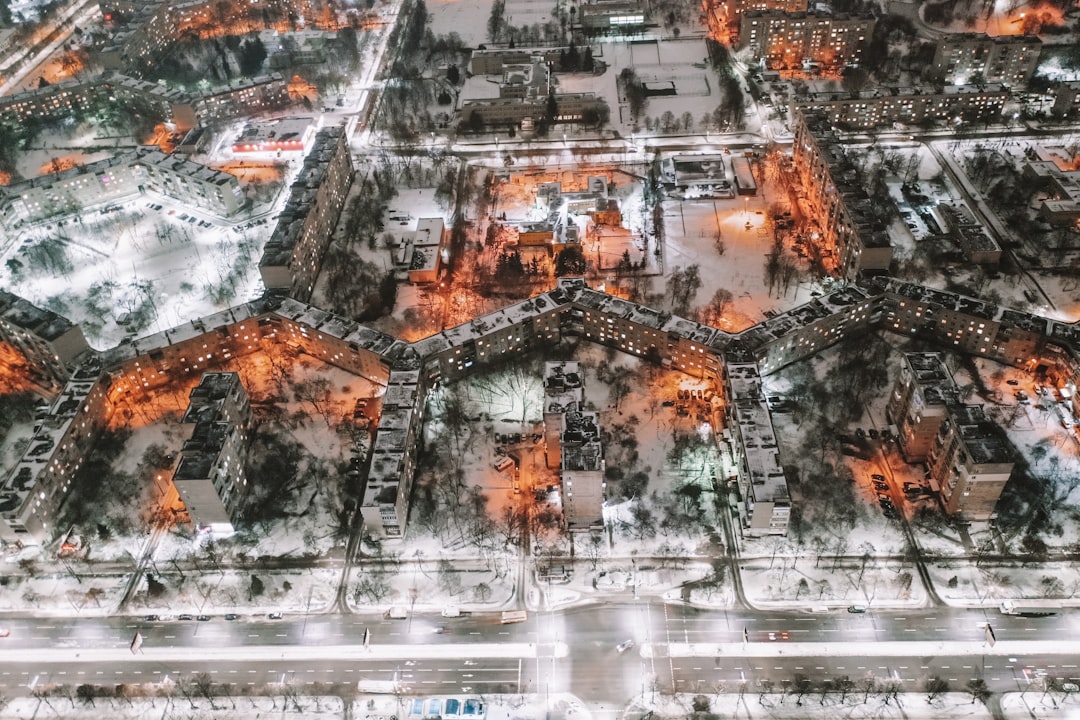
The search term дрон (drone) has spiked across Balkan news feeds, reflecting a rapid shift in how Southeast Europe is adopting unmanned aerial systems. From Bulgarian vineyards to Croatian coastal tourism, Serbian border patrols to Romanian infrastructure inspections, drones are no longer niche gadgets but essential tools reshaping industries. For Balkan audiences, this trend matters because it intersects with economic development, national security, and everyday life. As governments update regulations and private companies scale operations, the region is becoming a testing ground for affordable, high-impact drone applications that could influence neighboring countries and the wider European Union.
From Hobbyist Toys to Industrial Workhorses
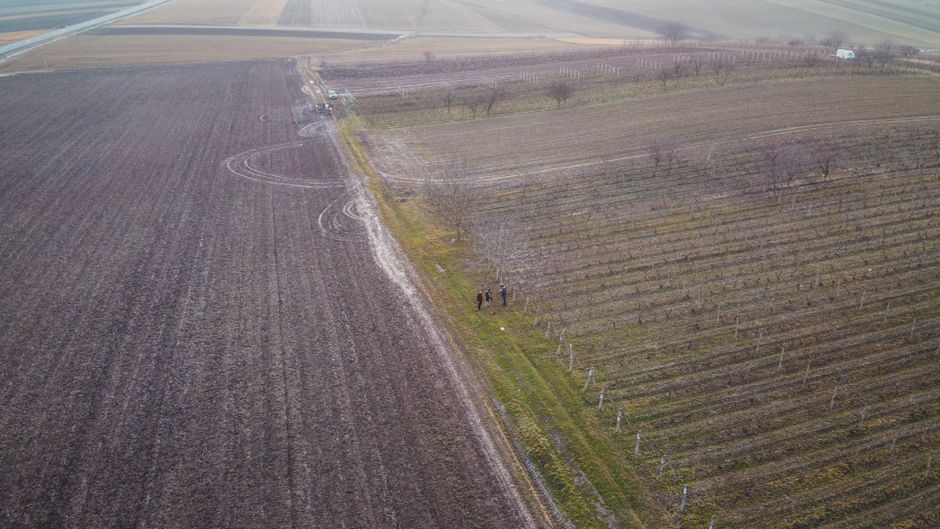
Five years ago, drones in the Balkans were largely associated with hobbyists and amateur photographers. Today, they are deployed in precision agriculture, construction monitoring, search-and-rescue missions, and media production. In Bulgaria, for example, agricultural cooperatives use drones to map soil health and optimize irrigation, reducing water usage by up to 30% in some regions. Serbian startups are exporting drone-based inspection services to coal-fired power plants and wind farms, while Croatian tourism boards rely on aerial footage to promote lesser-known islands and national parks.
The shift is driven by falling hardware costs, improved battery life, and AI-powered flight autonomy. Companies like DJI, Autel, and European manufacturers such as Skydio are dominating the market, but local firms are also emerging. In Romania, Bucharest-based Drone Solutions offers custom-built UAVs for pipeline monitoring, while Belgrade’s SkyView Serbia trains operators for municipal and private clients. These developments are accelerating the transition from recreational flying to professional, regulated use.
Regulatory frameworks are catching up. Most Balkan countries now require drone operators to register, obtain licenses for commercial use, and adhere to no-fly zones near airports, military bases, and sensitive infrastructure. The European Union’s common drone regulations, fully implemented in 2024, have harmonized rules across member states like Bulgaria, Romania, and Croatia, simplifying cross-border operations for businesses.
Security, Sovereignty, and the Black Sea Context
While civilian applications grow, drones also feature prominently in security discussions, particularly in the Black Sea region. Romania and Bulgaria, both NATO members, have integrated unmanned systems into border surveillance and maritime monitoring. In 2023, Romanian authorities used drones to track suspicious vessels near the Danube Delta, while Bulgarian coast guard units deployed UAVs to monitor fishing activities and prevent illegal crossings. These efforts are part of broader EU-funded initiatives to strengthen regional security.
The war in Ukraine has further highlighted the strategic value of drones. Both Romania and Bulgaria have supported Kyiv with military and humanitarian aid, including commercial drones repurposed for reconnaissance. Serbian and Turkish companies have also drawn attention for supplying UAVs to various conflict zones, raising questions about export controls and dual-use technology. For Balkan audiences, these developments underscore the geopolitical significance of drone technology beyond civilian use.
At the same time, unauthorized drone flights have sparked tensions. In early 2024, a drone incident near Sofia’s airport led to flight delays and renewed calls for stricter enforcement. Similar cases in Belgrade and Bucharest have prompted police to expand surveillance capabilities, including radar systems designed to detect small UAVs. These incidents reflect a growing challenge: balancing innovation with public safety.

The Balkan Advantage: Cost, Terrain, and Talent
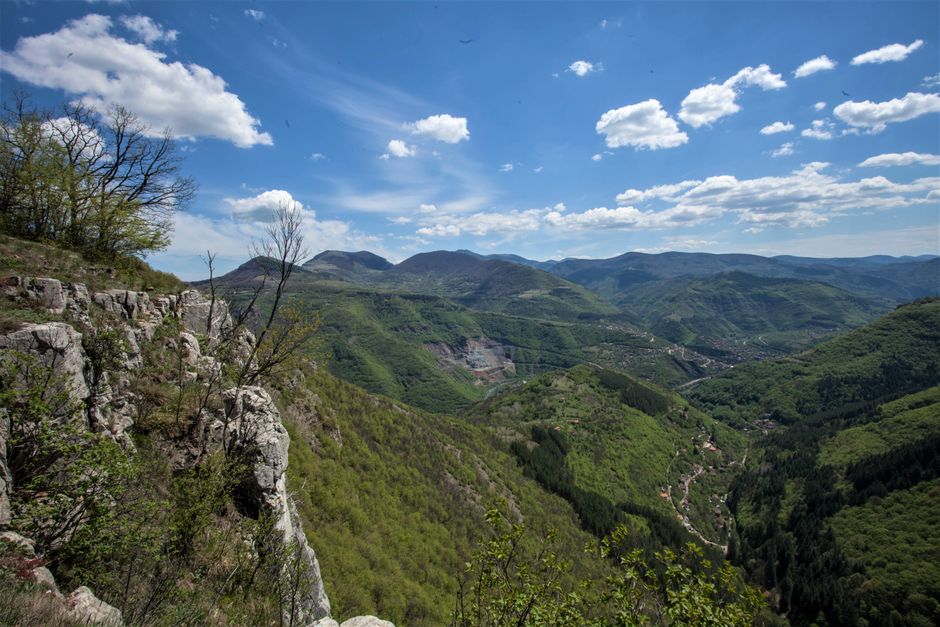
The Balkans offer unique advantages for drone adoption. The region’s diverse terrain—mountains, coastlines, and dense forests—makes ground-based monitoring difficult, creating demand for aerial solutions. At the same time, lower labor costs and a growing tech-savvy workforce make it attractive for drone service providers. University programs in Sofia, Belgrade, and Cluj-Napoca now include UAV engineering and operations, producing a new generation of specialists.
Tourism is another sector benefiting from drone technology. Croatian islands like Vis and Hvar use aerial footage to attract visitors, while Montenegro’s Durmitor National Park employs drones for trail maintenance and wildlife monitoring. In Greece, although not always classified as Balkan in EU contexts, Aegean island operators use drones to manage overtourism and protect fragile ecosystems. These applications demonstrate how small regions can leverage technology to enhance sustainability and economic resilience.
Looking ahead, the Balkan drone market is poised for further growth. Industry analysts project a 25% annual increase in commercial UAV sales through 2030, with Southeast Europe outpacing many Western European markets. Governments are investing in drone ports, charging infrastructure, and airspace management systems to support this expansion. For readers, this means more job opportunities, improved public services, and a region increasingly defined by its technological adaptability.


Comments