


The 2026 FIFA World Cup has delivered one of its most compelling Group Stage narratives in the encounter between Australia and Turkey. Played on June 14, 2026, this match represents more than just three points; it is a collision of two footballing philosophies seeking validation on the world's biggest stage. For Balkan audiences, particularly in Turkey and the diaspora communities across Greece, Bulgaria, and Serbia, the performance of the Turkish national team serves as a focal point of regional pride and scrutiny. The Socceroos, known for their physical resilience and tactical discipline, face a Turkish side that blends European technical flair with high-intensity pressing. This fixture matters because both teams are fighting to advance to the Round of 32, and a single result could dictate the trajectory of their entire tournament campaigns.
Tactical Breakdown and Match Context
The tactical setup for both managers reflects the distinct identities of their nations. Australia, under the guidance of their coaching staff, has historically relied on a compact defensive structure and rapid transitions, utilizing the pace of their wingers to exploit spaces left by opposing full-backs. In contrast, Turkey has evolved into a possession-oriented side that dominates midfield control, leveraging the technical ability of players developed in top European leagues. The match at the designated World Cup venue showcased this dichotomy clearly. Turkey sought to dictate the tempo early, using short passing combinations to break down the Australian backline, while Australia focused on disrupting these patterns through aggressive pressing and aerial dominance in set-piece situations.
Key moments in the first half highlighted these strategic differences. Turkey created several chances through intricate build-up play, but Australia’s defensive organization, led by experienced center-backs, managed to neutralize most threats. The Socceroos looked dangerous on the counter-attack, forcing the Turkish defense to retreat quickly and maintain shape. The physicality of the Australian midfielders clashed with the technical agility of the Turkish playmakers, creating a midfield battle that was both intense and closely contested. This tactical stalemate underscored the high stakes of the encounter, as neither side was willing to concede the first goal.
The Balkan Connection and Regional Significance
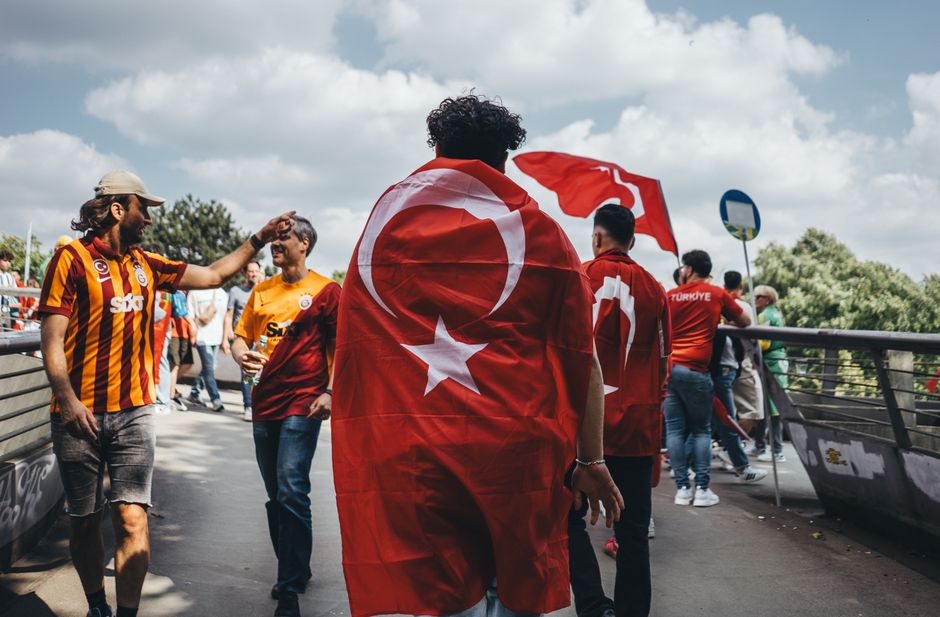
For viewers in the Balkans, the Turkey national team holds a special place in the regional football consciousness. With a significant Turkish diaspora in countries like Bulgaria, Greece, and North Macedonia, the performance of the Turkish squad resonates deeply across borders. The Balkan region has a rich history of football rivalry and passion, and Turkey’s participation in the World Cup is viewed as a continuation of its status as a major footballing force in Southeast Europe. Fans in Istanbul, Ankara, and Balkan cities alike tuned in to watch their heroes compete, creating a shared emotional experience that transcends national boundaries. The presence of players with Balkan heritage or connections further amplifies this interest, adding layers of personal stakes to the national pride.
In Greece, the match drew considerable attention due to the historical and cultural ties between the two nations. Greek media outlets provided extensive coverage, analyzing Turkey’s performance with a mix of respect and competitive anticipation. Similarly, in Serbia and Bulgaria, where Turkish communities are well-established, local clubs and fan groups organized viewing parties, highlighting the football’s role in fostering community and cultural exchange. The Balkan angle is not just about supporting a team; it is about engaging with a regional narrative that has evolved over decades. This match served as a reminder of the interconnectedness of Balkan football cultures, where success on the international stage is celebrated as a collective achievement.
Impact on Standings and Future Implications
The result of the Australia vs Turkey match has significant implications for the Group Stage standings. A win for Turkey would likely secure their position in the top two, ensuring advancement to the knockout stages, while a draw or loss would put pressure on their remaining fixtures. For Australia, a victory would be crucial for their hopes of progressing, as they need to maximize points in a competitive group. The dynamics of the group mean that every match is critical, and the outcome of this fixture will influence the strategies of both teams in their subsequent games. Analysts suggest that the team that demonstrates greater adaptability and resilience will have the upper hand in the high-pressure environment of the World Cup.
Looking ahead, the performance of both teams will be closely monitored by scouts and fans alike. For Turkish players, a strong showing in the World Cup could lead to increased interest from top European clubs, enhancing their market value and career prospects. Similarly, Australian players have the opportunity to showcase their talents on a global platform, potentially attracting offers from prestigious leagues. The World Cup serves as a catalyst for player development and career advancement, making every minute of play significant. As the tournament progresses, the lessons learned from this match will inform future tactics and strategies, shaping the legacy of both national teams.
The Australia vs Turkey match is more than a game; it is a testament to the global appeal and cultural significance of football. For Balkan audiences, it offers a chance to engage with a regional power on the world stage, reinforcing the ties that connect the region to the broader footballing community. As the 2026 World Cup continues, fans will watch closely to see how both teams adapt and evolve, knowing that their performances will echo far beyond the final whistle. The passion, strategy, and stakes involved make this fixture a memorable chapter in the tournament’s history, one that will be discussed and debated for years to come.


Comments