


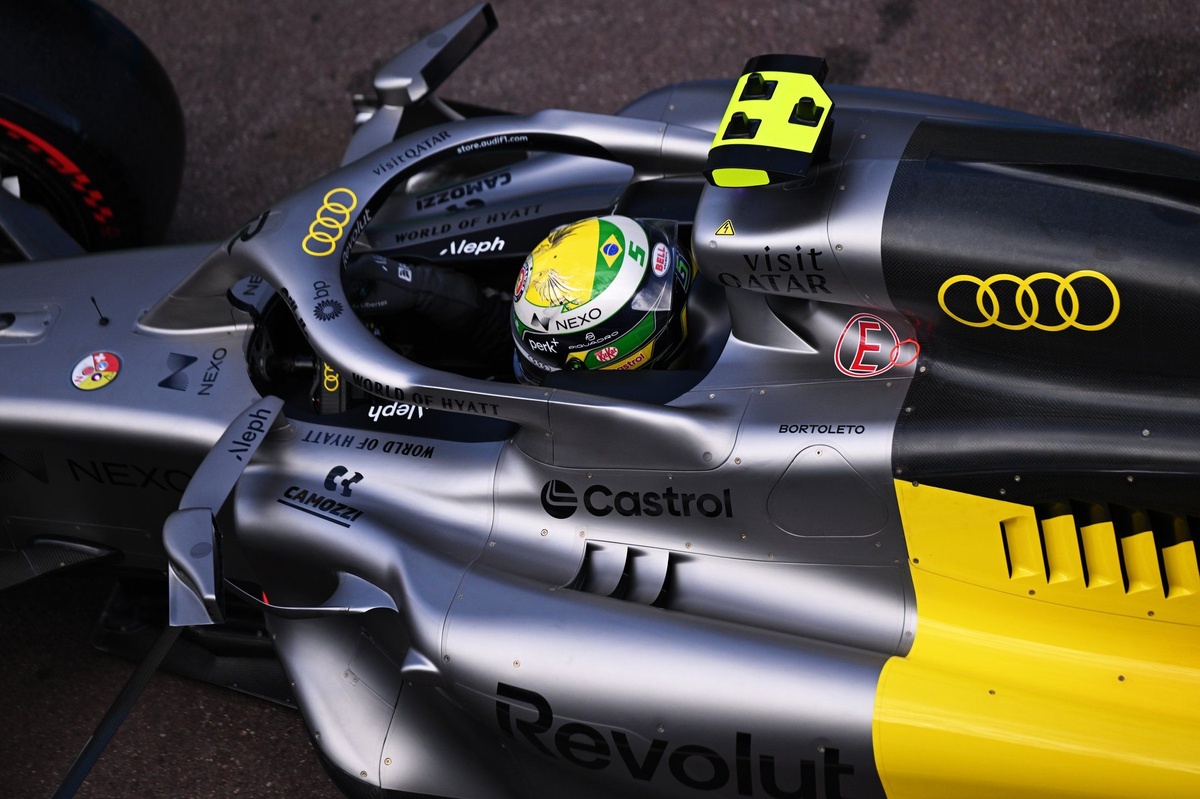
The engines are hot, the money is tighter, and the politics are sharper than ever. As the F1 paddock heads toward Montreal, the shadow of 2027 looms large. The FIA has thrown out a lifeline: an "agreement in principle" for a 60/40 split between internal combustion and electric power. But don’t get too excited just yet. Behind the polished press conferences, the reality is a minefield of technical debates and financial fears.
The Cost Cap Curtain
Max Verstappen is singing the praises of the new split, linking his future to it, but the team principals? They are sweating. Ferrari is playing 4D chess with ADUO, while Audi and Honda are staring down the barrel of massive bills. Enter Gernot Dollner, Audi’s CEO, who didn’t mince words in Monaco. Stability isn’t just a buzzword for him; it’s survival. "Our perspective really is to have stability there," Dollner declared. "We have to be cost-efficient."
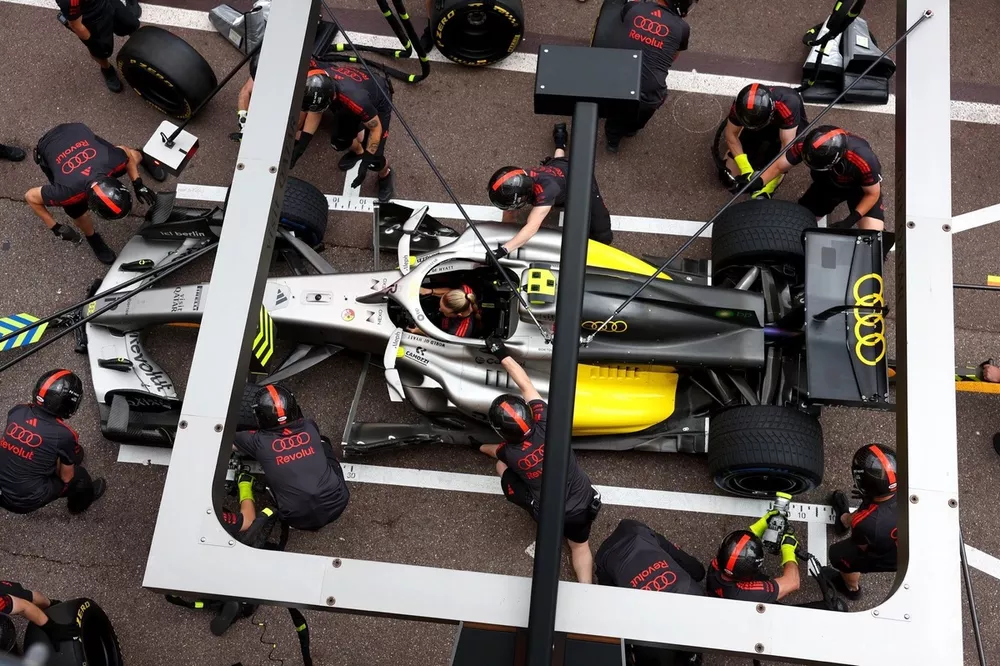
Think about it. Audi is a relative rookie in the high-stakes arena of F1. Their innovation curve is steep, starting from a lower base. They don’t have the luxury of burning cash on hardware overhauls when the cost cap is watching like a hawk. Dollner made it clear: "We are not keen on changing soon." Why? Because they just invested heavily in a drivetrain concept. Why rip it up and start over?
Optimization Over Overhaul
So, what’s the alternative? Audi isn’t saying "no" to everything. They are open to tweaks. A 5% increase in fuel flow? Sure. A reduction in downforce by 40 to 50 points? Acceptable. These are software and setup adjustments, not multi-million dollar hardware rebuilds. "We would better see to invest in the overall system optimisation of our car and drivetrain system," Dollner insisted. It’s a smart move. Why pay for a new engine when you can squeeze more speed out of the one you have?
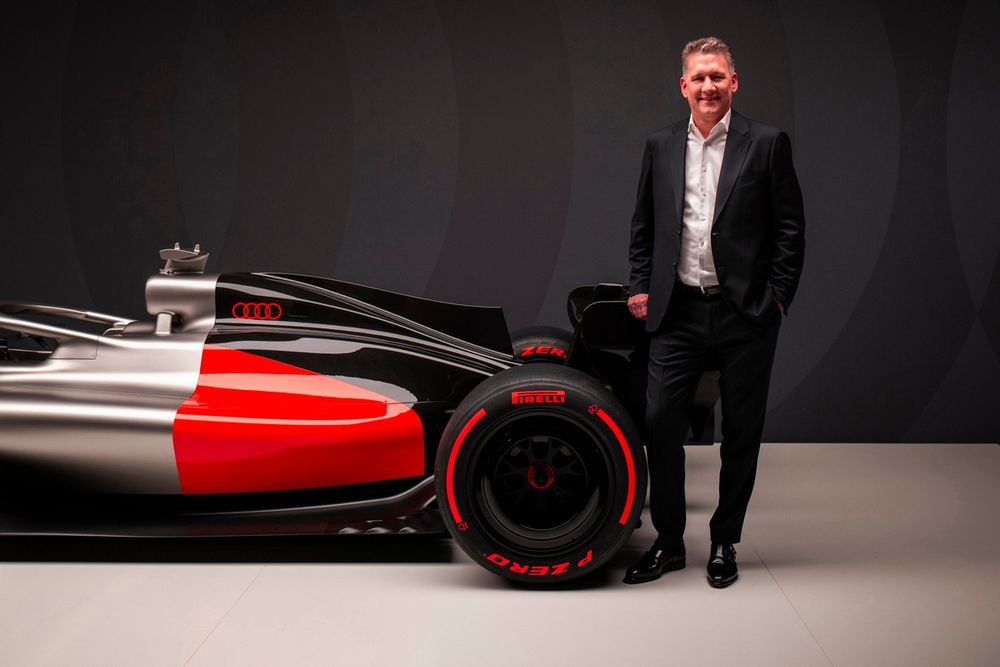
And let’s not forget the corporate ladder. Audi sits under the massive umbrella of the Volkswagen Group. Any major investment needs to pass through multiple management boards. It’s a bureaucratic gauntlet. Dollner hinted this isn’t the primary blocker, but it’s a real-world constraint. The message from Ingolstadt is loud and clear: optimize, don’t overhaul. The 2027 rulebook is still being written, but Audi is holding the pen tightly, guarding their budget every step of the way.

honestly didn't see audi being so stubborn about the 2027 regs lol. they really just wanna squeeze every drop out of that current PU rn. makes sense financially but tbh where's the thrill? maybe they'll cave when ferrari dominates again...