


The upcoming friendly match between Argentina and Iceland has generated significant interest across football circles, particularly in the Balkans where both national teams maintain a loyal following. This fixture serves as a critical opportunity for Argentina to assess squad depth and tactical cohesion ahead of upcoming competitive fixtures, while Iceland uses the game to rebuild momentum and integrate new talent into their national setup. For fans in Greece, Serbia, Croatia, and the broader region, the match offers a chance to witness the contrasting styles of the world champions against a resilient Nordic side known for its disciplined structure and passionate fanbase.
Argentina, under the continued guidance of manager Lionel Scaloni, is navigating a period of transition as older stars look to cement their legacy and younger players from the domestic league and Europe seek international recognition. The team’s recent performances in South American qualifiers and club competitions have shown flashes of brilliance but also moments of inconsistency, raising questions about squad rotation and tactical flexibility. Iceland, meanwhile, is focused on stabilizing after a challenging period in UEFA Nations League campaigns, aiming to restore the confidence that propelled them to historic success in the 2016 European Championship and 2018 World Cup.
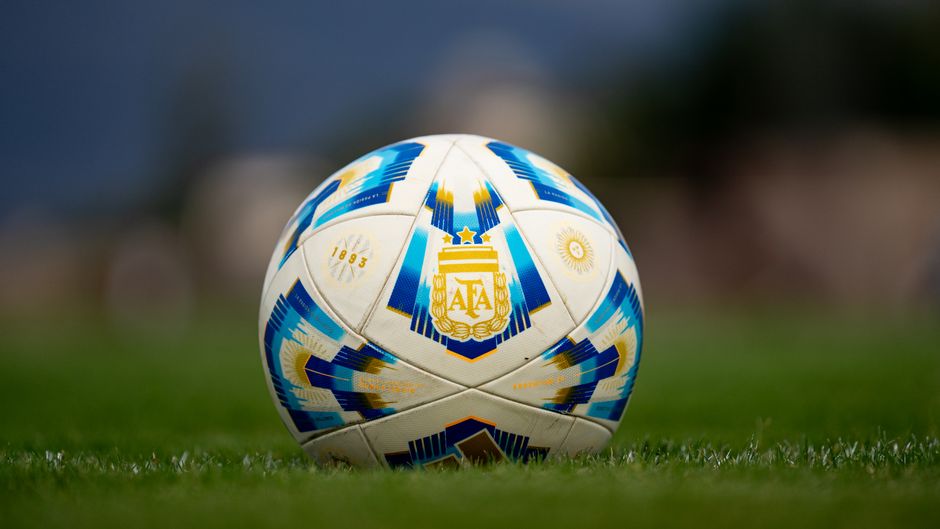
Team News, Lineups, and Tactical Preview
Argentina is expected to field a balanced mix of experienced internationals and emerging talents, with key players like Lionel Messi, Julián Álvarez, and Enzo Fernández likely to start. The midfield battle will be crucial, as Argentina looks to control possession and dictate tempo against Iceland’s compact defensive block. Scaloni may opt for a 4-3-3 formation, emphasizing width through the fullbacks and quick transitions through the central attacking trio. Injuries and suspension concerns have been minimal, allowing the coach to experiment with different combinations without compromising overall strength.
Iceland’s lineup is anticipated to feature a solid backline anchored by experienced defenders, with an emphasis on defensive organization and counter-attacking efficiency. Manager Heimir Hallgrímsson or his successor is likely to deploy a 4-4-2 or 4-5-1 system, prioritizing midfield discipline and set-piece threat. Players like Björn Sigurðarson and Arnór Sigurðarson are expected to play pivotal roles in linking defense and attack, while the team’s physicality and work rate remain key assets. The Icelandic side will look to exploit spaces left by Argentina’s high press, using quick vertical passes and strategic long balls to bypass the midfield.
Head-to-head records between the two nations are limited, with previous encounters yielding inconclusive results that highlight the competitive nature of such friendlies. Both teams have expressed mutual respect, with pre-match press conferences emphasizing sportsmanship and the value of testing strategies against diverse opponents. The match is also expected to feature a strong visual and cultural presence, with fans from both nations traveling to support their teams and creating an international atmosphere at the venue.
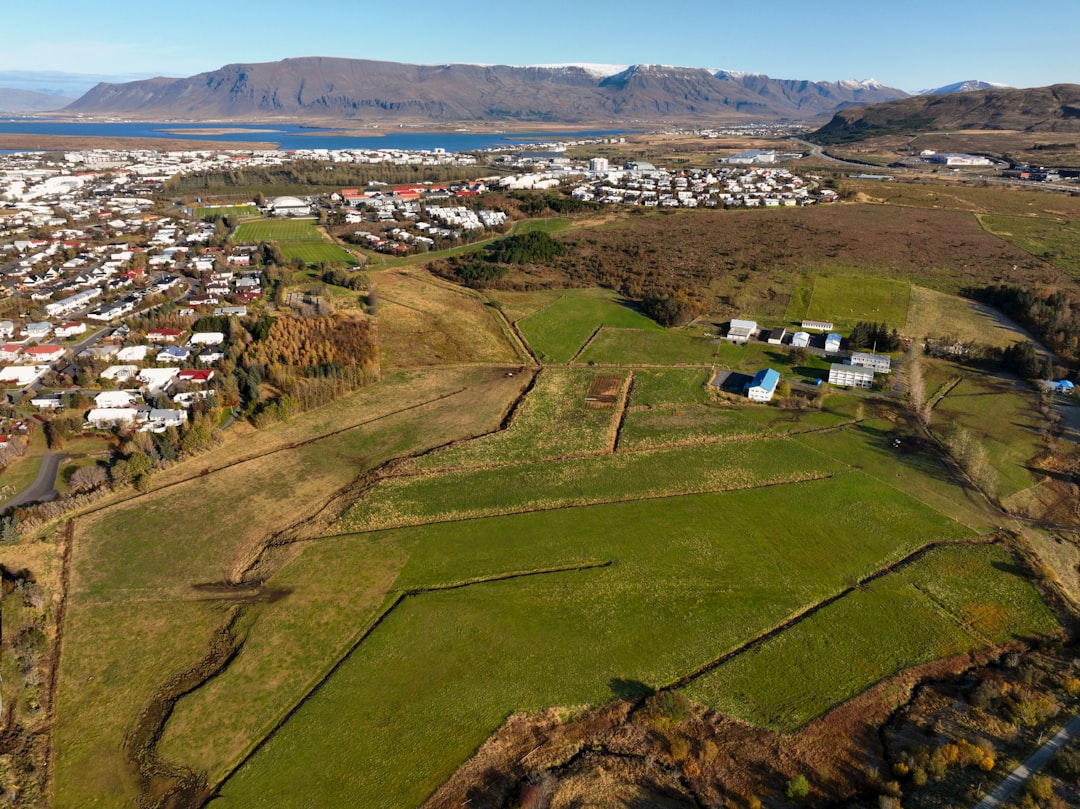
Significance for Both Nations and the Balkan Football Scene
For Argentina, the match is a litmus test for squad depth and tactical adaptability as they prepare for future World Cup qualifiers and Copa América campaigns. The performance of younger players will be closely scrutinized, with clubs across Europe and South America monitoring their development. Success against a well-organized Icelandic side would boost confidence and validate Scaloni’s long-term project, while any shortcomings could prompt adjustments in selection or formation ahead of more critical fixtures.
Iceland’s participation in this match underscores their commitment to rebuilding and regaining relevance on the international stage. After years of decline following their historic tournament runs, the national team is focused on establishing a new identity that blends youth, experience, and tactical discipline. A competitive performance against Argentina would signal progress and attract attention from scouts and sponsors, while also revitalizing domestic interest in the national team program. The Icelandic Football Association has emphasized that such friendlies are essential for player development and strategic evolution.
In the Balkans, where football culture is deeply ingrained and international matches are widely followed, this fixture offers a unique viewing opportunity. Fans in Serbia, Croatia, Greece, and other regional countries often support multiple international teams, and the contrast between Argentina’s attacking flair and Iceland’s defensive resilience provides a compelling narrative. Local media outlets are expected to provide extensive coverage, with expert analysis and live commentary enhancing the viewing experience for regional audiences. The match also serves as a reminder of the global nature of modern football, where regional fans engage with international rivalries and player movements across continents.

What to Watch For and Why It Matters
As the match approaches, attention will focus on how Argentina manages possession and creates chances against a compact Icelandic defense. The ability of young talents to perform under pressure, the effectiveness of set-piece strategies, and the impact of substitutions will be key indicators of both teams’ readiness for upcoming competitions. Iceland’s capacity to maintain defensive structure while threatening on the counter will determine whether they can secure a respectable result against the world champions.
For Balkan audiences, the match offers more than just entertainment; it reflects the evolving dynamics of international football, where tactical innovation, player development, and global connectivity shape the sport’s future. Whether Argentina asserts dominance or Iceland delivers a resilient performance, the outcome will provide valuable insights into the direction of both national teams. Fans should monitor post-match analyses, player interviews, and tactical breakdowns to understand the implications for future fixtures and international tournaments.
The Argentina vs Iceland friendly is more than a routine exhibition; it is a strategic benchmark for two nations with distinct footballing philosophies and ambitions. As the teams take the pitch, the global football community, including passionate fans across the Balkans, will be watching to see how these contrasting styles collide and what lessons emerge for the future of international competition.

Comments