



The search term "Argentina - Iceland" has recently spiked in global interest, reflecting a renewed curiosity about the footballing trajectories of two nations with vastly different histories in the sport. For Balkan audiences, who possess a deep, intrinsic understanding of football culture, this juxtaposition offers a fascinating study in contrasts. Argentina, a traditional heavyweight with multiple World Cup titles, represents the pinnacle of South American footballing excellence. Meanwhile, Iceland, the small Nordic island nation, serves as a modern case study in how organizational structure can elevate a minnow into a competitive European side. The trending search is not driven by an immediate, scheduled match between the two in this current window, but rather by long-term comparisons, historical data analysis, and the ongoing development of their respective national teams under new managerial regimes.
This interest stems from the broader narrative of global football dynamics. Fans and analysts are comparing the established, talent-rich ecosystem of Argentina with the innovative, community-driven model that propelled Iceland to unexpected heights. For readers in the Balkans, where football is a central cultural pillar, understanding how different nations approach team building, youth development, and tactical innovation provides valuable context for their own domestic leagues and national team performances. The comparison highlights that while raw talent is essential, strategic planning and national unity can also yield significant results on the international stage.
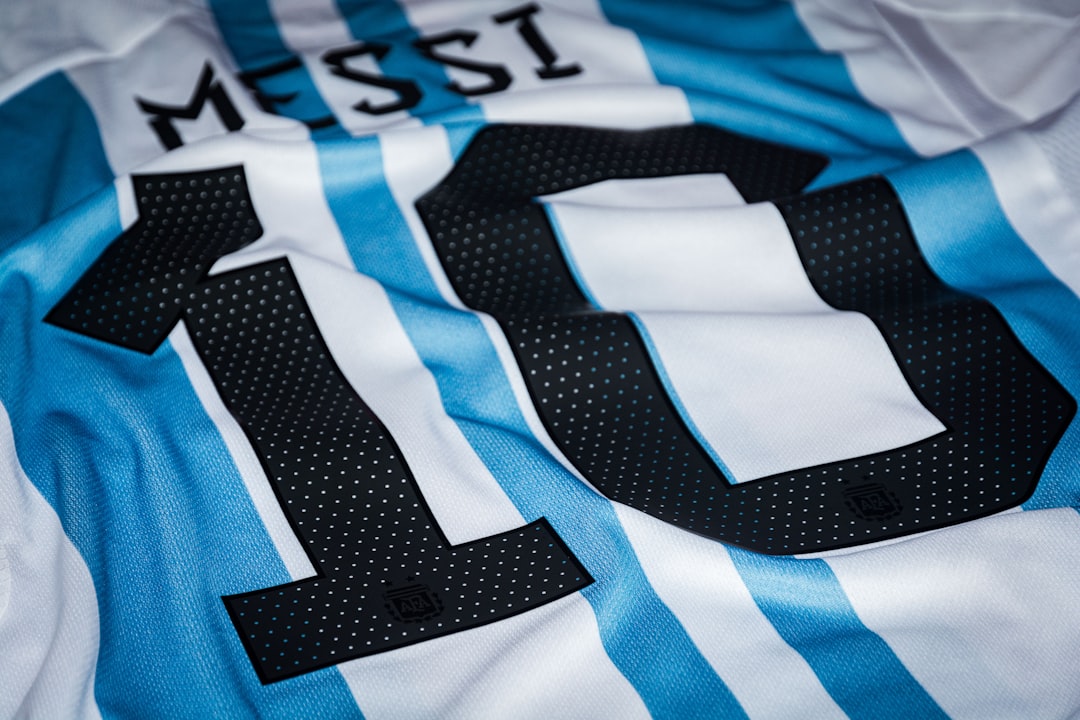
The Argentine Giant: Legacy and Current Form
Argentina remains one of the most decorated nations in football history. The national team, governed by the Argentine Football Association, has won the FIFA World Cup three times, most recently in 2022 in Qatar. This victory cemented the legacy of Lionel Messi, who led the team to triumph after decades of near-misses. The current squad continues to benefit from a deep pool of talent playing in top European leagues, including the Premier League, La Liga, and Serie A. Players like Julian Alvarez, Enzo Fernandez, and Alexis Mac Allister form a core group that combines experience with youthful energy.
Under the continued guidance of manager Lionel Scaloni, Argentina has maintained a high level of consistency in South American qualifiers for the upcoming World Cup. The team’s tactical flexibility, often utilizing a 4-3-3 or 4-4-2 formation, allows them to adapt to various opponents. For Balkan fans, who often follow the exploits of Argentine players in European clubs, the national team’s success is a point of global pride. The depth of their squad ensures that even when key players are unavailable, the team remains a formidable force in international competitions.
The cultural impact of Argentine football extends far beyond the pitch. The passion of the fans, the historical rivalries with Brazil and Uruguay, and the global star power of its players make every match a major event. The recent World Cup win has only amplified this status, attracting a new generation of fans worldwide. As the team looks toward the 2026 World Cup, the focus is on maintaining this momentum while integrating new talents from their robust youth development systems.

Iceland’s Rise: From Underdogs to European Contenders
Iceland’s football journey is one of the most remarkable stories in modern sports. A nation with a population of less than 380,000, Iceland achieved a historic breakthrough by qualifying for the UEFA European Championship in 2016, where they reached the quarter-finals. This success was followed by qualification for the 2018 FIFA World Cup, where they stunned the Netherlands in their opening match. The Iceland national football team became a symbol of what can be achieved through unity, investment in infrastructure, and a clear long-term vision.
The key to Iceland’s success was a nationwide strategy initiated in the 1990s, which focused on building indoor training facilities to combat the harsh Nordic winters. This allowed players to train year-round, significantly improving technical skills and tactical awareness. The team also emphasized a cohesive playing style, often built on high pressing and quick transitions. While their peak performance has fluctuated in recent years, the foundation they built remains strong. The current squad, featuring players like Arnor Sigurdsson and Birkir Bjarnason, continues to compete in UEFA Nations League matches and World Cup qualifiers.
For international observers, Iceland serves as an inspirational model. It demonstrates that small nations can compete with footballing giants if they prioritize grassroots development and maintain a unified national identity. The team’s unique pre-match haka, a traditional war dance, became a global sensation, adding a cultural dimension to their sporting achievements. This blend of culture and sport resonates with audiences worldwide, including those in the Balkans, who appreciate the deep connection between national identity and football.
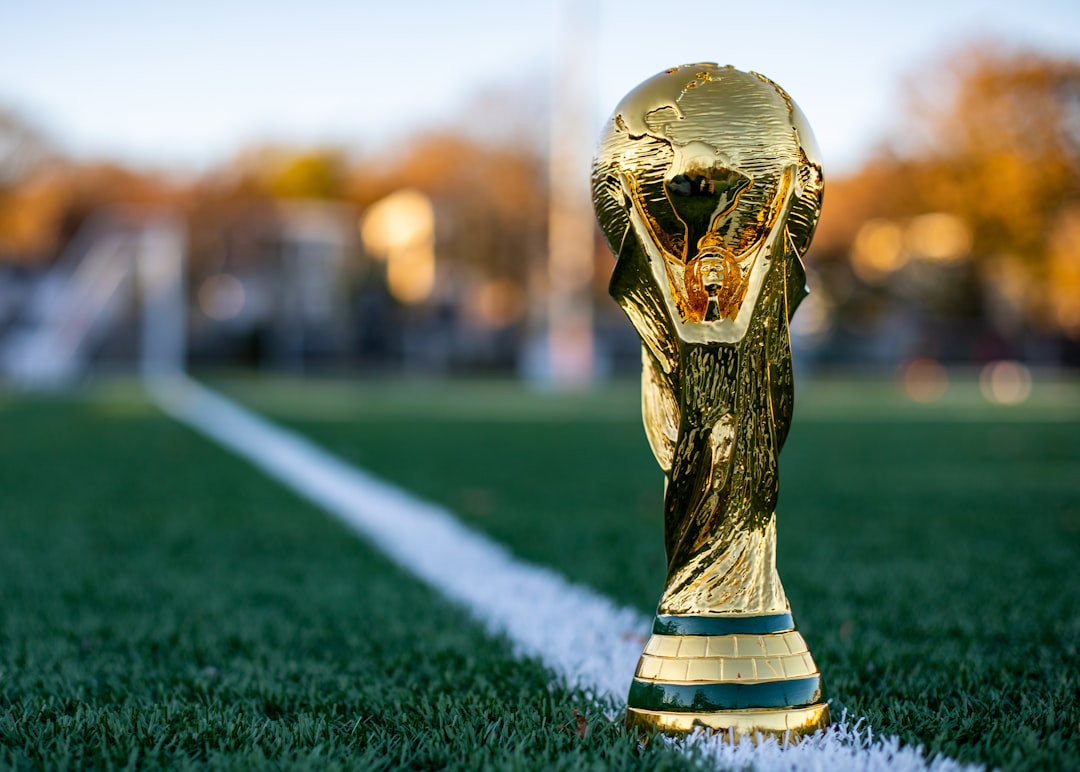
Global Context and the Balkan Perspective
The comparison between Argentina and Iceland offers valuable lessons for footballing nations in the Balkans. Countries like Serbia, Croatia, and Bosnia and Herzegovina have their own rich footballing traditions and have produced world-class talents. However, they also face challenges in maintaining consistency and maximizing their potential on the international stage. The Argentine model shows the importance of nurturing individual brilliance within a structured team framework, while the Icelandic model highlights the power of systemic investment and national cohesion.
Balkan football fans are particularly attuned to these dynamics because of their own experiences. The region has seen moments of great success, such as Croatia’s World Cup final in 2018 and Serbia’s consistent presence in major tournaments. Yet, there is often a gap between the quality of individual players and the collective performance of the national teams. Studying how Argentina integrates its star players and how Iceland builds a unified team culture can provide insights for Balkan football associations and coaches.
Furthermore, the global nature of football means that trends and tactics spread rapidly. Balkan clubs in the Premier League, La Liga, and other top leagues are exposed to different training methods and tactical approaches. This exchange of knowledge can help elevate the standard of play in domestic leagues like the Serbian SuperLiga, the Croatian First Football League, and the Romanian Liga I. The interest in "Argentina - Iceland" reflects a broader desire to understand and adopt best practices from around the world.
Looking ahead, both Argentina and Iceland will continue to be key participants in international football. Argentina will aim to defend its status as a top-tier nation, while Iceland will work to maintain its competitiveness in European qualifiers. For Balkan audiences, keeping an eye on these teams provides not only entertainment but also a deeper understanding of the evolving landscape of global football. The next major tournaments will offer further opportunities to observe how these different national models perform under pressure, making them essential subjects for fans and analysts alike.
Comments