


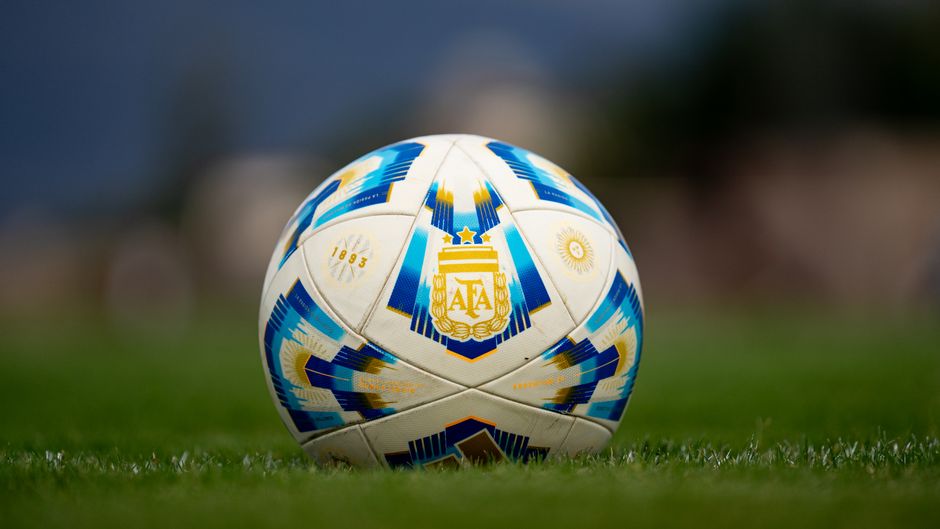
The football world is buzzing with anticipation as **Argentina** prepares to face **Iceland** in a highly anticipated match that has captured global attention. This clash between the reigning Copa América champions and the resilient Nordic side promises to be a tactical masterclass and a test of wills. For Balkan audiences, particularly in countries with passionate football cultures like Serbia, Croatia, and Bosnia, this match represents more than just a game; it is a showcase of two distinct footballing philosophies meeting on the international stage. The Argentine squad, led by the enduring brilliance of **Lionel Messi**, continues to demonstrate why they are considered one of the most formidable teams in world football. Meanwhile, Iceland, known for their disciplined organization and collective spirit, offers a stern challenge that could upset the expected outcome. The match is not just about national pride but also about tactical evolution, as both teams bring unique styles that have shaped modern football. The stakes are high, with both nations looking to assert their dominance and prove their status on the global football map.
The Rise of Icelandic Football and Their Tactical Identity
Iceland's journey in international football has been nothing short of remarkable. From a small nation with a population of just over 300,000, they have become a respected force in European and world football. Their historic run to the semi-finals of the **2016 European Championship** remains a testament to their organizational prowess and mental toughness. The team's success is built on a foundation of grassroots development, with a focus on youth academies and a national strategy that prioritizes technical skills and tactical awareness. Under the guidance of coaches like **Heimir Hallgrímsson** and **Lars Lagerbäck**, Iceland developed a system that emphasizes compact defending, quick transitions, and set-piece efficiency. This approach has allowed them to compete with much larger nations, earning respect from fans and pundits alike. Their ability to perform under pressure and maintain discipline in high-stakes matches is a hallmark of their identity. For Balkan fans, who appreciate tactical rigor and collective effort, Iceland's model offers a compelling case study in how smaller nations can punch above their weight.
The current Icelandic squad continues to build on this legacy, with a mix of experienced veterans and emerging talents. Players like **Gylfi Sigurðsson** and **Kolbeinn Sigþórsson** have been instrumental in providing creativity and goal-scoring threat from midfield. Their ability to control the tempo of the game and deliver precise passes is crucial in breaking down organized defenses. Defensively, Iceland relies on a solid backline led by **Kári Árnason** and **Hörður Björgvin Magnússon**, who combine physical strength with tactical intelligence. This balanced approach makes them a difficult opponent for any team, as they can absorb pressure and strike on the counter-attack. Their recent performances have shown a renewed hunger for success, with a determination to reach new heights in international competitions. The team's resilience and unity are key factors that make them a dangerous adversary, capable of causing upsets against more favored opponents.
Argentina's Dominance and the Messi Factor
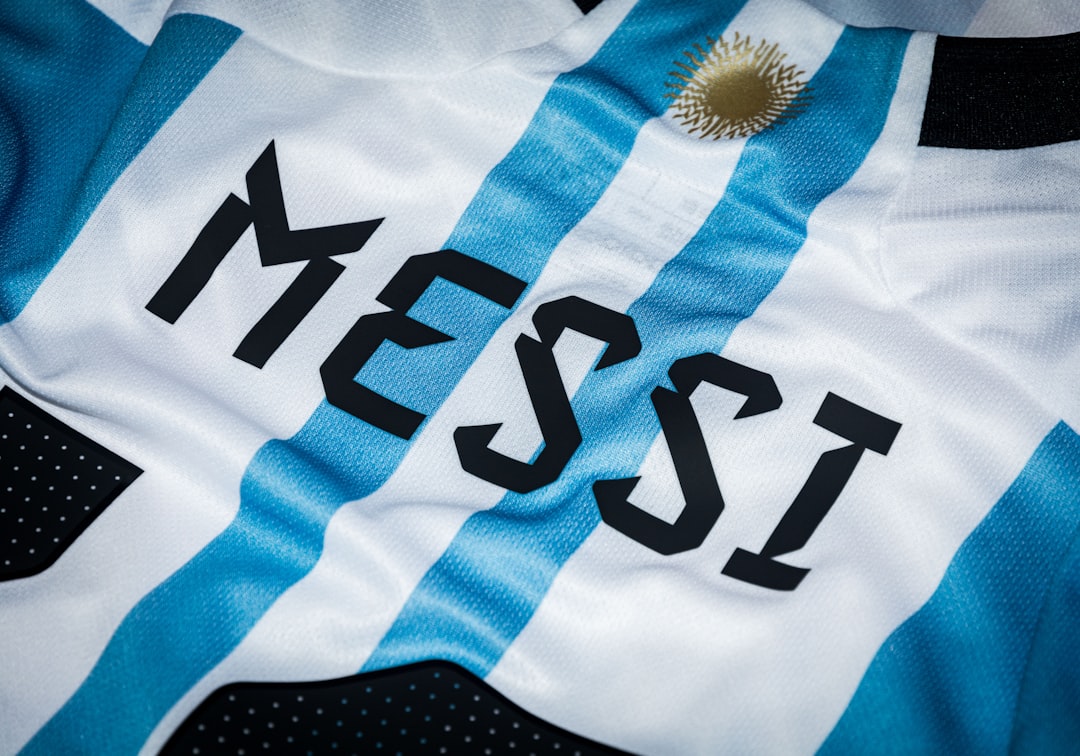
On the other side, **Argentina** enters this match as one of the most decorated teams in football history. Led by the legendary **Lionel Messi**, the Argentine national team has reached unprecedented levels of success, culminating in their **2022 FIFA World Cup** victory. Messi's influence on the team is unparalleled, with his vision, dribbling, and goal-scoring ability making him the focal point of their attack. His partnership with **Ángel Di María** and **Lautaro Martínez** has been instrumental in creating scoring opportunities and maintaining pressure on opponents. The Argentine squad is known for its technical excellence, with players who are skilled in ball retention and quick passing combinations. This style of play allows them to dominate possession and control the flow of the game, often overwhelming defenses with their creativity and precision.
Beyond Messi, Argentina boasts a deep and talented squad that can adapt to various tactical situations. Players like **Emiliano Martínez** in goal have proven to be game-changers, with their ability to make crucial saves and keep the team in the match. The midfield, featuring **Rodrigo De Paul** and **Enzo Fernández**, provides a perfect blend of energy, defensive solidity, and attacking support. This balance allows Argentina to maintain control of the game while also being resilient when facing counter-attacks. The team's mental strength is another key factor, as they have shown the ability to perform under pressure and deliver in high-stakes matches. For Balkan fans, who admire technical skill and tactical intelligence, Argentina's approach offers a glimpse into the future of modern football. The team's ability to combine individual brilliance with collective discipline makes them a formidable force on the international stage.
Balkan Perspective: Why This Match Matters
For fans in the Balkans, this match holds significant interest due to the region's deep-rooted passion for football and its appreciation for tactical nuance. Countries like **Serbia**, **Croatia**, and **Bosnia** have a rich footballing heritage, with a history of producing talented players and competitive teams. The clash between Argentina and Iceland offers a chance to observe two different approaches to the game, which can provide valuable insights for local coaches and players. The Icelandic model of collective organization and tactical discipline resonates with the Balkan tradition of hard work and teamwork. Meanwhile, Argentina's emphasis on individual skill and creativity appeals to the region's admiration for technical excellence. This match is not just about the outcome but also about the exchange of ideas and the evolution of footballing strategies.

Moreover, the presence of Balkan players in European leagues adds another layer of interest to this match. Players from Serbia, Croatia, and other Balkan countries often follow international matches closely, drawing inspiration from the tactics and performances of top teams. The match between Argentina and Iceland serves as a benchmark for what is possible in international football, showcasing how different styles can succeed on the global stage. For Balkan fans, it is a reminder of the importance of combining tactical discipline with individual brilliance, a formula that has been key to the success of many regional teams. The match also highlights the growing interconnectedness of world football, where ideas and strategies are shared across borders, enriching the game for everyone involved.
As the match approaches, fans around the world, including those in the Balkans, are eager to see how these two teams will fare against each other. The clash between Argentina's technical prowess and Iceland's tactical discipline promises to be a thrilling encounter that could shape the future of international football. Whether it is Messi's magic or Iceland's resilience that prevails, this match is sure to leave a lasting impression on fans and pundits alike. For Balkan audiences, it is a chance to witness the best of world football and draw inspiration for their own national teams. The outcome may determine more than just bragging rights; it could influence tactical trends and inspire a new generation of players in the region and beyond.

Comments