


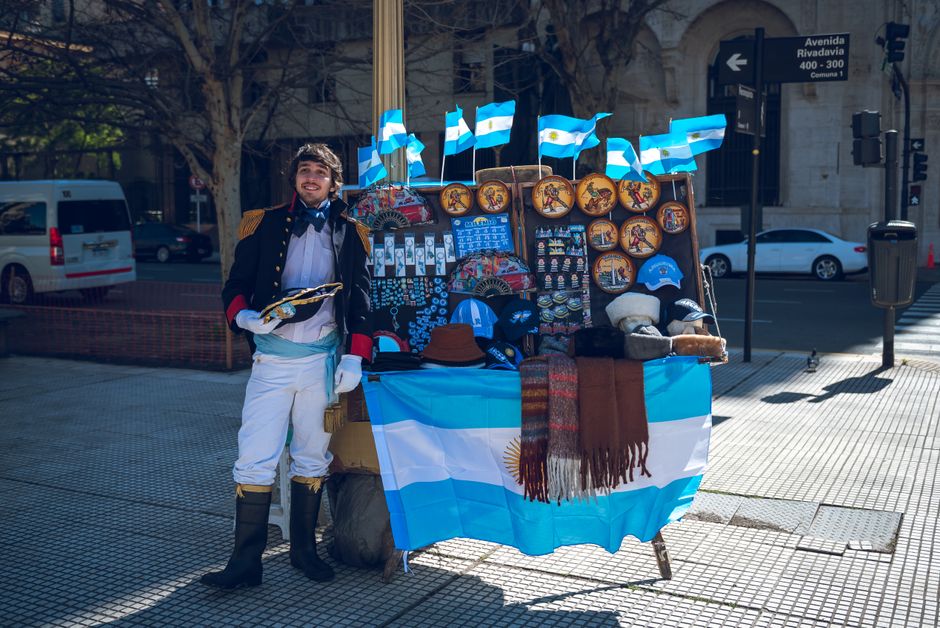
The 2026 FIFA World Cup has officially begun, and the defending champions have set the tone with a commanding performance. Argentina defeated Algeria in a high-stakes group stage encounter, showcasing the tactical discipline and individual brilliance that has defined their recent international success. The match, played in one of the host nations, drew global attention not only for the result but for the ongoing narrative surrounding Lionel Messi. As the tournament's marquee figure, Messi's participation adds a layer of historical significance to every kick, with fans and analysts alike watching to see if he can secure a third World Cup title, cementing his legacy as the greatest player of all time.
For the Balkan audience, the World Cup remains a cultural touchstone, transcending borders and languages. While neither Argentina nor Algeria is a Balkan nation, the tournament's global nature ensures intense local engagement. Balkan football fans, particularly in Serbia, Croatia, and Bosnia and Herzegovina, follow the tournament closely, often drawing parallels between the tactical evolution of South American football and the technical styles prevalent in European and Balkan leagues. The match against Algeria also highlighted the growing strength of African football, a region that shares deep historical and cultural ties with parts of the Balkans through migration and diaspora communities, making the contest resonate beyond just sports statistics.
Context: The Defending Champions and the North African Challenge
Argentina enters the 2026 tournament as the defending champion, having won the 2022 World Cup in Qatar in a dramatic final against France. That victory ended a 36-year title drought and solidified Messi's status on the world stage. However, defending a World Cup title is notoriously difficult, as seen with the struggles of previous holders like Italy and Spain. The Argentine squad, managed by Lionel Scaloni, has maintained a core of experienced players while integrating younger talents from European clubs. Their preparation has been focused on maintaining physical intensity and tactical flexibility, key factors in their previous success.
Algeria, on the other hand, has emerged as a formidable force in African football. Known as the Green Shirts, the Algerian national team has shown significant improvement in recent years, qualifying for the tournament with a series of impressive performances in the African Qualifiers. They possess a squad rich in technical ability and physical power, with many players featuring in top European leagues. Algeria's style of play, characterized by quick transitions and strong defensive organization, presents a unique challenge to any opponent. Their previous World Cup campaigns have shown their capability to upset higher-ranked teams, making them a dangerous adversary in the group stage.
The matchup between Argentina and Algeria represents a clash of styles and philosophies. Argentina's possession-based approach, built on short passing and movement, contrasts with Algeria's direct and dynamic style. This tactical battle is of particular interest to football analysts across the Balkans, where technical skill and tactical awareness are highly valued. The outcome of such matches often sets the stage for the broader narrative of the tournament, influencing group standings and momentum for the knockout stages.
Significance: Messi’s Pursuit of Unprecedented Glory
The primary focus of the match was Lionel Messi, who is now playing in his sixth World Cup, a record in itself. At this stage of his career, every tournament is viewed as a potential finale to his international career. The prospect of winning a third World Cup title would place him in an exclusive category, surpassing legends like Pelé and Johan Cruyff. This narrative drives much of the global interest in Argentina's matches, with fans eager to see if Messi can replicate the magic he displayed in Qatar. His performance against Algeria was closely scrutinized, with analysts noting his ability to control the tempo of the game and create scoring opportunities for his teammates.
Beyond the individual accolades, the match highlights the shifting dynamics of international football. The dominance of European teams has been challenged in recent years by the rise of South American and African nations. Argentina's victory reinforces the strength of South American football, while Algeria's competitive performance underscores the growing competitiveness of African teams. This shift has implications for the global football landscape, influencing transfer markets, coaching trends, and fan engagement. For Balkan audiences, who have a rich footballing heritage, these developments offer new perspectives on the global game and the evolving standards of international competition.
The match also serves as a reminder of the emotional weight carried by the players. For Messi, it is about legacy and personal achievement. For the Algerian players, it is about representing their nation on the world stage and proving their worth against top-tier opposition. These emotional stakes elevate the significance of the match beyond mere points and standings, creating a narrative that resonates with fans worldwide. The ability of these players to perform under pressure is a testament to their professionalism and dedication, qualities that are admired and respected by football enthusiasts across the Balkans and beyond.
Balkan Angle: Regional Interest and Football Culture
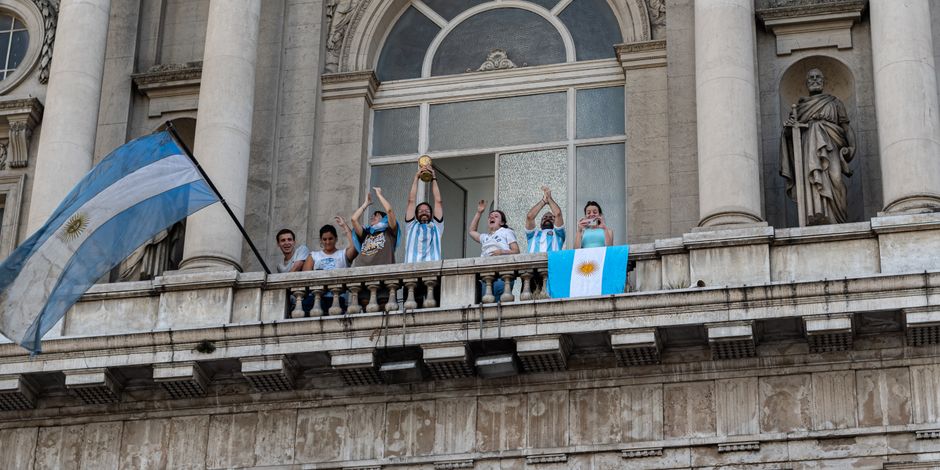
In the Balkans, football is more than a sport; it is a cultural phenomenon that shapes national identity and social interaction. The 2026 World Cup has generated widespread interest in the region, with fans gathering in public squares, cafes, and homes to watch the matches. Although neither Argentina nor Algeria is a Balkan nation, the global nature of the tournament ensures that every match is followed with keen interest. Balkan fans often draw comparisons between the playing styles of different nations, analyzing tactical approaches and player performances with a deep understanding of the game.
The Balkan region has produced many world-class players and coaches, contributing significantly to the global football landscape. Nations like Serbia, Croatia, and Bosnia and Herzegovina have strong footballing traditions and passionate fan bases. The success of Balkan players in top European leagues, such as Manchester City, Real Madrid, and Bayern Munich, has further elevated the region's profile in international football. The match between Argentina and Algeria provides an opportunity for Balkan fans to engage with the global game, discussing tactics, player performances, and the broader implications of the tournament.
Moreover, the Balkan diaspora in Argentina and Algeria adds another layer of interest to the match. Many Balkan immigrants have settled in South America and North Africa, creating cultural links that transcend national boundaries. These communities often follow the World Cup closely, supporting their new home nations while maintaining ties to their Balkan roots. This dual identity enriches the footballing experience, creating a diverse and vibrant fan culture that celebrates both local and global identities. The match between Argentina and Algeria, therefore, resonates with Balkan audiences on multiple levels, reflecting the interconnected nature of modern football.
What to Watch Next
As the 2026 World Cup progresses, all eyes will be on Argentina's next matches to see if they can maintain their momentum and advance to the knockout stages. The performance of Lionel Messi will remain a key focal point, with fans and analysts watching to see if he can continue his quest for a third World Cup title. For Algeria, the challenge will be to build on their competitive performance against Argentina and secure a place in the next round. The tournament promises more thrilling matches and unexpected outcomes, keeping fans engaged and excited.
Balkan audiences should also keep an eye on their own national teams as they navigate the tournament. The performance of Balkan players and teams will be closely followed, with fans eager to see how they fare against top-tier opposition. The global nature of the World Cup ensures that every match is significant, offering opportunities for underdogs to shine and established powers to prove their dominance. As the tournament unfolds, the stories of individual players and national teams will continue to captivate audiences worldwide, including those in the Balkans, who remain deeply invested in the beautiful game.

Comments