


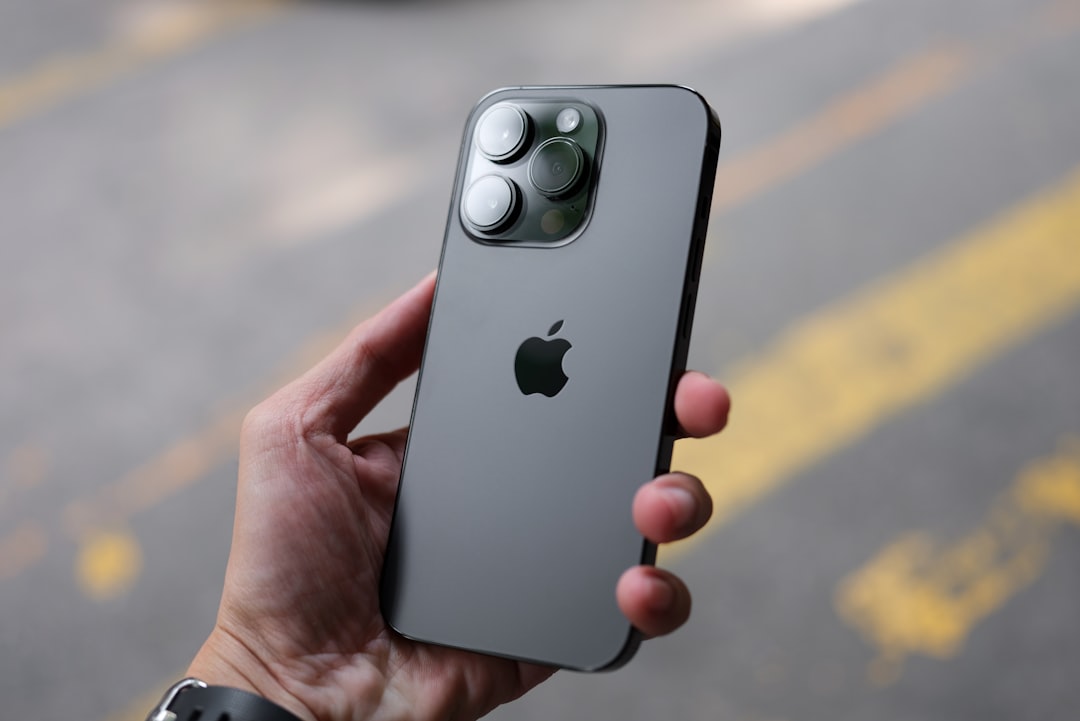
The upcoming **Apple iPhone 17 Pro Max** has emerged as a central topic of discussion in the global technology sector, with particular resonance in the Balkan region where smartphone adoption rates are among the highest in Europe. As Apple prepares to launch its next flagship device, the focus has shifted significantly from incremental hardware upgrades to deep **artificial intelligence integration**. The device is expected to feature a completely overhauled Siri, leveraging on-device processing to compete directly with rivals like Google and Microsoft. For consumers in countries such as Serbia, Croatia, and Romania, this shift represents a tangible change in how they interact with daily digital tasks, from banking apps to travel planning, while also raising questions about data privacy and local language support.
The Evolution of Siri and On-Device AI
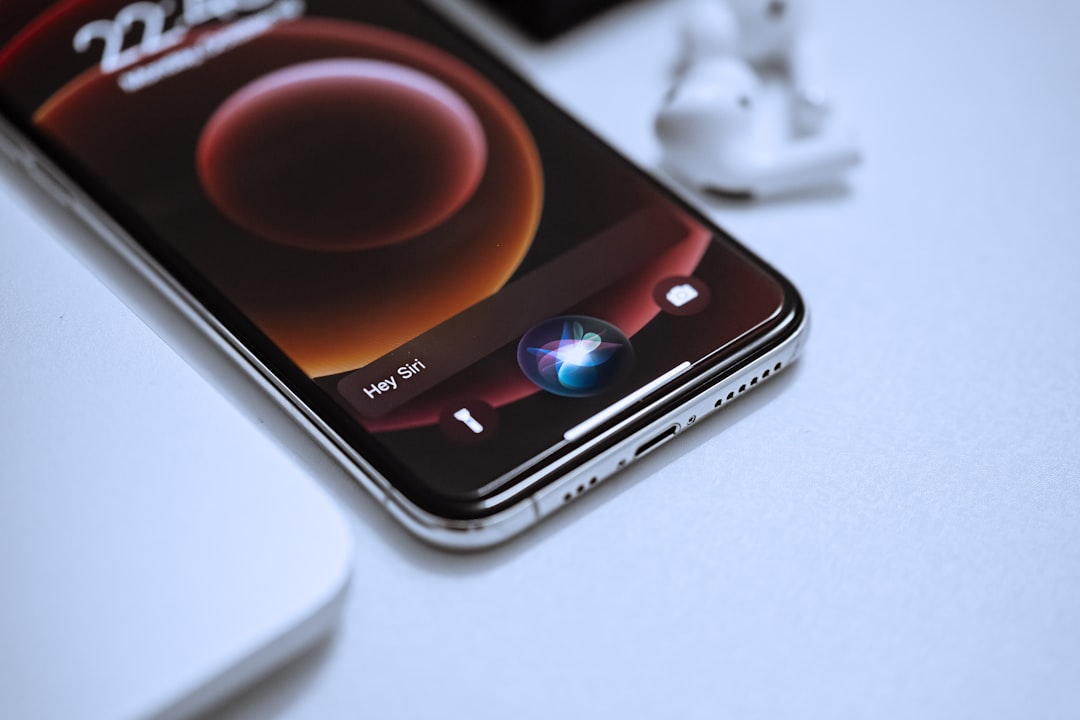
Apple's strategy for the iPhone 17 Pro Max centers on making Siri a viable competitor in the crowded AI assistant market. According to recent industry analysis, the new Siri will rely heavily on **on-device processing**, meaning much of the data analysis happens directly on the phone rather than in the cloud. This approach is designed to enhance privacy and speed, addressing long-standing criticisms of the assistant's responsiveness. The integration of Apple Intelligence, a suite of AI tools, aims to provide contextual awareness, allowing the phone to understand user habits and automate complex tasks. This marks a departure from the rigid, command-based interactions of previous years, moving toward a more conversational and predictive model.
For the tech ecosystem, this move signals Apple's attempt to close the gap with competitors who have already embedded generative AI into their core operating systems. The iPhone 17 Pro Max is rumored to include a specialized neural engine optimized for these AI workloads, ensuring that features like real-time translation, image generation, and smart text summarization run smoothly without draining the battery excessively. Analysts suggest that this hardware-software synergy could redefine the value proposition of flagship smartphones, shifting the focus from camera megapixels to intelligent utility. The success of this implementation will likely determine whether Apple can maintain its premium pricing power in an increasingly competitive market.
Hardware Innovations and Design Shifts
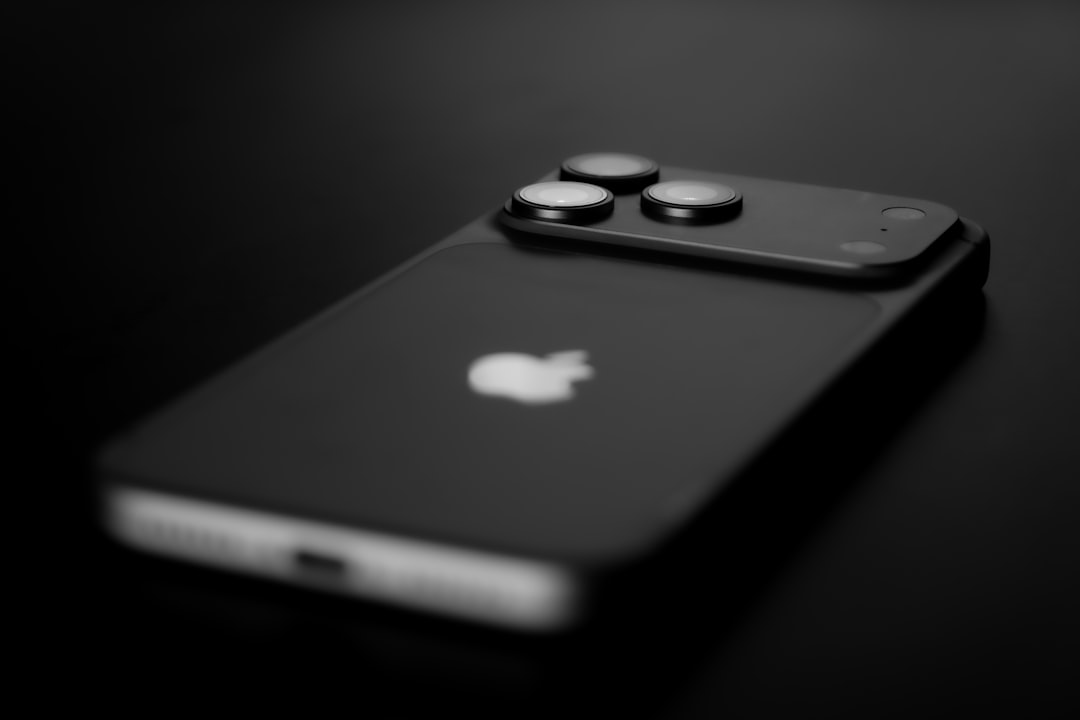
Beyond software, the iPhone 17 Pro Max is expected to introduce subtle but meaningful hardware changes. Reports indicate a move toward a **slimmer design** with reduced bezels, maximizing screen real estate while maintaining a compact form factor. The display technology is rumored to feature improved brightness and energy efficiency, crucial for outdoor use in the sunny climates of the Balkans. Additionally, the camera system is likely to receive upgrades focused on computational photography, leveraging AI to enhance low-light performance and video stabilization. These improvements aim to cater to both professional photographers and casual users who rely on their phones for content creation.
Another notable potential change is the introduction of a **titanium frame** across more models, previously reserved for the Pro series, or further refinements to the current titanium build for better durability and weight distribution. The device is also expected to support faster charging speeds, addressing a common pain point for users who spend long days away from power outlets. While Apple rarely makes drastic changes to the physical design, these incremental improvements are significant for users upgrading from older models. The emphasis on durability and battery life aligns with the growing demand for devices that can withstand heavy daily use without compromising on aesthetics.
The Balkan Market: Adoption and Economic Impact
The Balkan region represents a unique market for Apple, characterized by high brand loyalty and a significant share of premium smartphone sales. In countries like **Croatia** and **Slovenia**, which have higher GDP per capita, the iPhone 17 Pro Max is likely to see strong initial adoption. However, in markets such as **North Macedonia**, **Bosnia and Herzegovina**, and **Montenegro**, the high price point—often exacerbated by import taxes and VAT—means that sales are driven by aspirational consumption and the long resale value of Apple devices. The integration of advanced AI features may justify the premium for early adopters, but mass market penetration will depend on how these features translate to local languages and regional services.
Local language support is a critical factor for the success of AI-driven features in the Balkans. While English, German, and French are widely spoken, the ability of Siri to understand and process **Serbian**, **Bulgarian**, **Romanian**, and **Greek** accurately will determine its utility for the average user. Apple has historically been slower than Android competitors in adding full voice support for smaller European languages. If the iPhone 17 Pro Max includes robust AI capabilities for these languages, it could significantly boost its appeal. Conversely, if the AI features remain limited to major global languages, the device may struggle to differentiate itself beyond hardware specs, potentially slowing adoption in price-sensitive segments of the Balkan market.

Conclusion and Future Outlook
As the launch window for the iPhone 17 Pro Max approaches, the tech community and consumers alike are waiting to see how Apple balances innovation with practicality. The integration of AI is not just a marketing buzzword but a fundamental shift in how smartphones function, promising a more personalized and efficient user experience. For Balkan audiences, the key will be whether these global innovations are localized effectively to meet regional needs. The device's success will likely hinge on Apple's ability to deliver on its privacy promises while providing tangible benefits that justify the high cost. Watch for official announcements regarding language support and local carrier partnerships in the coming months, as these will be decisive factors for the device's performance in the diverse Balkan landscape.



Comments