



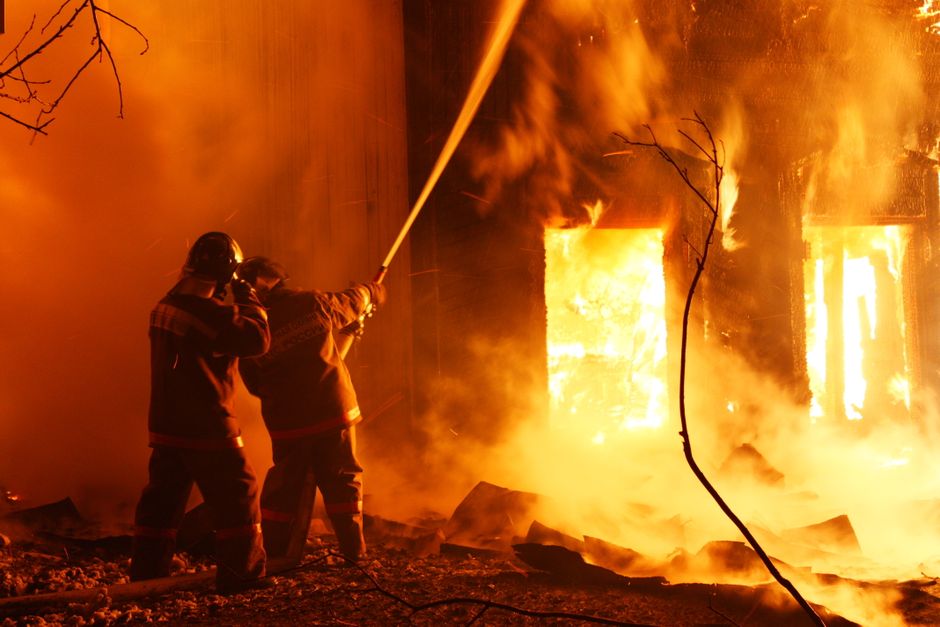
A powerful gas explosion rocked a residential apartment building in the Romanian city of Timisoara on Tuesday morning, sending shockwaves through the historic center and injuring three people. Emergency services were immediately dispatched to the scene on Strada Iancu de Hunedoara, where a fierce fire broke out immediately following the blast. The incident has raised urgent questions about gas safety regulations in older multi-story buildings across Romania, a concern that resonates deeply with audiences throughout the Balkans where similar infrastructure challenges exist.
The explosion occurred in a building constructed in the early 20th century, a period when gas installations were not subject to the rigorous safety standards seen today. Three residents suffered injuries, including burns and smoke inhalation, and were transported to local hospitals. While authorities have not yet confirmed the exact cause, initial reports suggest a gas leak may have ignited, triggering the blast. Dozens of other residents were evacuated as a precautionary measure while firefighters worked to contain the blaze.
Emergency Response and On-the-Ground Chaos
The scene at Strada Iancu de Hunedoara was one of controlled chaos as emergency responders arrived within minutes of the first call. Firefighters from the Timisoara Fire Department faced significant challenges due to the intensity of the flames and the structural damage caused by the initial explosion. Windows were blown out on the affected floor, and debris scattered across the street below, prompting traffic diversions in the immediate vicinity.
Local police cordoned off a large area around the building to ensure public safety and facilitate the work of rescue teams. Witnesses reported hearing a loud bang, followed by thick black smoke billowing from the upper floors. The rapid response of emergency services is credited with preventing further casualties. The three injured individuals were treated for varying degrees of severity, with authorities stating that none of the cases are life-threatening as of the latest updates.
Evacuation procedures were implemented swiftly for the remaining tenants. Over thirty residents were moved to safe locations nearby, with local authorities setting up a temporary aid point to provide water, blankets, and medical checks for those affected by the smoke and stress. The disruption has left many families without homes for the foreseeable future, highlighting the immediate human cost of such infrastructure failures.

Infrastructure Concerns Across the Balkans
This incident in Timisoara is not an isolated event but part of a broader pattern of gas-related accidents that have plagued several Balkan countries in recent years. Romania, like its neighbors Bulgaria, Serbia, and Greece, struggles with aging utility networks. Many residential buildings in these regions were constructed decades ago, often with substandard materials and outdated gas piping that is prone to leaks and corrosion.
Regulatory frameworks in the region vary, but enforcement remains a persistent challenge. In Romania, the National Authority for Energy Regulation (ANRE) oversees gas safety, but inspections are not always frequent or thorough enough to catch every potential hazard. Critics argue that more resources need to be directed toward modernizing these networks, especially in urban centers where population density increases the risk of mass casualties in the event of a disaster.
The Balkan region has seen similar tragic incidents. In 2023, a gas explosion in Sofia, Bulgaria resulted in fatalities, sparking nationwide protests and calls for stricter safety laws. Similarly, Belgrade and Athens have experienced periodic gas leaks and minor explosions, underscoring the shared vulnerability of the region’s housing stock. These events serve as stark reminders that infrastructure neglect can have deadly consequences, regardless of a country’s economic progress.
What Comes Next for Timisoara and the Region
In the wake of the Timisoara explosion, local officials have promised a thorough investigation to determine the root cause of the leak. The building’s gas supply has been cut off pending a full safety inspection. Residents are being advised to check their own gas connections and report any suspicious odors to utility providers immediately. The city council is also considering emergency subsidies to help affected tenants with temporary housing costs.
This incident is likely to reignite debates across the Balkans about the urgency of infrastructure modernization. As the region continues to integrate with broader European systems, the pressure is mounting on governments to upgrade utilities to meet EU safety standards. For the people of Timisoara, however, the immediate focus remains on recovery and healing. The scars of this explosion will take time to fade, but the lessons learned may help prevent future tragedies.
For Balkan audiences, this story is a sobering reminder of the importance of safety in daily life. Whether in Timisoara, Bucharest, or other regional capitals, the call for better maintenance and stricter enforcement of gas safety regulations is louder than ever. The coming weeks will be critical in determining how quickly authorities can act to protect citizens from similar dangers.



Comments