


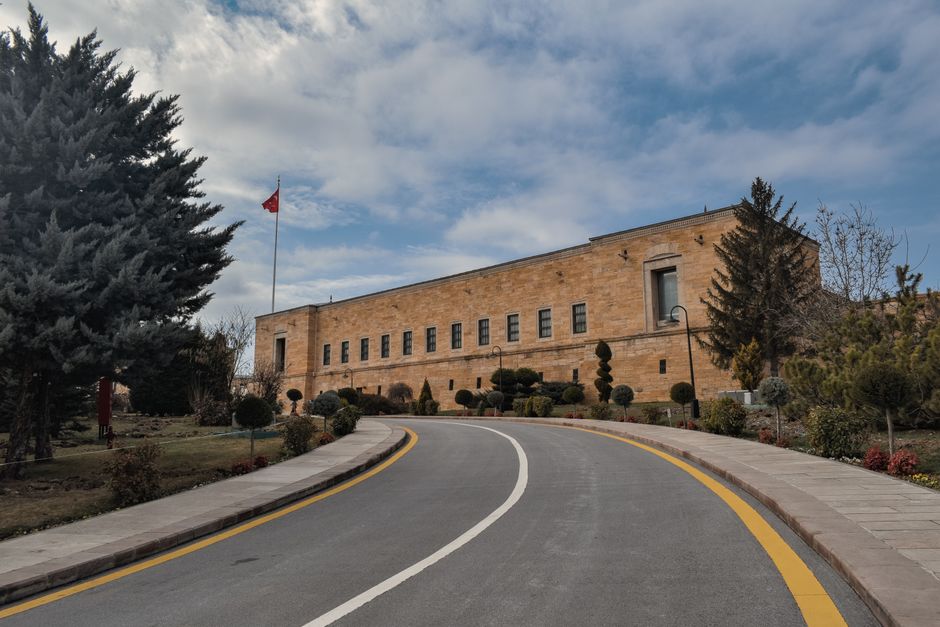
The long-awaited reopening of Ankara Esenboğa Airport marks a significant milestone for Turkey's capital and the broader Balkan region. After being closed for commercial passenger traffic for over two months, the airport officially resumed operations this week. The restart follows a comprehensive safety inspection and the successful landing of the presidential aircraft carrying President Recep Tayyip Erdoğan. This event signals the end of a period of uncertainty for travelers and businesses that rely on air connectivity to Turkey's political and administrative center, affecting routes popular with Balkan commuters and tourists alike.
Background of the Closure and Safety Concerns
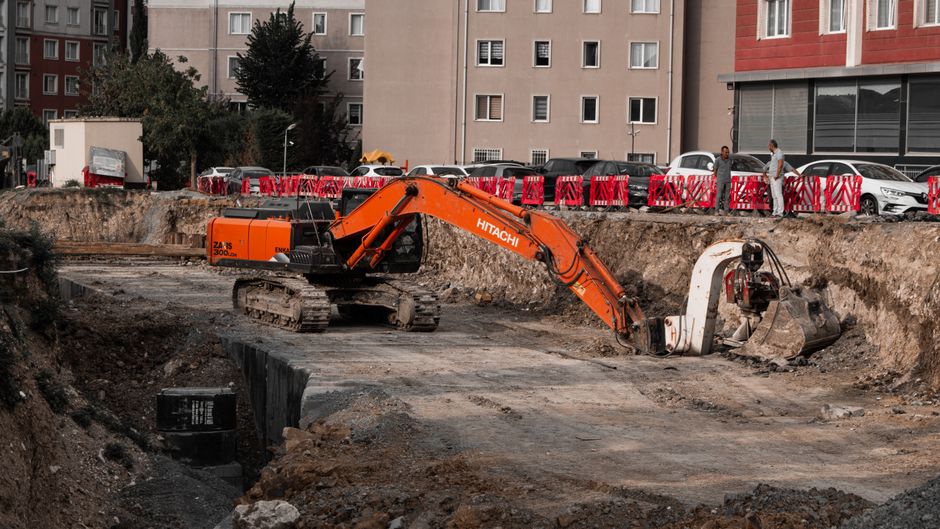
The closure of Esenboğa Airport began in May 2024 after reports emerged that an excavator had inadvertently damaged a runway during maintenance work. The incident raised immediate safety concerns, leading Turkish authorities to suspend all commercial flights to ensure the infrastructure met strict international aviation standards. For weeks, passengers were diverted to Istanbul Airport and Sabiha Gökçen Airport, causing significant logistical disruptions. The decision to close the facility was precautionary, aiming to prevent any potential risks to aircraft and passengers while engineers assessed the extent of the damage to the runway surface.
During the closure, the Turkish government emphasized that the integrity of the airport's operations was paramount. Engineers worked tirelessly to repair the runway, reinforcing the pavement and conducting rigorous tests to ensure it could withstand the weight and stress of heavy commercial aircraft. The process involved multiple stages of inspection, including load-bearing tests and surface smoothness evaluations. These efforts were closely monitored by civil aviation authorities to guarantee that the airport would be fully compliant with safety regulations before welcoming commercial traffic again.
The Presidential Landing and Official Reopening
The turning point in the reopening process came when the aircraft carrying President Recep Tayyip Erdoğan landed safely at Esenboğa Airport. This high-profile landing served as a critical test of the repaired runway's integrity. The successful touchdown and takeoff demonstrated that the airport was ready to handle commercial operations, providing a strong endorsement of the repair work. Following this event, the Directorate General of Civil Aviation confirmed that the airport met all necessary safety criteria, paving the way for the resumption of scheduled flights.
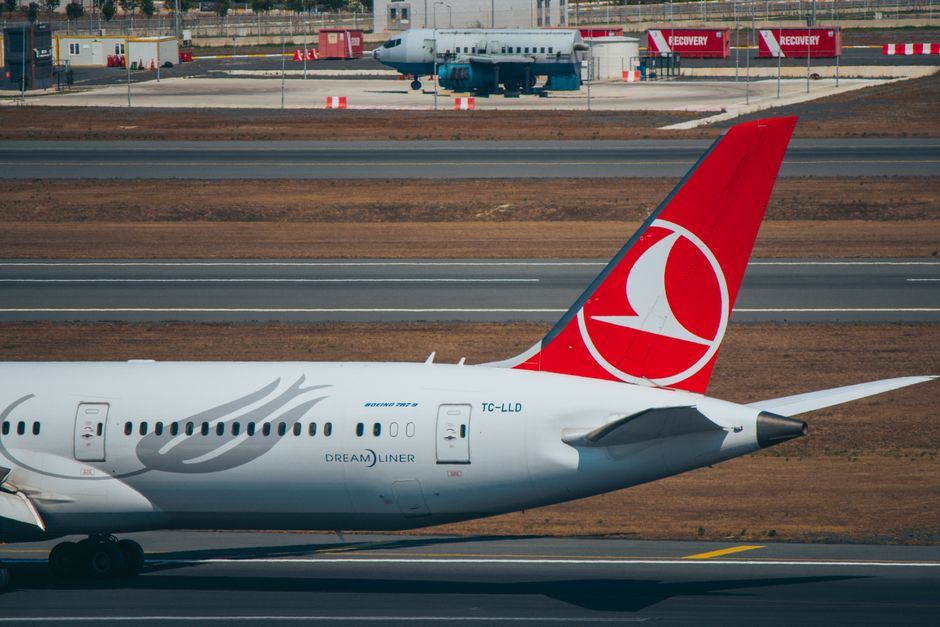
The announcement of the reopening was met with relief by airlines, passengers, and local businesses. Major carriers such as Turkish Airlines and Pegasus Airlines quickly began restoring their flight schedules to Ankara. The return of commercial flights is expected to alleviate the pressure on Istanbul's airports, which had absorbed the extra traffic during Esenboğa's closure. For travelers, this means more direct flight options and reduced travel times, particularly for those heading to Turkey's capital for business, government, or educational purposes.
Impact on Balkan Travelers and Regional Connectivity
The reopening of Esenboğa Airport has direct implications for travelers from the Balkans, including Greece, Bulgaria, Serbia, North Macedonia, and other neighboring countries. Ankara is a key transit hub and a destination for business travelers, students, and tourists from the region. The availability of direct flights from cities like Sofia, Belgrade, and Thessaloniki simplifies travel logistics and reduces costs compared to routing through Istanbul. For Balkan audiences, this restoration of connectivity is particularly important given the strong economic and cultural ties between Turkey and the region.
Balkan travelers who rely on Ankara for connections to other European or Asian destinations will also benefit from the airport's return to normal operations. The streamlined process at Esenboğa can reduce transit times and improve the overall travel experience. Additionally, the increased flight frequency may lead to more competitive pricing, making air travel more accessible for leisure tourists exploring Turkey's historical sites in and around the capital. The reopening thus strengthens regional integration and facilitates smoother movement of people and goods between the Balkans and Turkey.
The resumption of operations at Ankara Esenboğa Airport is a positive development for regional travel and commerce. As flight schedules stabilize, passengers should monitor airline websites for any remaining adjustments or delays. For Balkan audiences, the restored direct links to Turkey's capital offer greater convenience and flexibility for both business and leisure travel. The successful reopening underscores the importance of robust aviation infrastructure in maintaining regional connectivity, ensuring that travelers can move seamlessly across borders. With commercial flights now active, the focus shifts to optimizing service quality and capacity to meet the renewed demand from a diverse international clientele.

Comments