


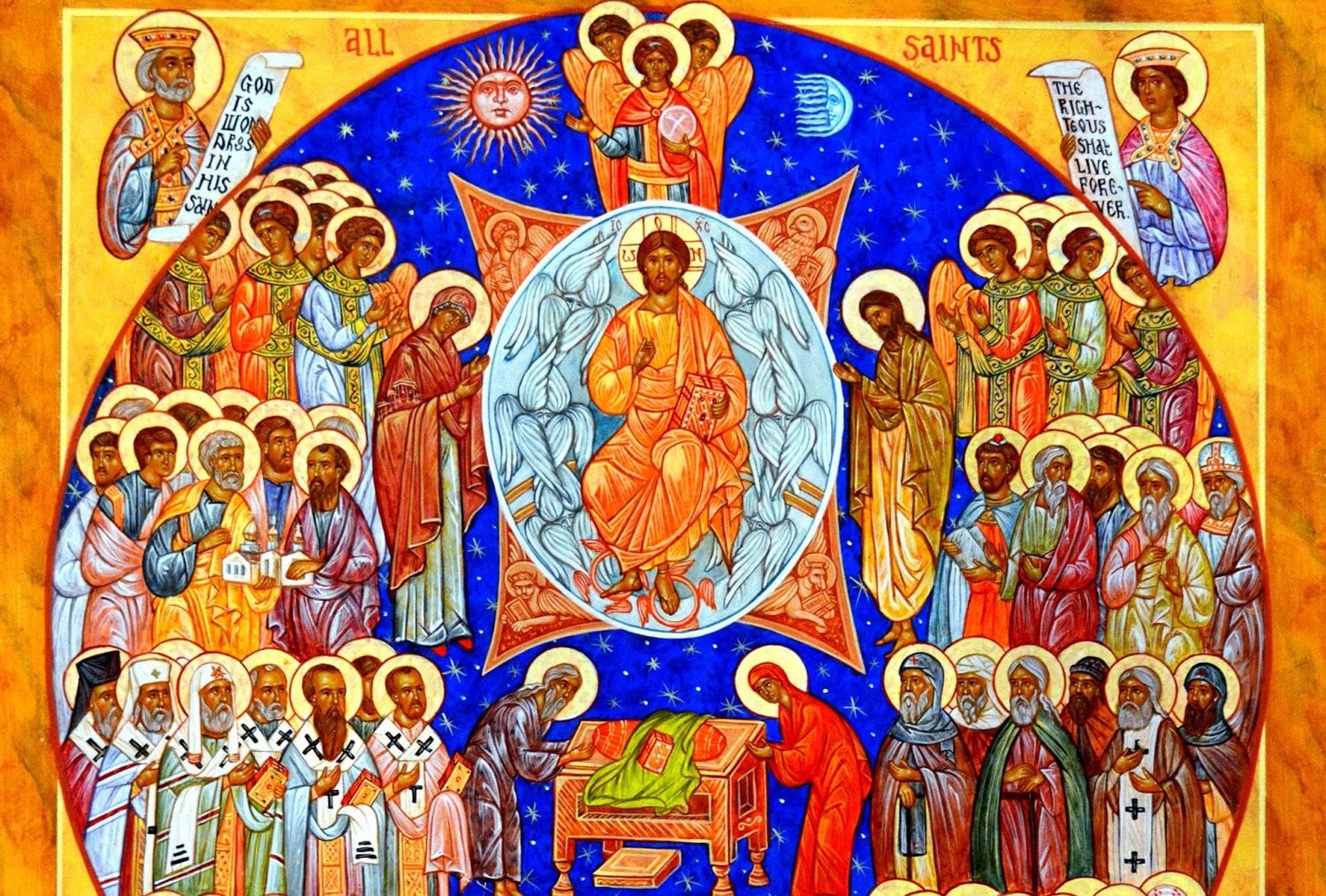
The Theological Foundation of the Feast
The Sunday following Pentecost holds a distinct place in the Orthodox liturgical calendar, dedicated to All Saints. This feast honors those who have attained holiness, encompassing both individuals known by name and those known only to God. The timing is deeply symbolic; the Descent of the Holy Spirit empowers believers to rise above their fallen nature and pursue sanctity, fulfilling the divine command to "be holy, for I am holy" (Leviticus 11:44, 1 Peter 1:16).
Historically, this celebration may have originated as a commemoration of all martyrs. Over time, the scope broadened to include all men and women who bore witness to Christ through virtuous living, regardless of whether they shed blood for their faith. The feast gained significant prominence during the ninth century, particularly under the reign of Byzantine Emperor Leo VI the Wise (886-911). His wife, Empress Theophano, exemplified the virtue of the "Righteous," living in the world without attachment to worldly things while generously supporting the poor and monastic communities.
Categories of Holiness
Orthodox tradition classifies saints into specific categories, reflecting their roles and contributions to the Church. St. Peter of Damascus originally outlined five groups: Apostles, Martyrs, Prophets, Hierarchs, and Monastic Saints. Later, St. Nicodemus of the Holy Mountain added a sixth category: the Righteous. This classification is echoed in the feast's hymnology, which calls for rejoicing for the "assembly of the Apostles, Prophets of the Lord, loyal choirs of the Martyrs, divine Hierarchs, Monastic Fathers, and the Righteous."
The order of these categories reflects their theological importance rather than strict chronology. The Apostles are listed first for spreading the Gospel globally. Martyrs follow, honored for their courage in the face of persecution, which inspired subsequent generations of believers. Although the Prophets preceded the Apostles historically, they are listed third because the New Testament fulfillment holds precedence over the Old Testament shadows.
Living the Holy Life
The remaining categories highlight diverse paths to sanctity. Hierarchs are recognized as spiritual leaders who guide their flocks through word and example. Monastic Saints withdrew from secular life not out of hatred for the world, but to devote themselves to unceasing prayer and spiritual warfare. St. John Climacus praised this vocation, stating, "Angels are a light for monks, and the monastic life is a light for all men."
Finally, the Righteous are those who achieved holiness while living ordinary lives within society. Examples include biblical figures like Abraham, Sarah, and Job, as well as saints such as St. Joseph the Betrothed and St. Juliana of Lazarevo. Some saints, known as Confessors, boldly professed their faith without being executed. Figures like St. Maximus the Confessor are often grouped with Martyrs due to the spiritual similarity of their witness. Together, these categories illustrate the multifaceted nature of Christian holiness.


fenerbahce were miles better this season tbh honestly didn't see that coming lol not convinced they can keep this up but we'll see...