



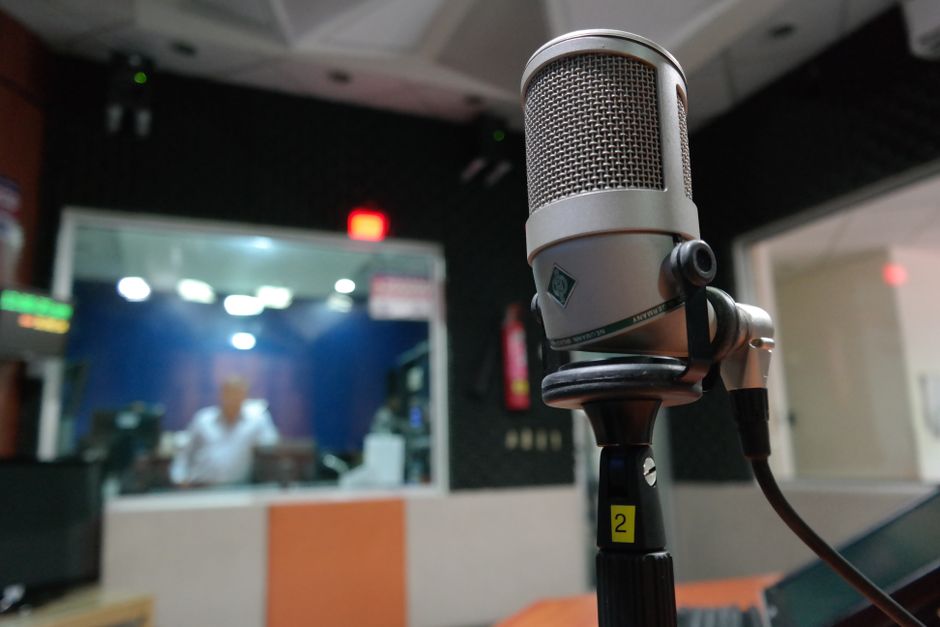
Serbian President Aleksandar Vučić is set to appear as the guest on Radio Beograd’s prominent interview program hosted by Bojana Bilbij, scheduled for Wednesday. The upcoming broadcast has generated significant attention across the Balkans, as it arrives at a critical juncture in Serbia’s domestic political landscape and its complex foreign policy balancing act. Vučić, who has held the presidency since 2017 and previously served as Prime Minister, is widely regarded as the central figure in Serbian politics, leading the Serbian Progressive Party (SNS). His appearances on national media are closely monitored for policy shifts, economic updates, and diplomatic stances, particularly regarding relations with the European Union, Russia, China, and the Kosovar authorities.
The interview format, known for its direct questioning and lengthy duration, offers a platform for the President to address pressing issues without the filter of press conference protocols. This specific appearance is notable because it follows a period of heightened public debate regarding inflation, energy prices, and the pace of EU accession negotiations. For audiences in Serbia and the wider Balkan region, Vučić’s remarks are often interpreted as indicators of future legislative moves or diplomatic pivots. The broadcast will be a focal point for political analysts, opposition groups, and civil society organizations who are closely tracking the government’s response to mounting economic pressures and social unrest.

The Political Context and Domestic Challenges
Serbia is currently navigating a delicate domestic environment characterized by economic volatility and political tension. President Vučić’s administration has faced criticism over rising living costs, with inflation rates impacting household budgets significantly across the country. The upcoming interview provides an opportunity for the President to outline the government’s strategy for stabilizing the economy and attracting foreign investment. Key topics are expected to include infrastructure projects, such as the construction of new highways and the Belgrade Waterfront development, which remain central to the SNS’s political narrative and campaign promises.
Furthermore, the political climate in Belgrade has been marked by protests and opposition demands for greater transparency and democratic reforms. Civil society groups have raised concerns about media freedom and the independence of judicial institutions. Vučić’s response to these challenges during the Radio Beograd appearance will be scrutinized for any signals of concession or continued hardline stance. The President’s ability to maintain social cohesion while pushing forward with his agenda is a primary concern for both domestic voters and international observers. The interview may also touch upon upcoming local elections, which are seen as a barometer of public sentiment toward the ruling party.
The role of the SNS in Serbian politics cannot be overstated, as it has dominated the political scene for nearly two decades. Vučić’s leadership style, often described as pragmatic and centralized, has allowed the party to maintain a strong grip on power despite growing opposition. However, the effectiveness of this approach is increasingly being tested by external pressures and internal dissent. The Wednesday broadcast will likely serve as a platform for Vučić to reinforce his message of stability and progress, contrasting it with the perceived chaos that opposition parties might bring to power. This narrative is crucial for the administration’s survival in the coming months.
Foreign Policy and Regional Implications
A significant portion of the anticipated discussion will likely revolve around Serbia’s foreign policy, particularly its stance on the Kosovo issue and its relationship with the European Union. The normalization of relations with Pristina remains a precondition for Serbia’s EU candidacy progress, a path that Vučić has repeatedly emphasized. However, recent tensions and failed dialogue rounds have complicated this trajectory. The President’s comments on the matter will be closely watched by EU officials and NATO allies, who are eager to see concrete steps toward reconciliation. Any shift in rhetoric could have immediate repercussions on the diplomatic front.
Simultaneously, Serbia maintains strong ties with Russia and China, a dual alignment that allows Vučić to navigate the geopolitical fallout of the war in Ukraine. While Serbia has voted in favor of EU sanctions against Russia, it has refrained from imposing them domestically, citing energy dependence and historical ties. This balancing act is a defining feature of Serbian foreign policy and a point of contention with Western partners. The interview may provide insights into how Vučić plans to sustain this equilibrium amidst increasing pressure from Brussels to align more closely with Western positions. The regional implications are significant, as Serbia’s stance influences the broader Balkan geopolitical landscape.
Relations with neighboring countries, including North Macedonia, Montenegro, and Bosnia and Herzegovina, are also likely to be discussed. Regional cooperation within the Western Balkans is essential for economic development and political stability, yet historical grievances and political differences often hinder progress. Vučić’s approach to regional integration, often framed within the context of the Berlin Process and other EU-led initiatives, will be evaluated for its effectiveness in fostering goodwill and collaboration. The President’s ability to manage these complex relationships is vital for Serbia’s long-term strategic goals and its eventual integration into European structures.
Significance for the Balkan Audience
For the broader Balkan audience, Vučić’s interview is more than a domestic political event; it is a window into the challenges facing the entire region. The issues of economic stability, democratic governance, and EU integration are shared concerns across Greece, Bulgaria, Romania, Croatia, and the former Yugoslav republics. Observers in these countries are interested in how Serbia’s largest and most influential state actor navigates these universal dilemmas. The outcomes of Vučić’s policies often serve as a reference point for political debates in neighboring states, where similar economic and political dynamics are at play.
Moreover, the media landscape in the Balkans is increasingly interconnected, with news from Belgrade rapidly spreading across regional platforms. The Radio Beograd interview, likely to be streamed online and discussed on social media, will reach audiences far beyond Serbia’s borders. This transnational reach amplifies the significance of Vučić’s statements, as they can influence public opinion and political discourse in other Balkan countries. The President’s ability to communicate effectively on a regional scale is a testament to the interconnectedness of the Balkan political sphere.
Looking ahead, the conclusions drawn from this interview will be pivotal for understanding the direction of Serbian politics in the coming year. Whether Vučić chooses to emphasize economic achievements, diplomatic breakthroughs, or domestic reforms will shape the narrative for the SNS and its opponents. For international audiences, the broadcast offers a rare glimpse into the decision-making process of a key Balkan leader. The coming weeks will be critical in determining whether the strategies outlined in the interview translate into tangible results or remain rhetorical exercises. The global community, particularly the EU, will be watching closely to assess Serbia’s commitment to its stated goals.

Comments