


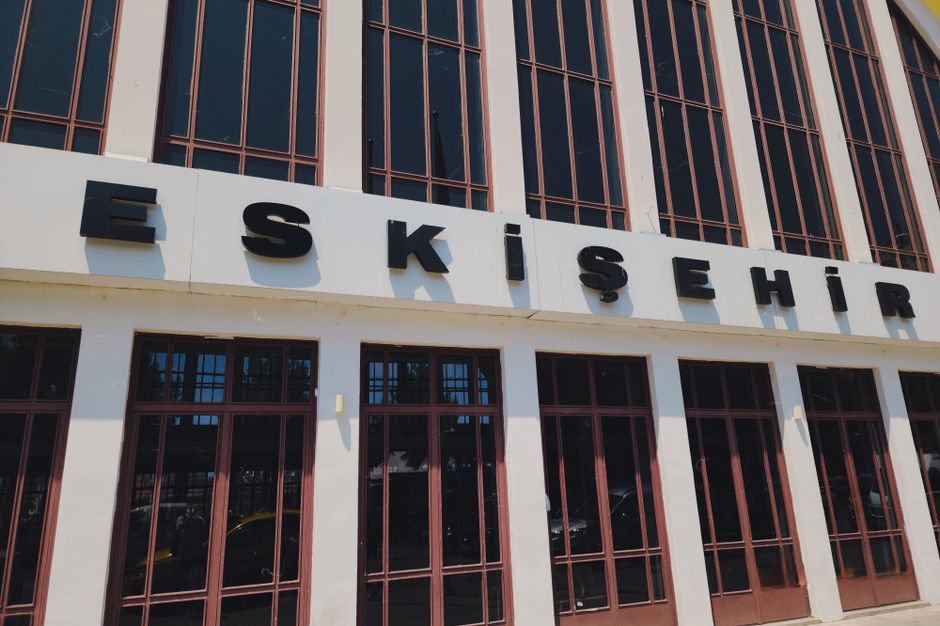
The landscape of Turkish football has shifted once again as **Akhisar Belediyespor**, a club with a rich 56-year history, officially announced its return to prominence by reverting to its traditional name and identity. This significant move marks the end of a period of rebranding and financial restructuring that had seen the team operate under a new moniker. The decision to restore the original name is not merely a cosmetic change; it represents a strategic effort to reconnect with the club’s loyal fanbase in Manisa province and reclaim the prestige associated with its previous TFF Süper Lig campaigns. For Balkan audiences familiar with the volatility of Turkish lower-division football, this revival signals a potential resurgence of a club that once competed with the giants of the league.
The announcement has sent ripples through the Turkish football community, particularly among supporters who view the club as a symbol of local pride. Akhisar, located in the Aegean region, has long been a stronghold for the team, which enjoyed a golden era under the stewardship of former owner Mustafa Uğurlu. The club’s previous success in reaching the top flight and competing in European qualifying rounds created a legacy that many feared was lost following financial difficulties. The return to the **Akhisar Belediyespor** name is seen as a bridge between the club’s historic achievements and its future ambitions, aiming to stabilize the institution and attract new investment while honoring its past.
Historical Context and the Era of Success
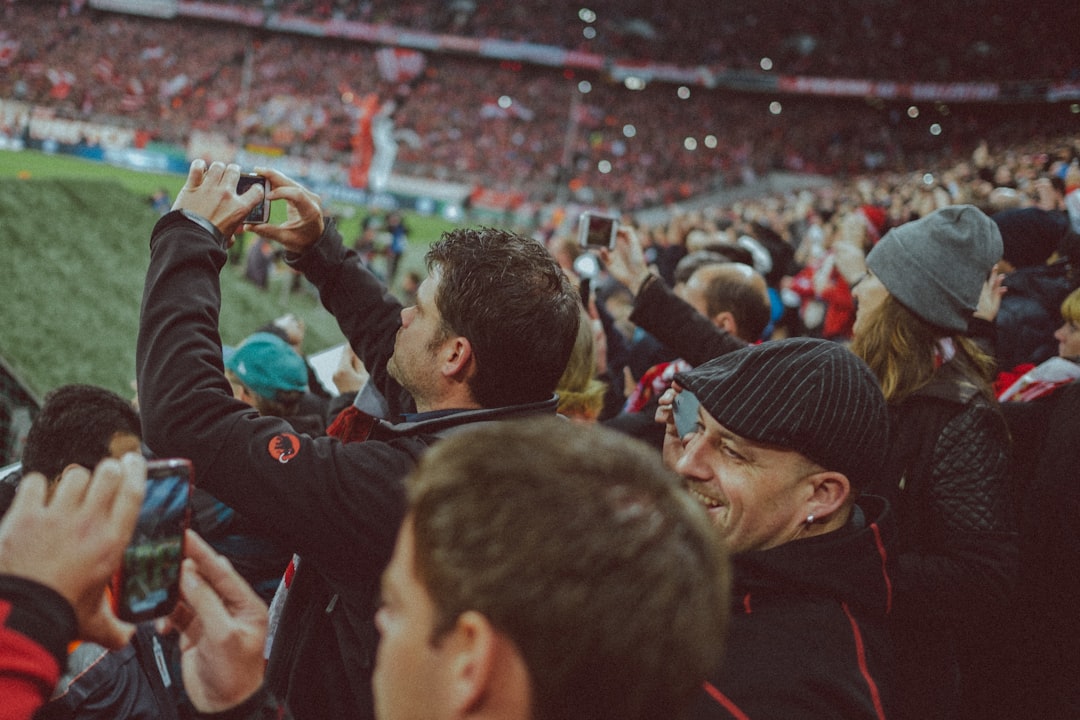
To understand the magnitude of this rebranding, one must look back at the club’s trajectory. Founded in 1968, the team spent decades climbing the Turkish football pyramid before achieving breakthrough success in the 2010s. Under the management of Mustafa Uğurlu, who served as both owner and mayor of Akhisar, the club was renamed Akhisar Belediyespor, reflecting the municipality’s heavy investment in the team. This era saw the club secure promotion to the Süper Lig and establish itself as a competitive force, drawing attention from across Europe. The club’s ability to develop young talent and recruit experienced players made it a formidable opponent, even against Istanbul-based giants like Galatasaray and Fenerbahçe.
The club’s most notable achievement came when it qualified for the UEFA Europa League, marking the first time a team from Akhisar participated in European competition. This milestone brought international attention to the region and solidified the club’s status as a rising power in Turkish football. However, the financial strain of maintaining a top-flight squad, combined with changes in local administration, led to a gradual decline. The team was eventually relegated and underwent a period of uncertainty, during which it adopted a new name to distance itself from the financial burdens of the past. The decision to revert to **Akhisar Belediyespor** is a deliberate attempt to recapture the spirit of that successful era.
Significance of the Rebranding and Future Ambitions
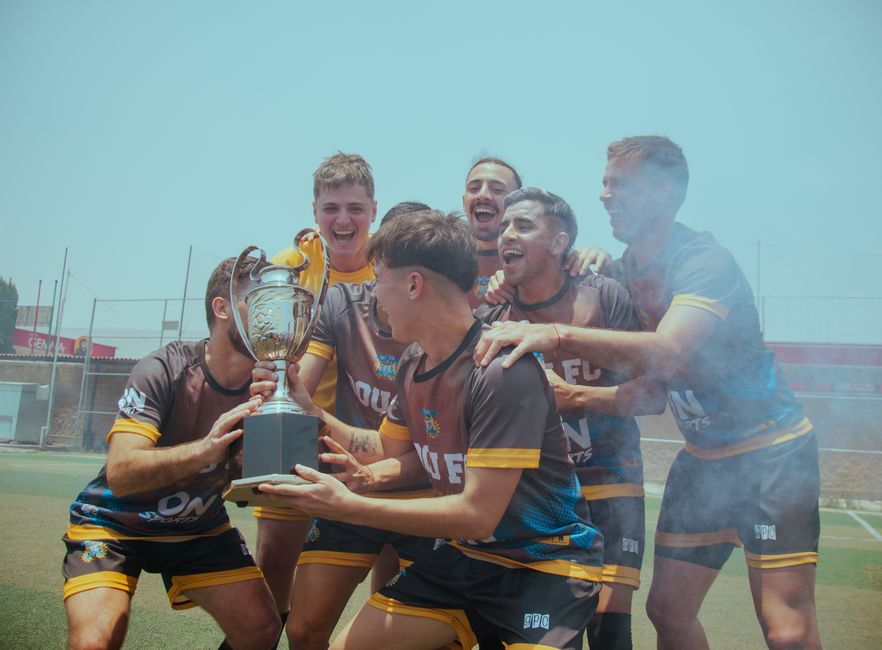
The return to the original name is more than a nostalgic gesture; it is a calculated move to rebuild the club’s brand equity. In the modern football landscape, identity plays a crucial role in attracting sponsors, fans, and players. By reinstating the **Akhisar Belediyespor** name, the club is signaling a commitment to stability and long-term growth. This rebranding is expected to boost ticket sales and merchandise revenue, as fans who had felt disconnected from the team during the rebranding phase are likely to re-engage. The club’s management has emphasized that this change is part of a broader strategy to improve infrastructure, youth development, and competitive performance.
Furthermore, the rebranding aligns with a broader trend in Turkish football where clubs are seeking to reconnect with their roots. Many teams have faced similar challenges, balancing financial sustainability with the need to maintain a strong local identity. Akhisar’s move serves as a case study for other clubs looking to revive their heritage while adapting to modern economic realities. The club’s leadership has outlined ambitious plans for the coming seasons, including a push for promotion back to the Süper Lig. This goal is not just about sporting success; it is about restoring the club’s place in the national conversation and proving that Akhisar remains a relevant footballing hub.
The Balkan Angle: Regional Football Connections
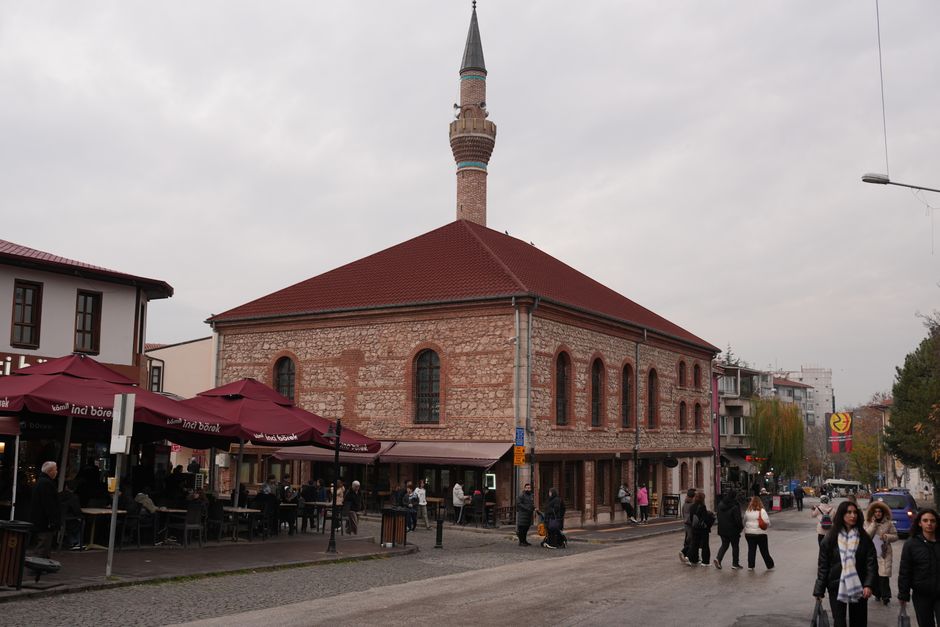
While Akhisar Belediyespor is a Turkish institution, its resurgence holds relevance for Balkan football fans and analysts. The Turkish Süper Lig and TFF 1. Lig have historically been destinations for Balkan players and coaches, creating a cross-cultural exchange that enriches the region’s football ecosystem. Clubs from Serbia, Croatia, and Bosnia have frequently sent talent to Turkey, where they can gain experience in a competitive league. Akhisar’s return to prominence may attract interest from Balkan agents and clubs looking for scouting opportunities or transfer targets. The club’s previous openness to foreign players makes it a potential landing spot for Balkan athletes seeking to break into Turkish football.
Additionally, the tactical and managerial trends in Turkish football often influence coaching strategies in the Balkans. As Akhisar Belediyespor rebuilds, it may hire coaches from the region, continuing the tradition of Balkan managers making an impact in Turkey. This reciprocal relationship benefits both sides, as Turkish clubs gain access to fresh tactical ideas, while Balkan professionals gain valuable experience in a high-profile league. For Balkan audiences, the story of Akhisar Belediyespor is a reminder of the interconnected nature of football in Southeast Europe, where club fortunes can shift rapidly, and opportunities for growth emerge from unexpected places.
As Akhisar Belediyespor embarks on this new chapter, all eyes will be on its performance in the TFF 1. Lig. The club’s ability to translate its renewed identity into on-pitch success will determine whether this revival is sustainable. Fans in the Balkans and beyond will watch closely, knowing that the resurrection of a historic club like Akhisar could reshape the competitive dynamics of Turkish football. The journey ahead will be challenging, but the passion of the supporters and the weight of history provide a strong foundation for what could be a remarkable comeback story.


Comments