


The Disaster and Emergency Management Authority (AFAD) has issued updated seismic bulletins following a series of tremors detected in the Eastern Mediterranean. The agency, which serves as Turkey’s primary disaster response body, confirmed that recent activity centers around fault lines extending into the Aegean Sea, a region that directly impacts not only Turkey but also neighboring Balkan nations including Greece and Bulgaria. This surge in geological monitoring has heightened alert levels for coastal cities across the region, prompting local governments to review emergency preparedness protocols.
The trend has gained significant traction on social media and news platforms as citizens in Istanbul, Thessaloniki, and Sofia seek clarity on the safety of their infrastructure. AFAD’s real-time data feeds have become a primary source of information for the public, highlighting the interconnected nature of seismic risks in the Balkans and the wider Mediterranean basin. The agency’s transparency in sharing data has been praised by international seismologists, who note that the Eastern Mediterranean remains one of the most seismically active zones in Europe.
Geological Context and Seismic Activity
The recent tremors are linked to the complex tectonic interactions between the African, Eurasian, and Arabian plates. The Eastern Mediterranean is home to several major fault systems, including the North Anatolian Fault and the Aegean Anatolian Fault Zone. These geological features are responsible for frequent seismic events, ranging from minor tremors to major earthquakes. AFAD’s monitoring stations have detected increased micro-seismicity in the region, which experts suggest may be a precursor to larger adjustments in the crustal stress.
Seismologists from the European-Mediterranean Seismological Centre (EMSC) have corroborated AFAD’s findings, noting that the energy release in the region has been consistent with historical patterns. However, the proximity of these faults to densely populated urban centers makes every event a matter of serious concern. The agency has emphasized that while most recent quakes have been below magnitude 5.0, the cumulative effect on older infrastructure remains a critical issue for urban planning authorities in Turkey and Greece.
Impact on the Balkan Region
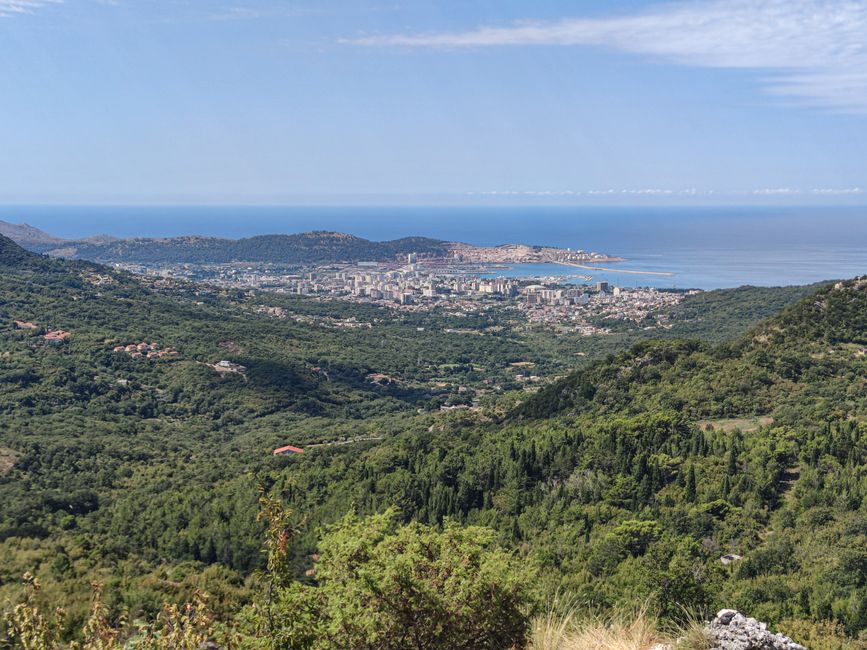
The implications of this seismic activity extend beyond Turkey’s borders into the Balkans. Greece, particularly its western coast and Aegean islands, shares the same tectonic vulnerabilities. The city of Thessaloniki, a major economic hub in northern Greece, lies close to active fault lines that have historically produced significant earthquakes. Bulgarian authorities have also increased monitoring along the Black Sea coast, where the Varna-Burgas seismic zone intersects with broader regional fault systems. Cross-border cooperation between AFAD and Balkan disaster management agencies has intensified, with shared data platforms becoming more common.
For citizens in the Balkans, this means a renewed focus on earthquake-resistant construction and emergency drills. Governments in Serbia, Romania, and Bulgaria are reviewing building codes in light of recent geological data. The European Union’s civil protection mechanism has also been activated to support regional preparedness efforts. This collaborative approach underscores the shared risk faced by the entire Balkan peninsula, where seismic hazards are a constant reality. The public’s engagement with AFAD’s updates reflects a growing awareness of these risks and a demand for transparent, science-based information.

Preparedness and Future Outlook
As the region braces for potential future events, AFAD continues to enhance its early warning systems and public education campaigns. The agency’s website and mobile applications provide real-time alerts, helping millions of users stay informed. International experts note that while earthquake prediction remains scientifically impossible, improved monitoring and rapid response capabilities can significantly reduce casualties and economic damage. The Balkan nations are leveraging these advancements to strengthen their resilience, investing in modernizing infrastructure and training emergency responders.
Looking ahead, the focus will remain on sustainable urban development and cross-border cooperation. The recent surge in seismic activity serves as a stark reminder of the geological forces shaping the region. For readers in the Balkans and beyond, staying informed through authoritative sources like AFAD and the EMSC is essential. The coming months will likely see further updates from seismological institutes, making it crucial for the public to heed official guidance and prepare for any eventualities. The resilience of the Balkan and Mediterranean communities depends on this continued vigilance and scientific collaboration.


Comments