


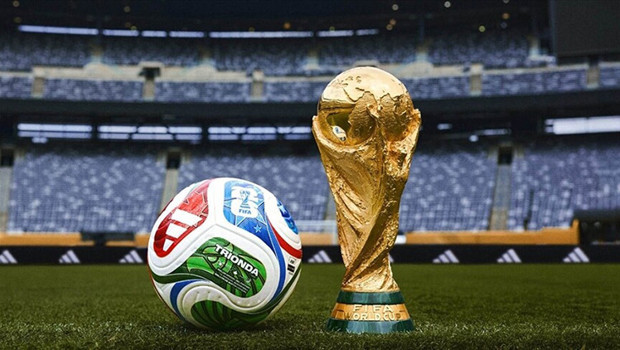
The stage is set for the most expansive spectacle in the history of the beautiful game. For the first time ever, the FIFA World Cup will not belong to a single nation, nor even a duo, but a triumvirate. The United States, Canada, and Mexico will join forces to host the 23rd edition of the tournament in 2026. This is not just an event; it is a continental takeover.
A Historic Triumvirate
Since the inaugural tournament in Uruguay in 1930, the World Cup has largely been a solo act. Of the previous 22 editions, 21 were hosted by a single country. The only exception came in 2002, when Japan and South Korea shared the honors—the first and only time two nations co-hosted. That Asian landmark saw Brazil defeat Germany 2-0 in the final, while Turkey finished third after a stunning upset over co-host South Korea. But 2026 dwarfs that precedent.
Now, North America prepares to host the world. The 2026 edition will span three countries, four time zones, and 16 cities. The logistical complexity is staggering, yet the ambition is undeniable. This is the first World Cup to feature 48 teams, expanding the field from the traditional 32. More teams mean more drama, more upsets, and more football history written on the pitch.
104 Matches, One Continent
The scale of the 2026 tournament is unprecedented. A total of 104 matches will be played across 16 different stadiums. From the bustling streets of New York to the historic grounds of Mexico City, the tournament will weave through the heart of North America. This expansion is not merely about adding games; it is about bringing the World Cup closer to fans across a vast geography.
The co-hosting model represents a new era of collaboration in international football. By sharing the burden and the glory, the USA, Canada, and Mexico are setting a new standard for global events. As the countdown begins, the question is no longer if this format will work, but how it will reshape the future of the World Cup. The 2026 edition promises to be a festival of football unlike any seen before.


fenerbahce gibi takımların bu kadar büyük turnuvada yer alması imkansız gibi ama dünya kupası artık çok farklı bir hale geldi tbh. 48 takım demek çok daha fazla sürpriz var anlamına gelir. acaba türkiye bu sefer daha ileri gidebilir mi?