


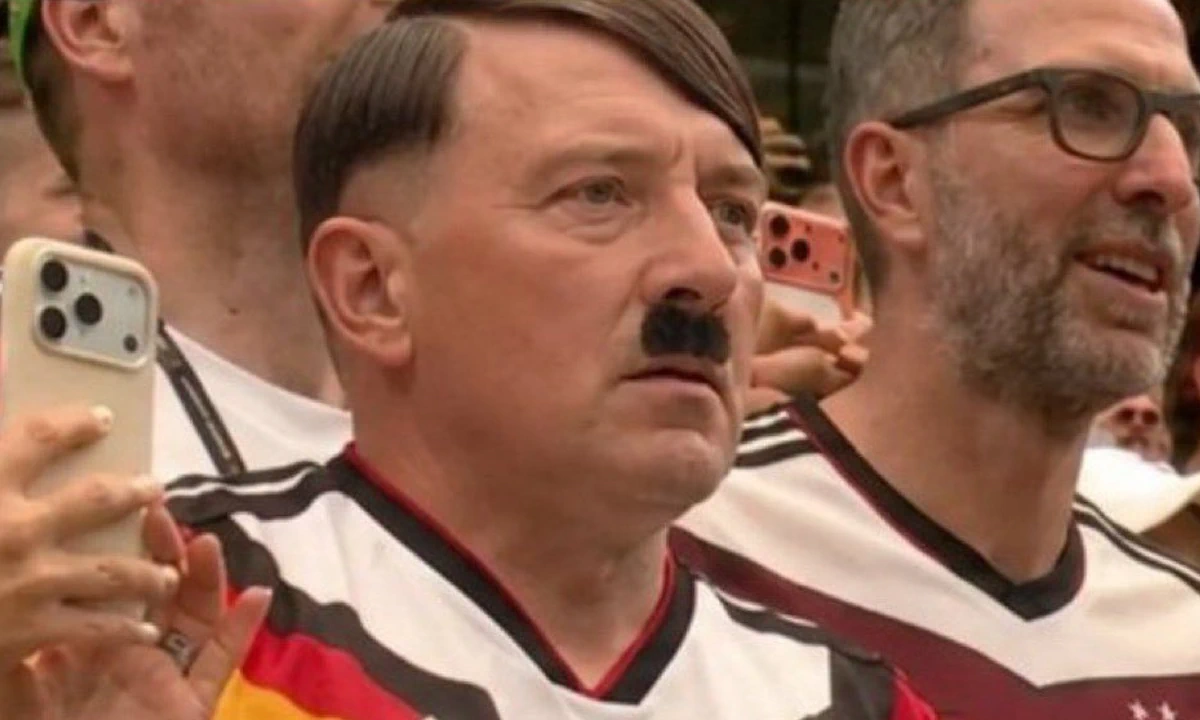
The World Cup is supposed to be a sterile, corporate-controlled spectacle. Every logo is vetted. Every commercial right is monetized. Yet, on Day 3 of the 2026 tournament, the most powerful image wasn't a goal or a trophy—it was a face in the stands that stopped the internet in its tracks.
The Meme That Broke the Internet
During Germany's opening match against Curacao, cameras caught a spectator sporting a slicked-back haircut and a toothbrush mustache that bore an uncanny, unsettling resemblance to Adolf Hitler. The image didn't just circulate; it exploded. Within minutes, the snapshot became a global meme, shared with a mix of shock, dark humor, and irony. Fans online couldn't help but ask: is this really the most "entertaining" World Cup in history?
The irony is palpable. The FIFA spends millions policing the pitch, banning unauthorized merchandise, and scrubbing the stadium of any unapproved branding. They control the pitch, the ads, and the broadcast feeds. But they cannot control the human chaos of the crowd. In a single frame, the system short-circuited. The most regulated sporting event on Earth was hijacked by a fan in the nosebleeds.
Control vs. Chaos
This incident highlights the fragile illusion of total control in modern sports. The World Cup aims for perfection, a sanitized product for global consumption. But football is messy. It is raw. It is unpredictable. No amount of corporate oversight can sanitize the human element. The Hitler lookalike wasn't just a joke; he was a reminder that despite the billions spent on image management, the crowd remains the wild card.
As the tournament continues, one thing is certain: the memes will outlast the matches. The goals will be forgotten, the stats will fade, but the image of the man in the stands? That is now etched into the lore of World Cup 2026. A stark reminder that in football, anything can happen—even the unthinkable, wearing a toothbrush mustache.

fenerbahce were miles better this season tbh honestly didn't see that coming lol