


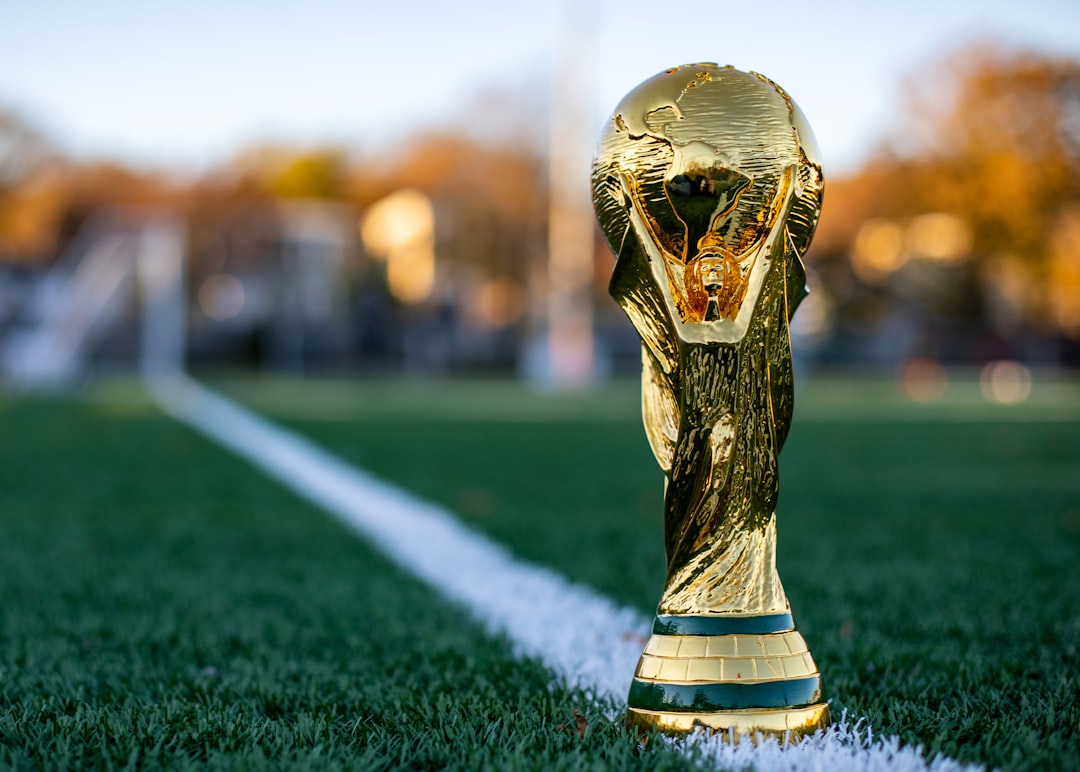
The countdown to the 2026 FIFA World Cup has entered its final, frenetic phase, transforming the global sporting landscape and heightening anticipation across the Balkans. With the tournament set to debut in North America, featuring a historic expansion to 48 teams, football fans in Greece, Serbia, Croatia, and beyond are watching with intense scrutiny. The recent surge in search interest surrounding the "world cup" reflects not just general excitement, but specific anxieties and hopes regarding the qualification status and form of regional powerhouses. As major nations like France and Brazil prepare for the stage, the Balkan countries are acutely aware that their path to the knockout stages will be narrower and more unpredictable than ever before.
The upcoming tournament represents a seismic shift in football logistics and strategy. The expansion from 32 to 48 teams means that the group stage will feature more games, but the margin for error in the early rounds remains critical for nations relying on a single strong squad. For Balkan audiences, the relevance is immediate: the UEFA qualification process has already tested the resilience of regional federations. The current trending searches indicate a growing public interest in how these teams will adapt to a format that demands deeper squad rotation and tactical flexibility. The stage is set for a tournament where traditional hierarchies may be challenged by the sheer volume of participating nations.
The Expanded Format and Its Strategic Implications
The decision to expand the FIFA World Cup to 48 teams is fundamentally altering the mathematical and tactical approach to the tournament. Previously, finishing third in a group was a definitive exit; now, it offers a pathway to the Round of 32. This change has significant implications for Balkan nations, which often possess high-quality technical players but sometimes lack the depth to dominate every group stage match. The new structure allows for a more forgiving entry into the knockout phases, provided a team can secure enough points in a three-match group. However, it also increases the total number of matches, placing a heavier physical burden on squads that may not have the luxury of large, rotating benches like wealthier European giants.
Strategic planning for the 2026 edition is already underway for national federations. The UEFA has emphasized the need for robust preparation, noting that the expanded format requires a different mindset. For countries like Serbia and Croatia, this means balancing the development of youth talents with the retention of experienced veterans who can navigate the unpredictability of a larger field. The increased number of slots allocated to UEFA means that more Balkan teams could potentially qualify, but it also means more competition within the confederation. The margin for error is shrinking, even as the door is technically wider open.
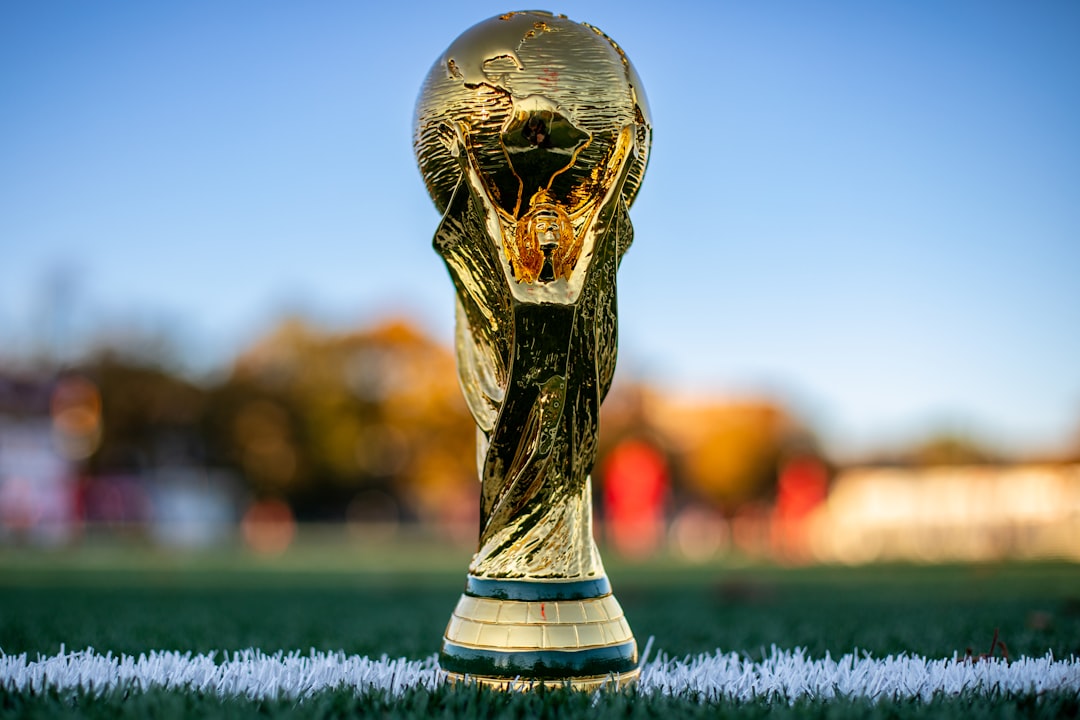
Balkan Powerhouses: Croatia, Serbia, and Greece on the Brink
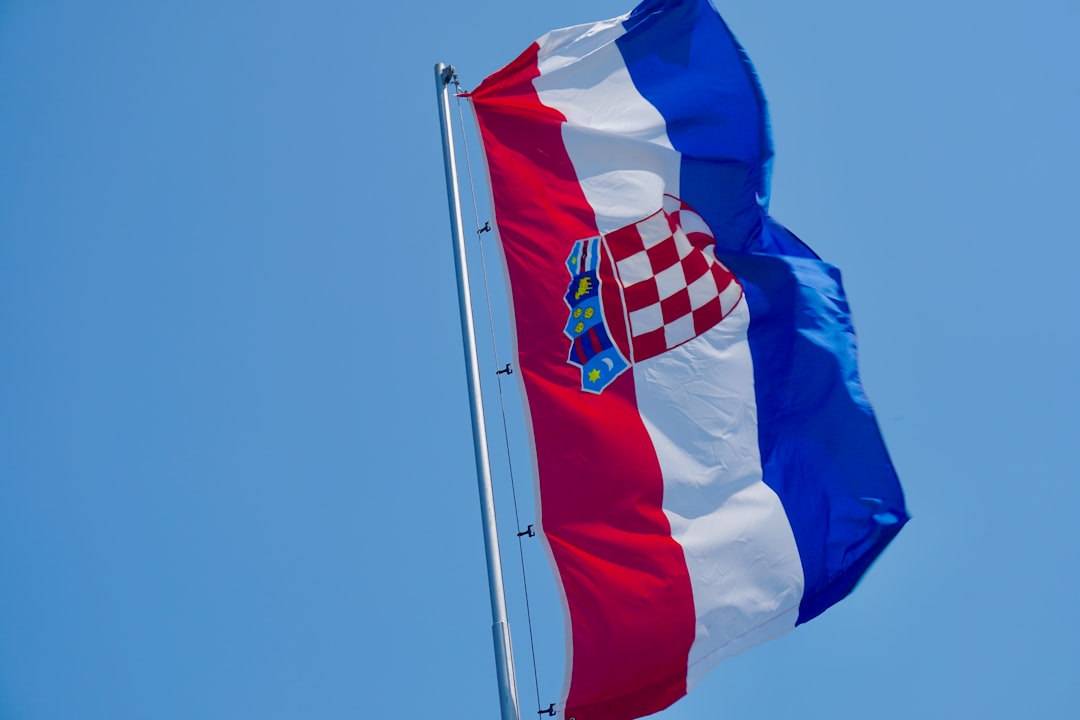
Croatia remains the standout hope for Balkan football, building on their historic 2018 World Cup Final appearance and 2022 semi-final run. The Croatian national team, led by the enduring influence of players like Luka Modrić, represents the pinnacle of regional football. Their ability to compete with the world's best on a tactical level is well-documented. However, the aging core of the squad poses a significant challenge for 2026. The transition period is critical, and the recent form of younger players will determine whether Croatia can maintain its status as a top-tier contender. The public interest in Croatia's preparations is at an all-time high, reflecting the nation's deep emotional investment in the team's continued success.
Serbia, with a rich history of producing world-class talent, is also positioning itself for a strong showing. The Serbian national team has consistently reached the latter stages of major tournaments, demonstrating a blend of physicality and technical skill. The current squad features a mix of experienced internationals and promising young athletes, making them a dangerous opponent for any team. The Serbian Football Association has been proactive in developing youth structures, aiming to ensure a sustainable pipeline of talent for the 2026 cycle. For Serbian fans, the World Cup is a source of national pride, and the expectation is that the team will challenge for the top spots.
Greece, while not always a guaranteed favorite, possesses the organizational discipline and defensive resilience to cause upsets. The Greek national team has shown improvement in recent years, with a focus on building a cohesive unit that can compete with stronger opponents. The upcoming tournament will test their ability to adapt to the expanded format, where a single mistake can have far-reaching consequences. The interest in Greece's prospects is growing, driven by the hope that a well-organized campaign can yield unexpected results. The Balkan angle is clear: these nations are not just participants; they are contenders with the potential to shape the narrative of the 2026 World Cup.
Global Context and the Road to North America
The 2026 World Cup will be hosted jointly by the United States, Canada, and Mexico, marking the first time the tournament will be held in North America. This geographic shift introduces new logistical challenges for Balkan teams, including long travel distances and potential jet lag. The official FIFA preparations highlight the scale of the event, with 16 host cities across the three countries. For Balkan fans, the time zone differences will make watching live matches more convenient during the European winter, potentially boosting viewership and engagement. The global nature of the event ensures that the Balkan teams will be under a microscope, with every performance analyzed by a worldwide audience.
The financial implications of the expanded World Cup are also significant. Increased broadcasting rights and commercial partnerships mean that national federations can invest more in player development and infrastructure. For Balkan countries, this presents an opportunity to bridge the gap with wealthier European nations. The FIFA has committed to supporting smaller federations, ensuring that the benefits of the expanded tournament are distributed more equitably. This financial boost could have a lasting impact on the quality of football in the Balkans, fostering a new generation of players who can compete at the highest level.
As the tournament approaches, the focus shifts from qualification to preparation. The Balkan nations are aware that the path to success will be fraught with challenges, but the potential rewards are immense. The 2026 World Cup is not just a sporting event; it is a cultural phenomenon that brings communities together. For Greece, Serbia, Croatia, and their neighbors, the stakes are high, and the passion is palpable. The world is watching, and the Balkans are ready to make their mark on the global stage.
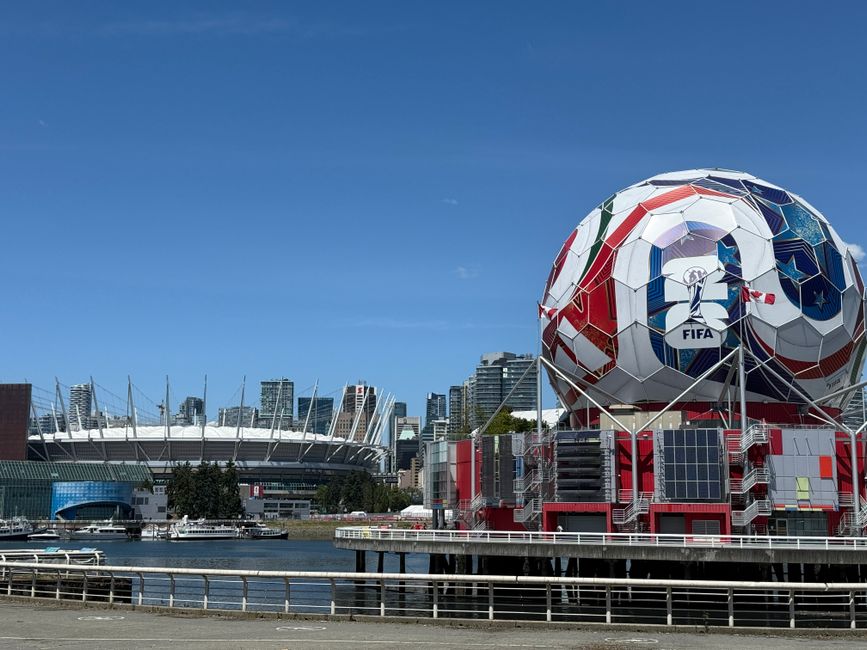
The final months leading up to the 2026 FIFA World Cup will be defined by intense preparation and strategic maneuvering. Balkan fans should monitor the fitness levels of key players, the tactical adjustments made by national coaches, and the outcomes of friendly matches that will serve as crucial indicators of form. The expanded format offers new opportunities, but it also demands a higher level of consistency and depth. As the global football community turns its attention to North America, the Balkan nations stand poised to deliver a performance that reflects their rich footballing heritage. The tournament will be a testament to the resilience and talent of these countries, and the world will be watching to see who emerges victorious.


Comments