


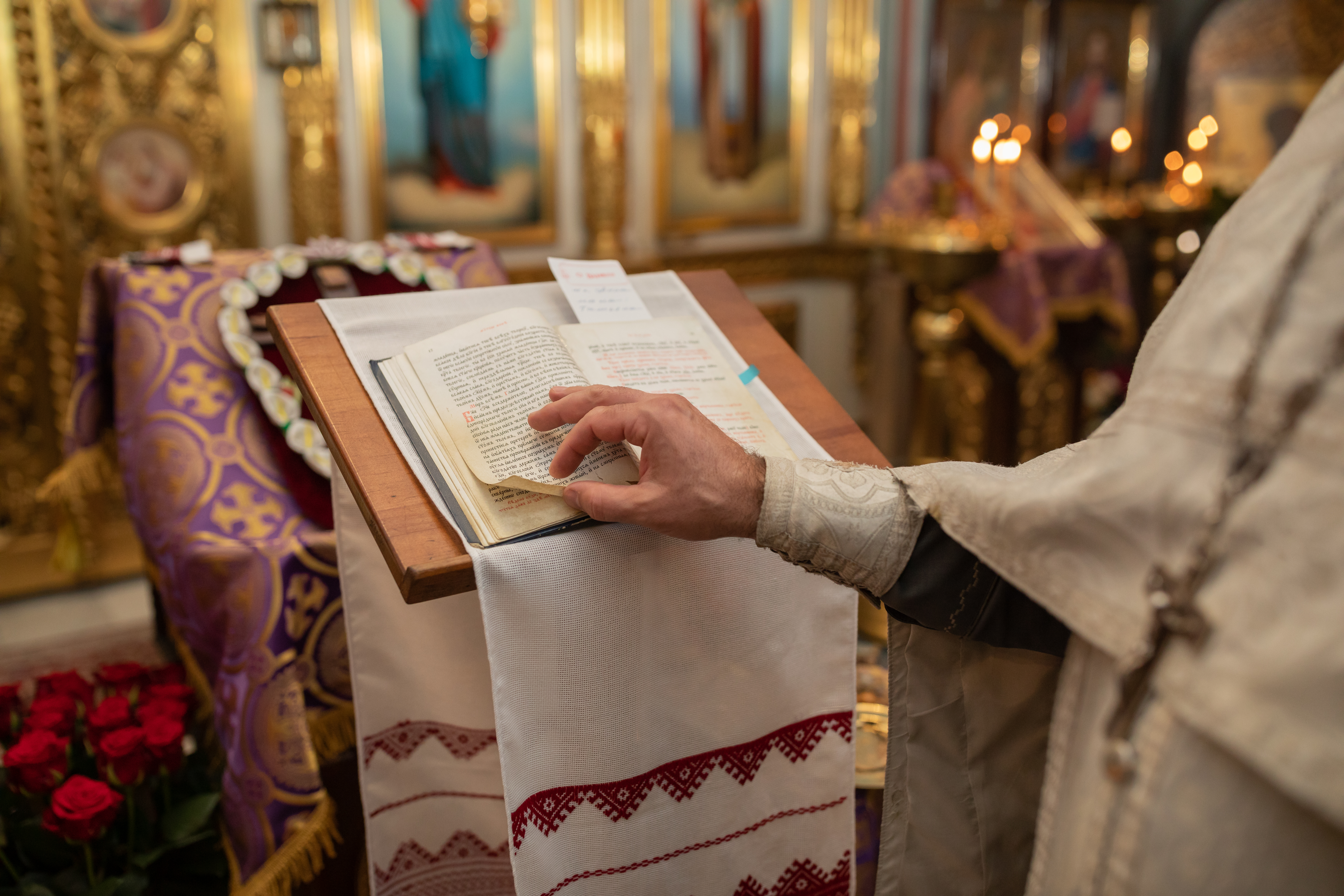
Each year on May 21, Orthodox Christians celebrate St. Constantine and Helen, an important holiday marked by a red cross on the Christian calendar. The day is dedicated to prayer, participation in religious services, and the remembrance of the two figures' essential roles in spreading and consolidating Christianity. In popular tradition, the holiday is accompanied by numerous customs, superstitions, and prohibitions passed down through generations in various parts of the country.
Religious and Historical Significance of St. Constantine and Helen's Celebration
The celebration on May 21 is associated with one of the most important periods in the history of Christianity, marking the transition from times of religious persecution to the official recognition of the Christian faith. At the same time, it is linked to the process by which Christianity began to organize and develop institutionally, profoundly influencing the subsequent evolution of the Church.
“Beyond its historical component, May 2#21 symbolizes the affirmation of spiritual values and the expansion of Christian faith in European space, considered an important date for religious and social transformations in late antiquity,” explained Father Marius Oblu to Digi24.ro.
Superstitions and Prohibitions on St. Constantine and Helen's Day
On this day, numerous superstitions and prohibitions are observed, passed down through generations. These include avoiding certain activities, such as planting trees or beginning new projects. The day is also marked by the belief that engaging in specific activities can bring bad luck or misfortune.



This holiday is a perfect blend of religious significance and cultural superstitions. But does anyone really think planting a tree on this day will bring bad luck? Let's celebrate the real legacy of Constantine and Helen!