


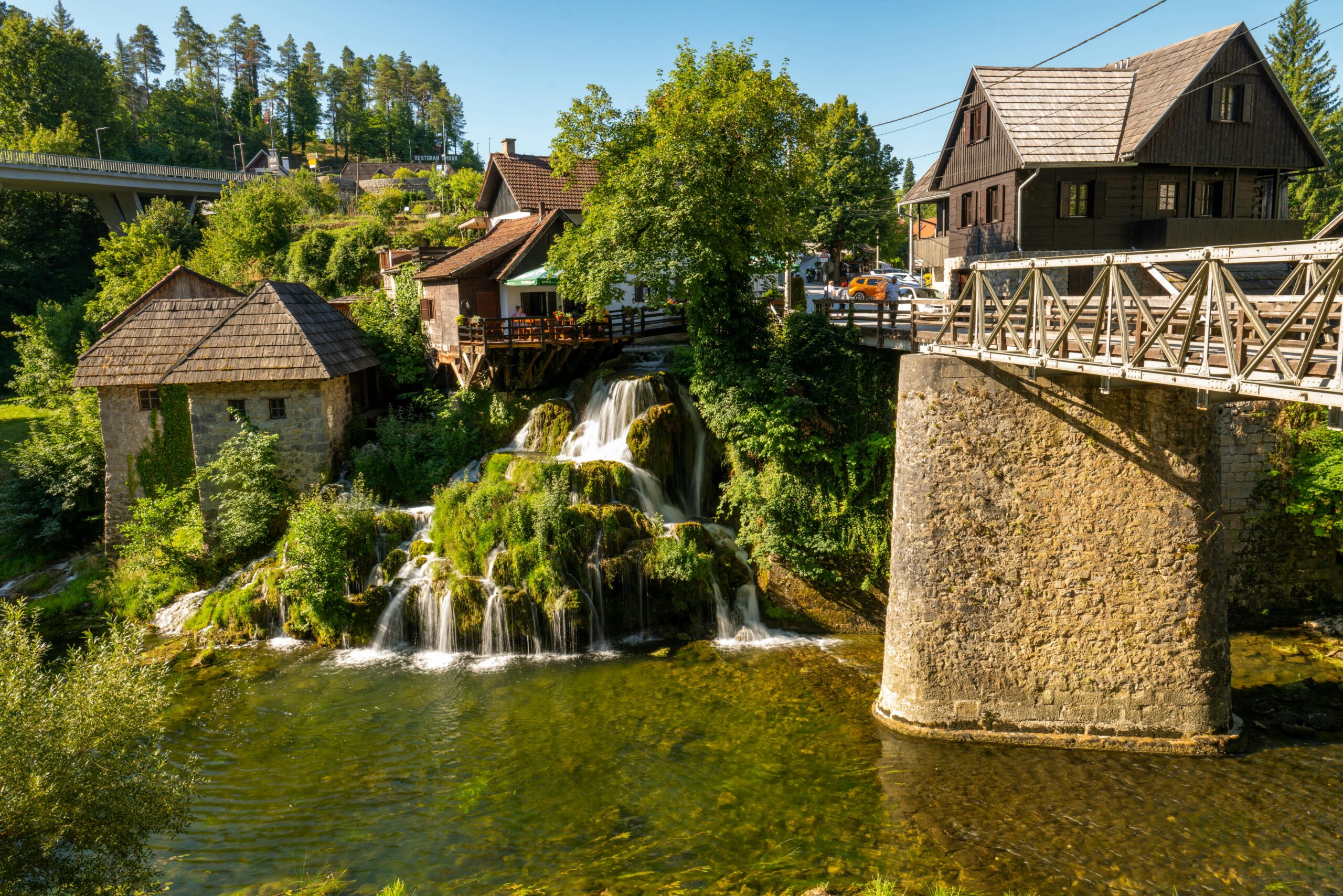
May 19, 2026 – Domestic weekend travel from inland to the coast or vice versa is altering and boosting Croatia’s tourism landscape. With more people opting for quick weekends away, previously overlooked locations are gaining prominence. This subtle but increasingly noticeable trend is reshaping the country’s tourism industry.
The rise of short domestic weekend travel between inland cities and the Adriatic coast is becoming more common. Improved roads, higher incomes (despite ongoing inflation), and changing lifestyles are encouraging more frequent short trips rather than traditional long summer holidays. Instead of taking one long annual holiday, more people are spreading their travel across multiple shorter trips.
Weekend visits from inland cities like Zagreb, Varaždin, and Osijek to coastal destinations such as Zadar, Šibenik, and Istria are becoming more common, especially among younger working adults. This is reshaping demand patterns in accommodation, restaurants, and transport outside traditional peak holiday periods.
The expansion of Croatia’s motorway network has played a significant role in this shift. Journeys that once required half a day or more are now achievable in just a few hours, making spontaneous or frequent coastal visits far more realistic. This has effectively transformed parts of the Adriatic coast into “weekend-accessible” destinations rather than purely seasonal holiday locations.
For coastal businesses, this trend creates new opportunities outside the peak months of July and August. Hotels, private accommodation, and restaurants are increasingly able to attract domestic visitors in spring, autumn, and even winter weekends. However, in some popular areas, it also adds pressure during already busy periods, especially when domestic and international tourism overlap.
Beyond tourism itself, the trend reflects broader lifestyle changes in Croatia. Higher mobility, flexible work patterns, and changing consumer habits are making short travel more normal than in previous generations. Croatia is slowly developing a more continuous tourism flow throughout the year rather than a single concentrated summer season.
For decades, Croatia’s tourism industry was defined by extreme seasonality, but the rise of domestic mini-break travel suggests that pattern may be gradually softening. While the busy summer remains dominant, travel behavior is becoming more distributed, creating new opportunities for both inland regions and coastal destinations.
This shift to weekend travel is a game-changer for Croatia, but it's also a massive opportunity for the rest of the Balkans to diversify their tourism. Will they step up or get left behind?