



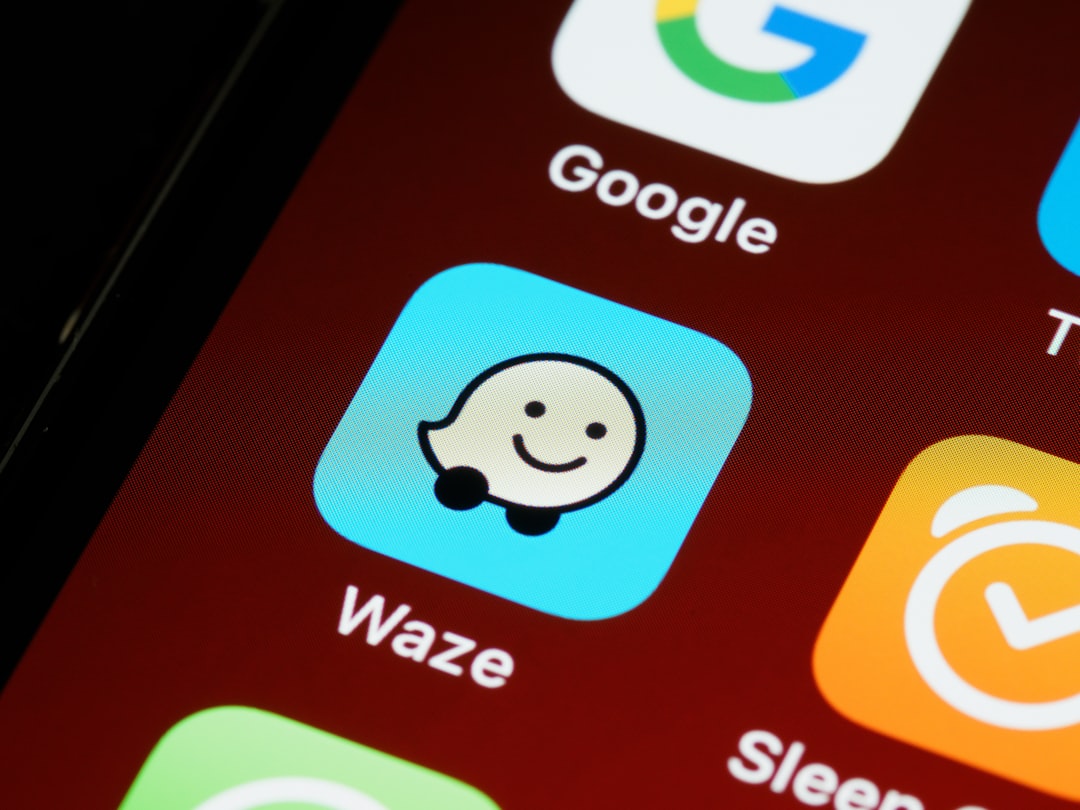
The global navigation app Waze has inadvertently become a makeshift scoreboard for the ongoing FIFA World Cup, displaying live match results directly on drivers' screens. This unexpected feature, which overlays team names and scores onto the map interface, has sparked widespread confusion and frustration among users in the Balkans and worldwide. While the app is designed to provide traffic updates and route guidance, the sudden appearance of World Cup results has disrupted the driving experience for many, particularly in countries with high football engagement like Bulgaria, Serbia, and Greece.
The glitch or feature—depending on interpretation—has gone viral on social media, with users sharing screenshots of their navigation screens showing live scores from matches involving teams like France, Argentina, and Brazil. For Balkan audiences, who are passionate about football, the distraction is particularly notable. Drivers in Sofia, Belgrade, and Athens have reported seeing scores for their national teams or favorite clubs, leading to both amusement and annoyance. The incident highlights the growing intersection of sports media and everyday technology, raising questions about user control over app content.
The Origin of the World Cup Score Bug
The appearance of FIFA World Cup scores on Waze is likely tied to a promotional partnership or a software update aimed at enhancing user engagement during major sporting events. Waze, owned by Alphabet Inc., has previously experimented with real-time data overlays, including gas prices and police alerts. However, this instance appears to be an unintended consequence of integrating live sports data into the app's interface. According to reports from Bulgarian tech media, the feature is not available to all users, suggesting it may be a region-specific test or a glitch affecting certain devices.
Users have noted that the scores appear as pop-up notifications or persistent overlays on the map, often obscuring critical navigation details like turns and traffic conditions. The feature seems to be most prominent in regions with high football interest, including the Balkans, Latin America, and Europe. While some users have embraced the novelty, others have expressed concerns about safety, arguing that drivers should not be distracted by non-essential information while behind the wheel. The incident has prompted calls for greater transparency from Waze regarding how and why such data is integrated into the app.
Impact on Drivers and the Balkan Football Fanbase
The Balkan region has a deeply rooted football culture, with national teams from Serbia, Croatia, Greece, and Bulgaria enjoying massive followings. The unexpected appearance of World Cup scores on Waze has resonated strongly with this audience, who are accustomed to checking live updates on dedicated sports platforms. For many, the glitch has been a moment of surprise and delight, especially when their national team scores a goal. However, for others, it has been a source of distraction, particularly during commutes or long drives where focus is essential.
In countries like Serbia and Croatia, where football is more than just a sport but a part of national identity, the incident has sparked conversations about the role of technology in sports fandom. Social media platforms like Twitter and Facebook have been flooded with memes and jokes about Waze becoming a "second screen" for the World Cup. Some users have even praised the app for enhancing their viewing experience, while others have criticized it for compromising safety. The divide reflects broader debates about how digital platforms should balance entertainment with functionality.
The incident has also highlighted the challenges of global app updates, which may not account for regional preferences or cultural contexts. In the Balkans, where football is a unifying force, the unexpected integration of live scores into a navigation app has created a unique cultural moment. However, it has also raised concerns about user privacy and data usage, as Waze collects information about user locations and behaviors to provide personalized experiences. The incident serves as a reminder of the need for clear communication between tech companies and their users regarding feature rollouts.

How Users Can Disable the Feature and What It Means for Tech-Sports Integration
For users who wish to disable the World Cup score overlay, Waze has provided instructions on how to adjust notification settings. According to the company, the feature can be turned off by navigating to the app's settings menu and disabling "Sports Notifications" or similar options. However, many users have reported that the option is not clearly labeled or accessible, leading to further frustration. The lack of a straightforward opt-out mechanism has drawn criticism from tech experts, who argue that users should have full control over the content they see on their devices.
The incident has broader implications for the future of tech-sports integration. As companies like Google, Apple, and Amazon seek to enhance user engagement through personalized content, the line between utility and entertainment becomes increasingly blurred. The Waze glitch serves as a case study in how such integrations can go awry when not properly tested or communicated. It also raises questions about the ethics of displaying potentially distracting content on devices used for safety-critical tasks like driving.
Looking ahead, the incident is likely to influence how tech companies approach partnerships with sports leagues and media outlets. The FIFA World Cup is one of the most-watched sporting events in the world, and brands are eager to leverage its popularity to reach audiences. However, the Waze example shows that such efforts must be handled with care to avoid alienating users. For Balkan audiences, the incident has been a moment of both amusement and reflection, highlighting the complex relationship between technology, sports, and daily life. As the World Cup continues, users will be watching closely to see if Waze or other apps introduce similar features in the future.

Comments