


A Clash of Nations on the Clay
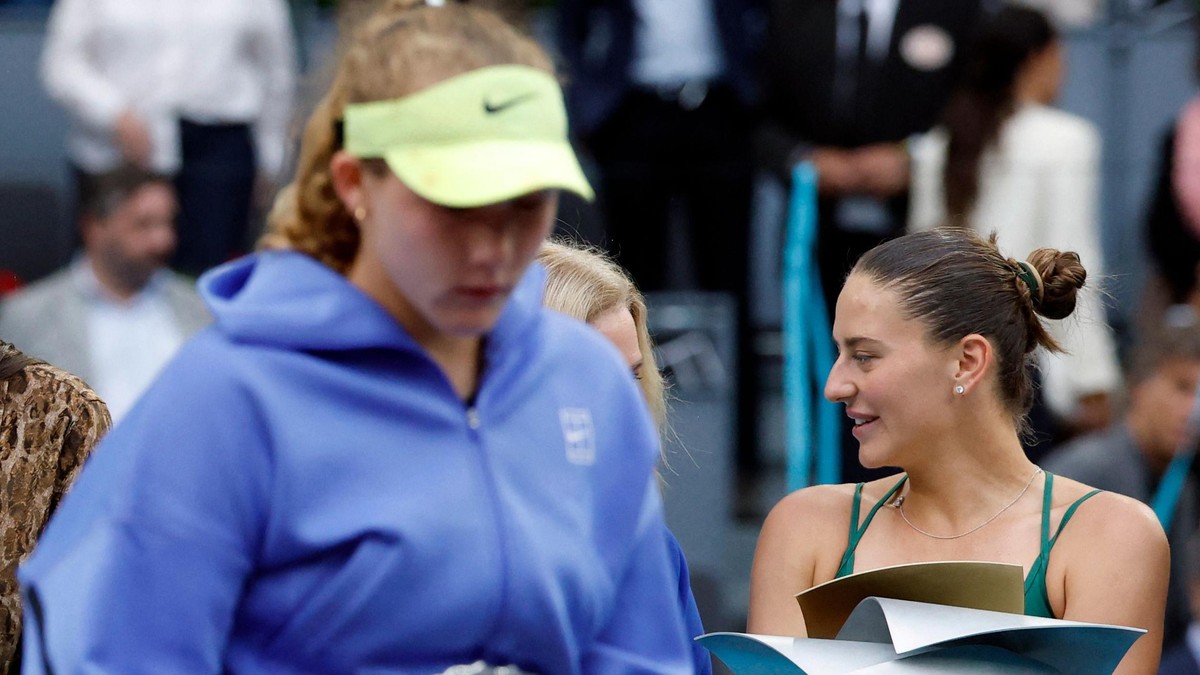
The shadow of the war in Ukraine is inescapable at Roland Garos, particularly in this year’s women’s semifinals. On June 4, Ukraine’s Marta Kostyuk will face Russia’s Mirra Andreeva, pitting two nations locked in conflict for over four years against each other on the Parisian clay.
Kostyuk, 23, is one of Ukraine’s most decorated athletes and a vocal critic of the Russian aggression that began in February 2022. Last week, she revealed the harrowing reality of life in Kyiv, describing a missile strike that hit a building just 100 meters from her family’s home. After defeating compatriot Elina Svitolina to reach the semis, Kostyuk stated, “The most I can do is speak up, so people learn more and don’t get used to this terrible life.”
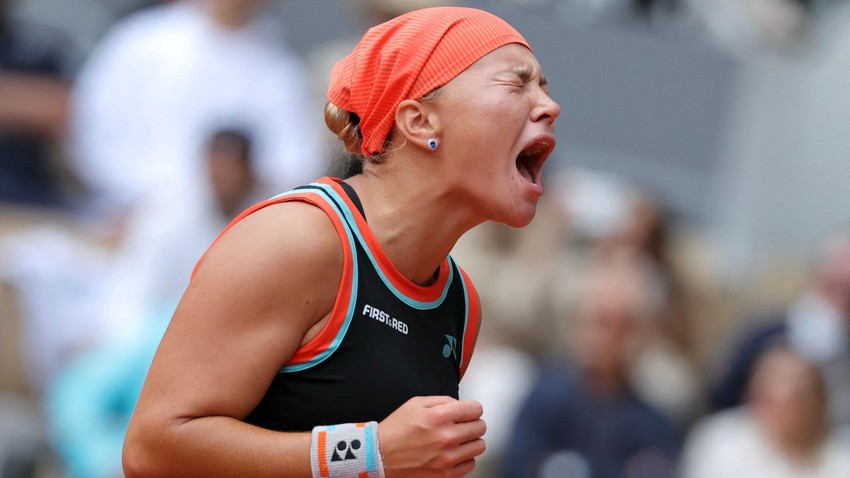
Andreeva, 19, has consistently avoided political commentary, telling reporters before the match, “It doesn’t matter who I play. I try to play against the ball coming at me.” Focused solely on her game plan, the 8th seed will face the 15th seed for the second time in weeks. Kostyuk previously defeated Andreeva in straight sets to win the Madrid Open title in May.
Boycotts and Controversies
No handshake will be exchanged at the net this time. Since the start of the invasion, Ukrainian players have refused to shake hands with Russian opponents, a practice Kostyuk will undoubtedly repeat. If she wins, extending her winning streak on clay to 18 matches, she could face another Russian, Diana Shnaider, in the final.
Shnaider’s path to the semifinals has been fraught with controversy. She eliminated world number one Arina Sabalenka, a Belarusian who has condemned the war despite her government’s support for Moscow. Earlier, Shnaider faced fierce backlash from Alexandra Olinikova after defeating her in the third round. Olinikova accused Shnaider of supporting the invasion by participating in an exhibition match in Saint Petersburg sponsored by Gazprom.
“It’s like playing for Gestapo officers in Nazi Germany, at a tournament organized by the company that built Auschwitz,” Olinikova said. “There is no difference for me.” Shnaider defended her participation, calling it her only chance to play in front of her family that year. Like Andreeva, she has remained silent on the war.
The Weight of Silence
Kostyuk has criticized this silence heavily. “They are all adults. They know what they are talking about. They have phones, Instagram, access to news. It is clear they are aware,” she said. “I don’t know how they can sleep peacefully knowing this is happening and saying nothing.”
Dedication to her homeland fuels Kostyuk’s drive. Former world number one Daniela Hantuchova echoed this sentiment for BBC, noting that for many, sport is the only escape when war erupts in their own backyard. Shnaider will face Poland’s Magda Linette in the other semifinal, meaning all four semi-finalists hail from neighboring Eastern European nations, making the geopolitical stakes as high as the sporting ones.
kostjuk pravi jebe se politika i igra kao ludak, to je pravi harkovac. shnaider samo ćuti i radi posao, ali ko zna kako će to završiti.