



Vlade Đurović has quickly established himself as a central figure in the Serbian basketball landscape, drawing significant attention from fans and analysts alike as Crvena Zvezda navigates a critical period in European competition. The 25-year-old point guard, known for his elite playmaking and high basketball IQ, represents the new wave of talent emerging from Serbia’s domestic league. His recent performances have sparked trending discussions across the Balkans, particularly regarding his compatibility with veteran stars like Milos Teodosic and Dejan Davidovac. This dynamic is not just about individual stats; it is about the strategic evolution of one of Europe’s most historic clubs as it attempts to balance immediate EuroLeague success with long-term squad development.
The interest in Đurović stems from his ability to manage the backcourt with poise under pressure, a skill that has become increasingly valuable in the modern game. As Crvena Zvezda aims to reclaim its dominance in the ABA League and make a deep run in the EuroLeague, Đurović’s role has expanded beyond that of a rotational player. He is now viewed as a potential cornerstone for the team’s future offensive identity. For Balkan audiences, who follow the sport with intense passion, his rise mirrors the historic trajectory of other Serbian guards who have transitioned from domestic success to international stardom. The narrative surrounding him is one of potential, responsibility, and the high stakes of playing for a club with a rich, demanding history.
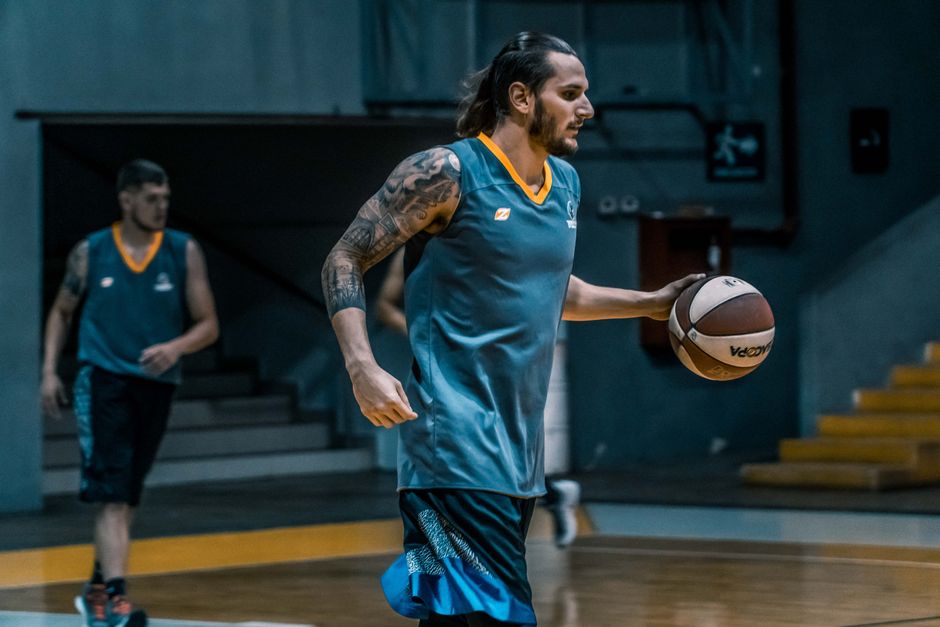
Backcourt Chemistry and Tactical Evolution
The integration of Vlade Đurović into Crvena Zvezda’s starting lineup has been a focal point of tactical analysis this season. His partnership with Milos Teodosic, a seasoned EuroLeague veteran and Serbian national team stalwart, presents a unique challenge and opportunity. Teodosic, known for his scoring prowess and leadership, requires a guard who can facilitate the offense without demanding excessive touches. Đurović fits this profile, offering a selfless approach that complements Teodosic’s ability to create his own shot. This synergy has allowed the team to maintain offensive fluidity even when defenses key in on the veteran star, creating open looks for role players like Dejan Davidovac, who thrives in transition and off-ball movement.
Dejan Davidovac, another key piece in this puzzle, has benefited from the spacing and decision-making provided by the guard duo. Davidovac’s versatility as a wing allows him to exploit mismatches, a tactic that has become more effective with Đurović’s precise passing. The trio’s chemistry is not just a matter of on-court statistics; it reflects a deeper tactical shift under the coaching staff. By leveraging Đurović’s court vision, the team has been able to implement a more dynamic motion offense, reducing reliance on isolated plays. This approach is particularly important in the EuroLeague, where defenses are increasingly sophisticated and quick to collapse on primary ball-handlers. The success of this system hinges on the guards’ ability to read defenses and make split-second decisions, a hallmark of Đurović’s game.
Moreover, the presence of young talent like Đurović signals a commitment to developing homegrown players, a tradition that Crvena Zvezda has long upheld. This strategy not only fosters team identity but also resonates with the fanbase, who value players with local roots. Đurović’s rise is seen as a testament to the club’s youth academy and scouting network, which continues to produce high-caliber athletes. As the season progresses, the ability of this backcourt to perform in high-pressure situations will be a key indicator of the team’s potential. The chemistry between Đurović, Teodosic, and Davidovac is not just a tactical asset; it is a cultural pillar that reinforces the club’s legacy and ambitions.
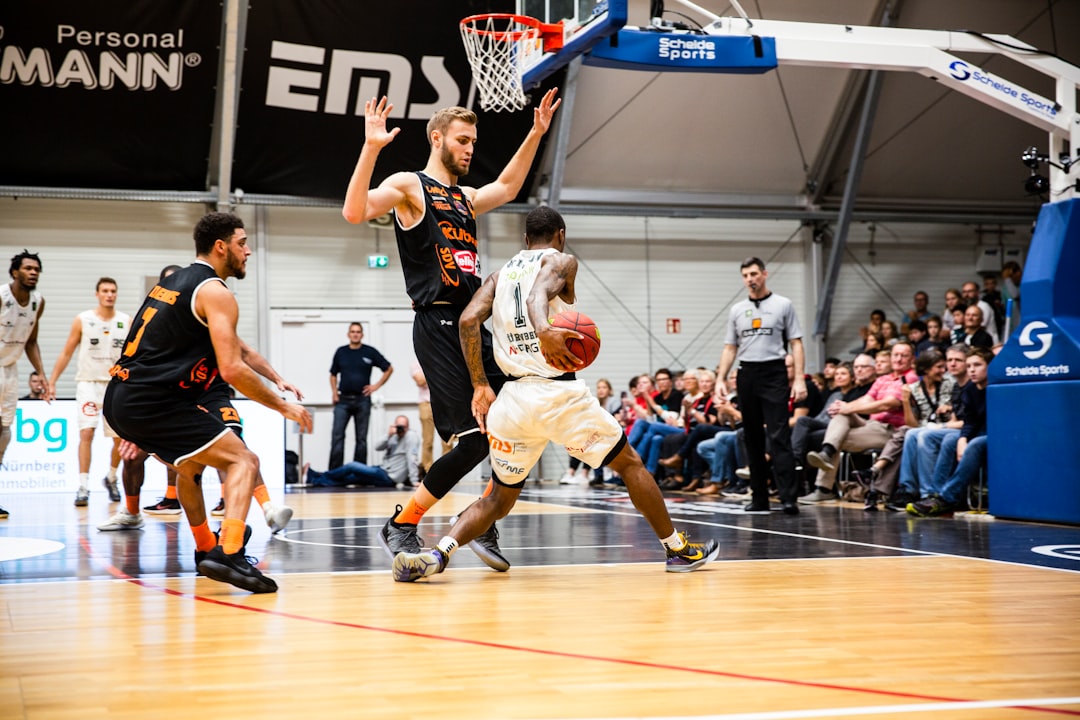
Significance for Serbian Basketball and the EuroLeague
Vlade Đurović’s emergence coincides with a broader resurgence of Serbian basketball on the international stage. The national team, bolstered by players like Nikola Jokić and Bogdan Bogdanović, has set a high standard for excellence. Đurović’s development within this ecosystem is significant, as he represents the next generation of guards who can contribute at the highest levels. His performance in the EuroLeague, one of the most competitive basketball leagues in the world, serves as a proving ground for his potential. Success here not only enhances his individual profile but also strengthens the depth of Serbian basketball talent, which is crucial for the national team’s future campaigns.
The EuroLeague is known for its physicality and tactical complexity, making it an ideal environment for young players to mature. Đurović’s ability to navigate this landscape demonstrates his readiness for higher stakes. His contributions go beyond points and assists; they include defensive effort, leadership, and the ability to stabilize the team during critical moments. These qualities are essential for any player aiming to become a staple in European basketball. For Serbian fans, Đurović’s progress is a source of pride, reflecting the country’s enduring influence on the sport. His journey from domestic leagues to the EuroLeague spotlight is a narrative that resonates deeply with a community that views basketball as a national passion.
Furthermore, Đurović’s success has implications for the broader Balkan basketball community. Clubs in the region are increasingly looking to develop and retain young talent, and Đurović’s trajectory serves as a model for this approach. His ability to excel alongside experienced veterans like Teodosic shows that young players can thrive in competitive environments if given the right support and opportunities. This dynamic is encouraging for other Balkan clubs, which are striving to balance immediate results with long-term development. Đurović’s story is not just about one player; it is a reflection of the health and vitality of basketball in the region, where tradition meets innovation.

The Balkan Angle: Legacy, Loyalty, and Future Prospects
In the Balkans, basketball is more than a sport; it is a cultural touchstone that connects communities across borders. Crvena Zvezda, based in Belgrade, carries the weight of history and expectation, having won multiple EuroLeague titles and produced countless stars. Vlade Đurović’s role in this legacy is significant, as he embodies the continuity of Serbian basketball excellence. His loyalty to the club and his commitment to improving his game resonate with fans who value dedication and perseverance. In a region where sports clubs often serve as symbols of national identity, Đurović’s rise is seen as a reaffirmation of local pride and capability.
The connection between Đurović and the Balkan audience is also rooted in the shared experience of following a team through ups and downs. Crvena Zvezda’s recent years have been marked by both triumphs and challenges, and fans have grown accustomed to the emotional rollercoaster of supporting a top-tier club. Đurović’s emergence offers a sense of optimism, suggesting that the team has a sustainable future. His ability to perform in clutch situations and his willingness to take on responsibility have earned him the respect of both peers and supporters. This respect is crucial in the Balkan context, where player-fan relationships are deeply personal and often lifelong.
Looking ahead, the focus will be on Đurović’s continued development and his potential to become a long-term leader for Crvena Zvezda. His partnership with Teodosic and Davidovac is a current strength, but the team’s success will depend on his ability to adapt and grow as the roster evolves. For Balkan audiences, the story of Vlade Đurović is one of hope and continuity, a reminder that the region’s basketball tradition remains strong. As he navigates the demands of the EuroLeague and the expectations of a passionate fanbase, Đurović’s journey will be watched closely, not just as a player’s career, but as a chapter in the enduring story of Balkan basketball.

Comments