


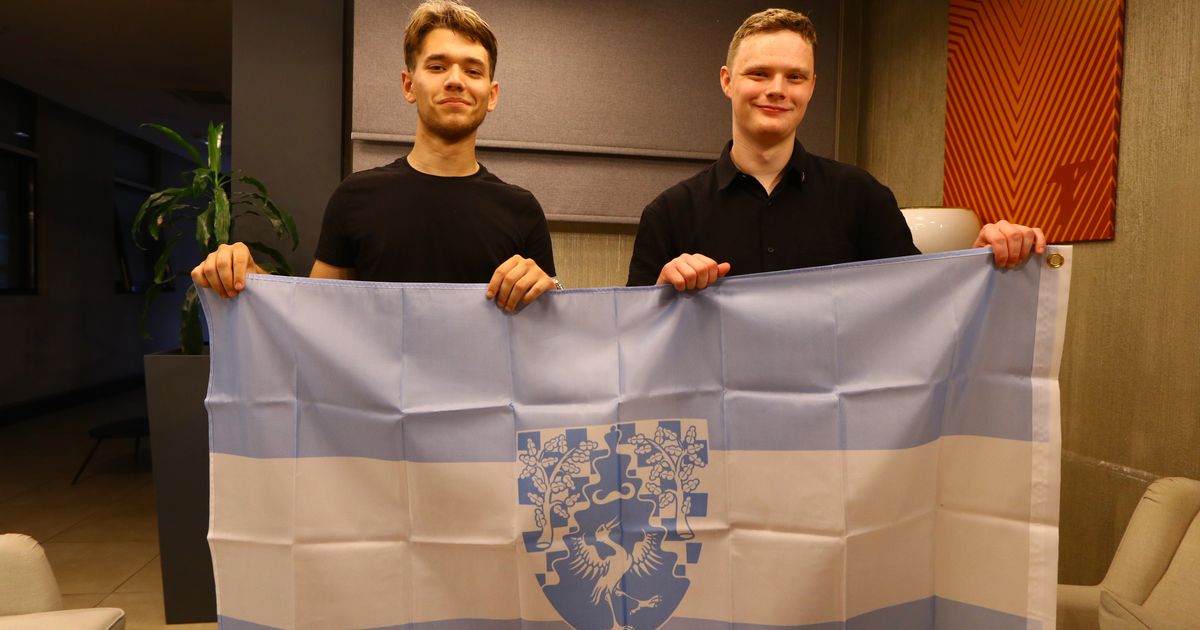
A small, unrecognized entity sits on a spit of land along the Danube River, caught between the borders of Serbia and Croatia. Known as Verdis, this self-declared "state" was founded by a group of young activists who claim the territory is terra nullius—land belonging to no one. While Croatian authorities view their presence as a violation of territorial integrity, the founders argue the land is unregistered in both countries' cadastral records. Despite facing deportation and entry bans, the movement has grown into a global phenomenon with hundreds of citizens and thousands of digital supporters.
From a Disputed Island to the United Nations
The leadership of Verdis has shifted focus from local territorial claims to international diplomacy. Daniel Jackson, the self-proclaimed president, recently visited the United Nations headquarters in New York. This visit was facilitated by the International Peace and Prosperity Development Research (IPPDR), an NGO operating within the UN system. On the same day, Verdis representatives were received at the Haitian consulate. Jackson stated that these moves are part of a serious effort to build international contacts and resolve the blockade imposed by Croatia.
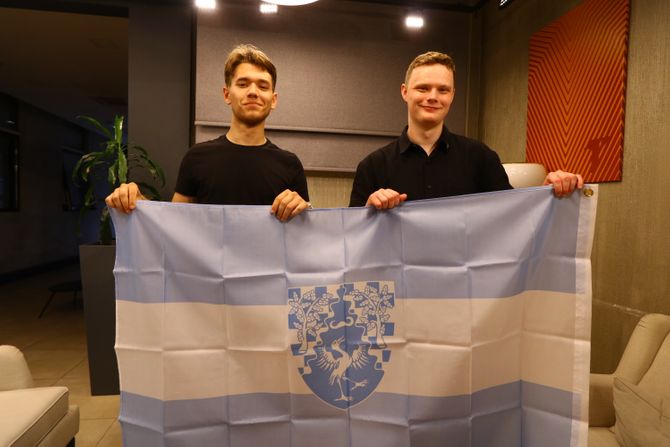
Over the past few months, Verdis officials have held productive meetings in London, New York, and Novi Sad. They have opened an office in Serbia, with Dušan Đurđević serving as the de facto ambassador. The group aims to establish long-term ties with governments worldwide, using diplomacy as a tool to bypass regional political deadlocks.
Humanitarian Missions in Africa
While awaiting access to their claimed territory, the Verdis movement is launching humanitarian initiatives abroad. The next major destination is Africa, starting with a mission to Ivory Coast. The group plans to deliver school supplies, including backpacks for children, and assist in equipping local schools. Officials from Verdis, the IPPDR, and Ivorian authorities are expected to engage in multilateral talks. Similar missions may follow in Nigeria and Ghana.
Verdis citizens hold printed identification documents, and the organization generates funding through application fees. The leadership hopes to sign memorandums of understanding with African nations, which they view as a precursor to formal recognition. By promoting tourism, environmental responsibility, and democratic values, the young activists aim to legitimize their project on the global stage.


fenerbahce were miles better this season tbh / honestly didn't see that coming lol / Djokovic just different class rn... / not convinced they can keep this up but we'll see