


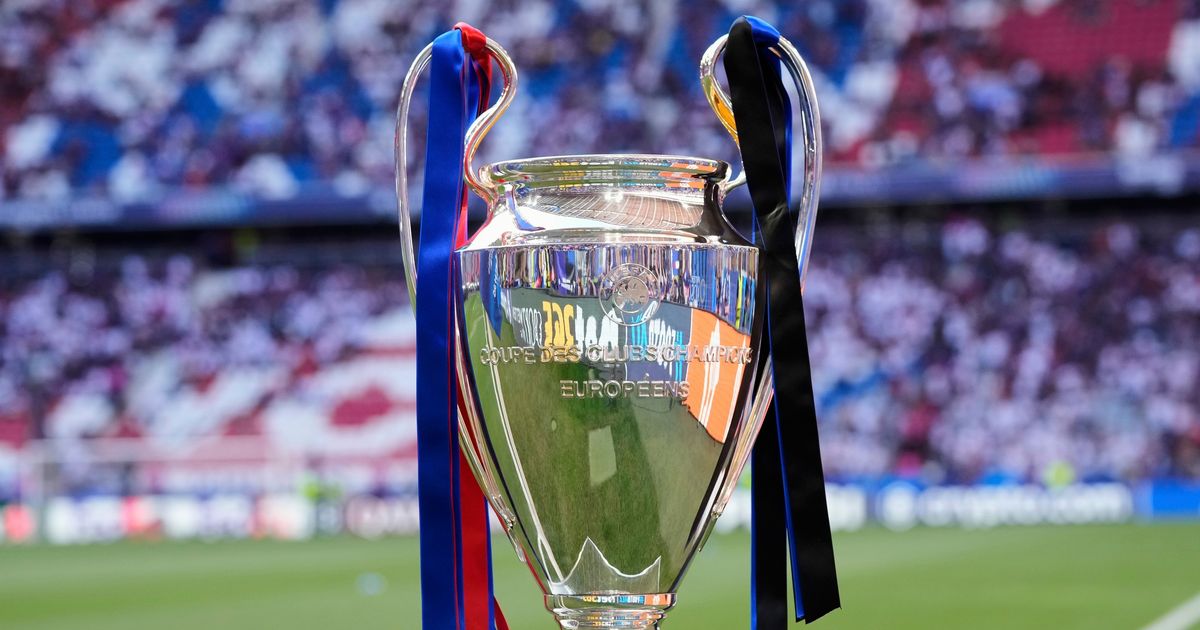
A New Era for European Football
The football world held its breath. A seismic shift rattled the foundations of European club football. For decades, the ritual was sacred: 21:00 CET, the lights dimmed, the drums beating, the biggest stage of them all. But this year? The script is rewritten. The UEFA Champions League final, a blockbuster clash between Paris Saint-Germain and Arsenal, will now ignite the stadium at 18:00. The venue? The majestic Puskás Aréna in Budapest. The reaction? Shockwaves across the continent. Fans gripped their phones, bewildered. Why break a tradition older than most of us?
Cheferin’s Family-First Mandate
Enter Aleksander Čeferin, the architect of European football’s destiny. The UEFA President didn’t mince words. This isn’t about TV ratings or late-night advertisers. It’s about the soul of the game. "We put the fans at the center of our planning," Čeferin declared. He argued that the 21:00 slot works for midweek league matches, where adults dominate the viewing audience. But the final? It’s a Saturday spectacle. It demands accessibility. It demands inclusion.
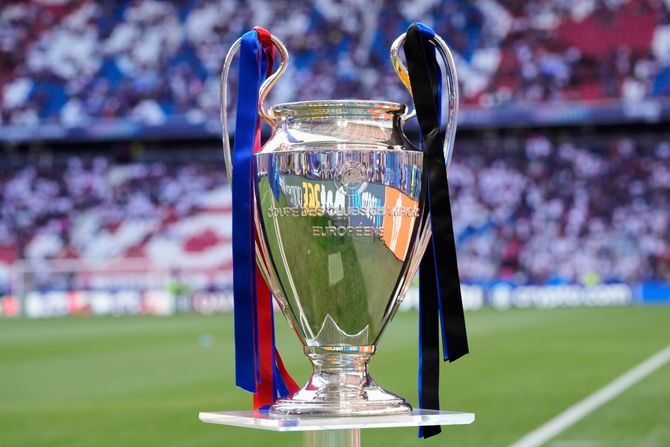
More Time to Celebrate
Think about the logistics. A 21:00 kickoff means a 23:00 finish under normal circumstances. Add extra time? Penalties? You’re looking at midnight. For families with young children, that’s a nightmare. For fans needing to travel home, that’s a logistical headache. The 18:00 slot changes everything. Even with the drama of extra time and a penalty shootout, the final whistle blows before 22:00. That leaves hours for celebration. Hours for analysis. Hours to share the euphoria with loved ones while the sun still has a chance to set. It’s a move designed to maximize joy, not just viewership. The stage is set. The clock has changed. Are you ready?

fenerbahce were miles better this season tbh honestly didn't see that coming lol UEFA finally listening to normal people or just chasing clicks rn...