


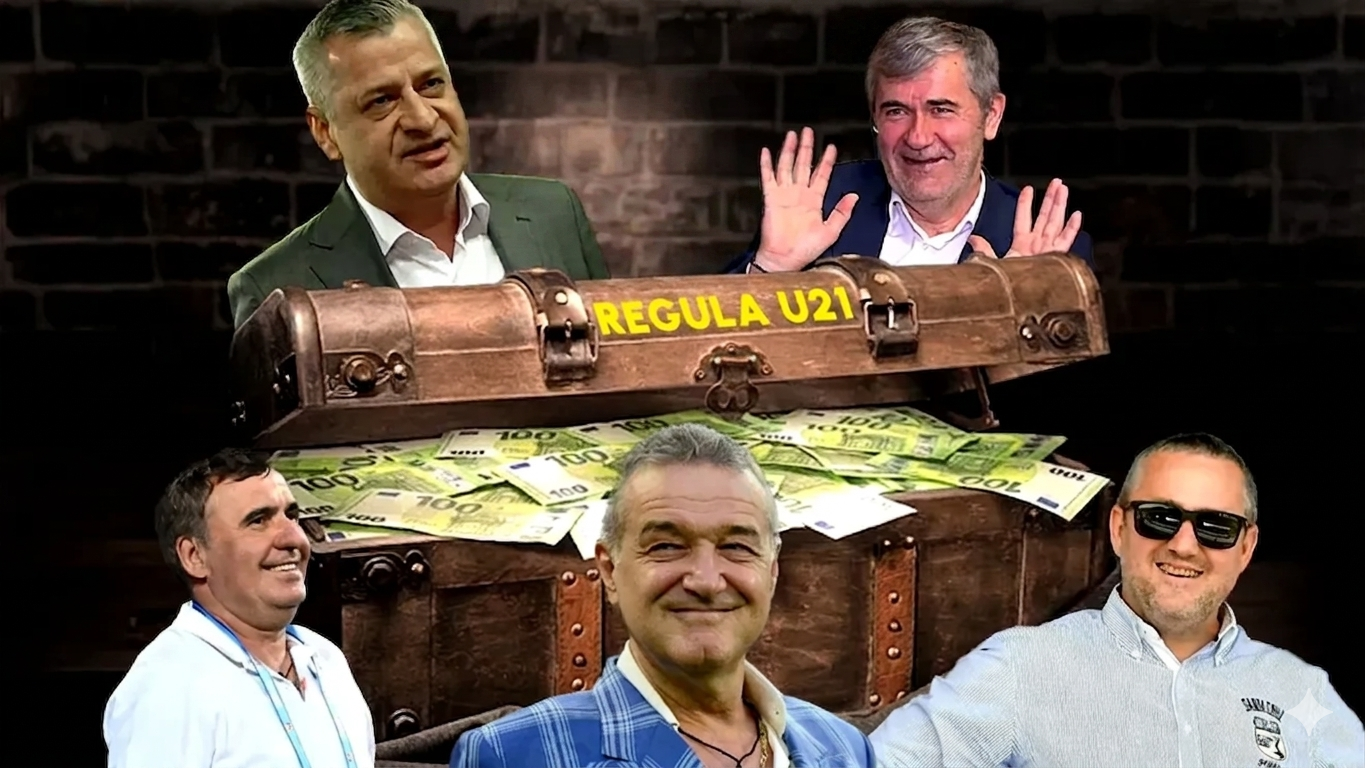
The Youth Revolution in Superliga
Football is no longer just about veterans and experience. It is about the future, the hungry, the untamed. The exclusive ProSport star ratings for the 2025/26 Superliga season have dropped a bombshell, and the shockwaves are still rolling through Bucharest. The U21 rule, once seen as a bureaucratic hurdle, has transformed into a weapon of mass destruction—or a heavy anchor, depending on who you ask. For clubs like Universitatea Craiova, Dinamo București, and FCM Argeș, youth is gold. For FCSB? It’s a burden they haven’t learned to carry.
We didn’t just count goals. We counted impact. Every match, every minute, every spark of brilliance from players born after January 1, 2004, was logged. The system rewards consistency. If you played, you earned stars. If you dominated, you built an empire. This isn’t just a list; it’s a radiograph of Romanian football’s soul. And the diagnosis is clear: the clubs that bet on youth are the ones breathing down the necks of the traditional giants.
Who Won the Youth War?
Look at the top. Universitatea Craiova didn’t just comply with the rule; they weaponized it. Their young guns weren’t fillers; they were finishers. Dinamo București followed suit, proving that their academy pipeline is finally flowing with high-octane fuel. FCM Argeș, too, found their rhythm, letting their under-21s run riot in the midfield. These aren’t happy accidents. They are calculated strategies that have paid dividends in the league table.
But then, there’s the other side of the coin. FCSB, the giants of Romanian football, stumbled. Their reliance on aging stars left them exposed when the U21 slots needed to be filled with genuine talent, not just names on a sheet. The contrast is stark. While some clubs found diamonds in the rough, others found themselves digging through gravel.
The Cost of Complacency
Don’t forget FC Botoșani. Their collapse from leaders to play-out contenders wasn’t just bad luck. It was the injury to Narcis Ilaș that started the slide, but it was the lack of a viable U21 replacement that sealed their fate. Csikszereda Miercurea Ciuc relied too heavily on Efraim Bodo, while Metaloglobus rotated seven different U21s without finding a single consistent spark. Even Oțelul’s Bană and Bordun couldn’t bridge the gap. The message is loud and clear: in 2025/26, if you don’t have your youth sorted, you don’t have a team. The 2026/27 season is already looming, and these same players will be the stars again. Adapt or perish.


craiova younguns are absolutely destroying it rn tbh fcsb needs a serious wake up call lol