


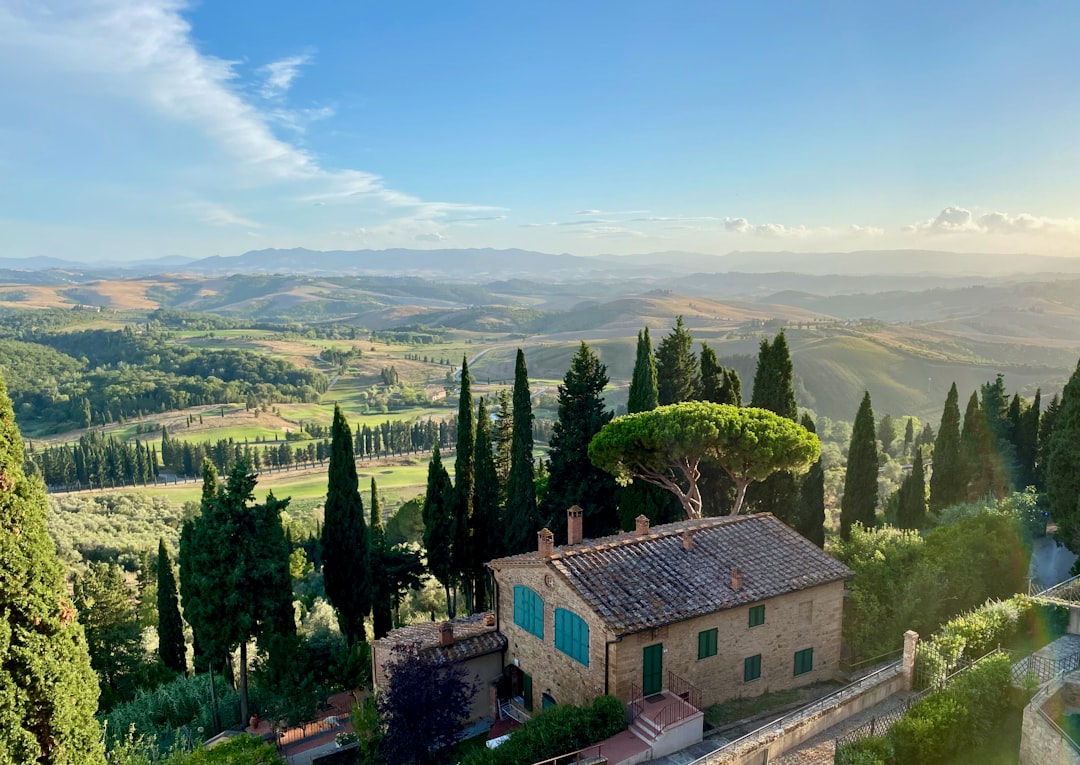
The Italian region of Tuscany has officially initiated the complex legal and administrative process to establish Toscana Strade SpA, a new in-house company designed to centralize and modernize the management of its regional road network. This strategic move represents a significant shift in how one of Europe's most visited tourist destinations handles its critical infrastructure, aiming to streamline maintenance, accelerate upgrades, and improve safety standards across the region's extensive highway system. For Balkan audiences, particularly those with strong trade and tourism links to Italy, this development signals a potential improvement in logistics efficiency and travel reliability for the coming decade.
The establishment of Toscana Strade SpA is not merely an administrative reshuffle but a fundamental restructuring of regional governance. By creating an in-house entity, the regional government seeks to bypass some of the bureaucratic delays often associated with public procurement and external contracting. This model allows for more direct oversight of road maintenance, toll collection, and infrastructure projects. The initiative comes at a time when Tuscany is grappling with the dual pressures of preserving its historic heritage while accommodating the modern demands of international tourism and freight transport.
Centralizing Control for Modernization
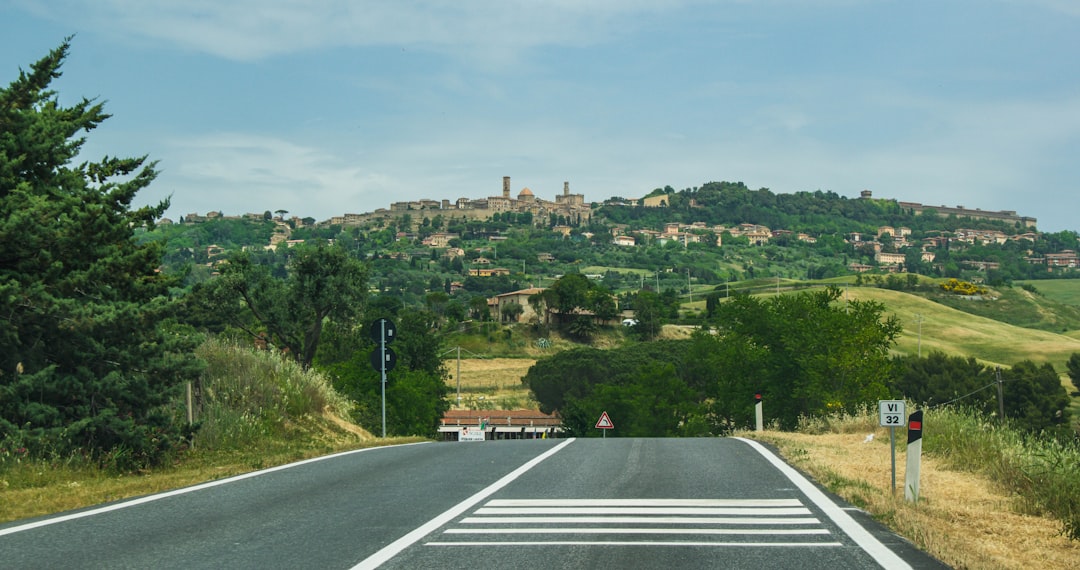
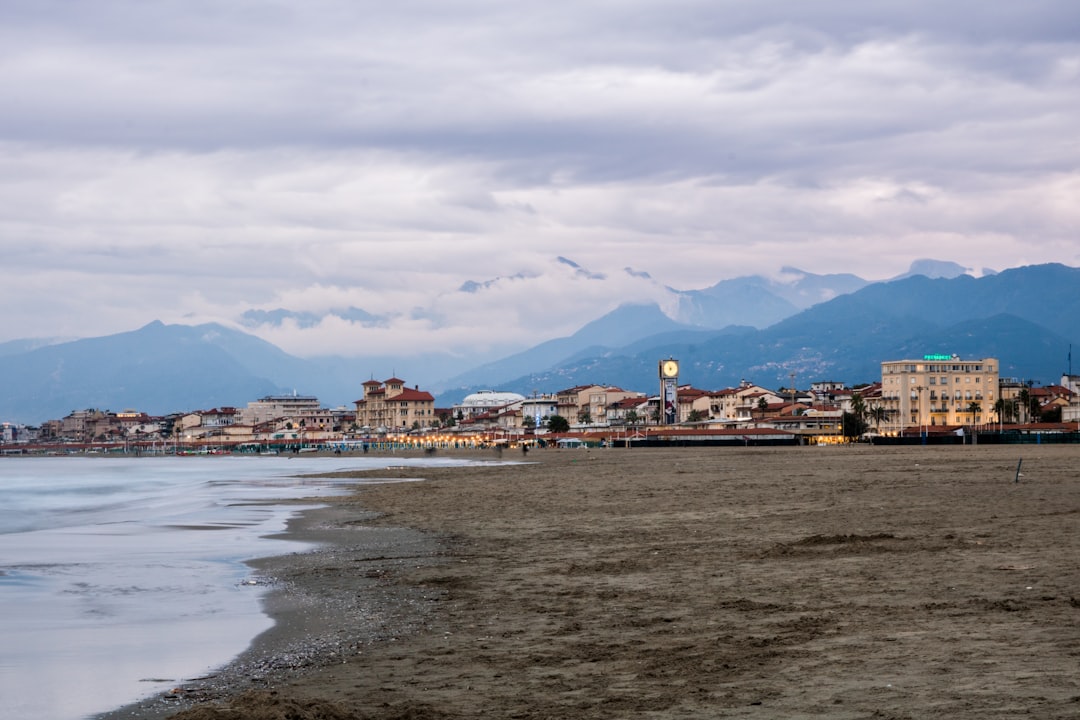
The core of this new initiative lies in the consolidation of various road management responsibilities under a single corporate umbrella. Currently, the management of Tuscany's roads is split among different entities, which can lead to fragmented decision-making and inconsistent service levels. Toscana Strade SpA will take over the technical and economic management of the regional road network, including the famous A11 motorway that connects Florence to the coastal city of Viareggio. This centralization is expected to reduce administrative overhead and allow for more agile responses to infrastructure needs, from emergency repairs to long-term expansion projects.
The financial implications of this restructuring are substantial. The new company will manage a budget that includes revenues from tolls, regional subsidies, and European Union funding. By retaining these funds within a dedicated regional entity, Tuscany aims to reinvest directly into its road network rather than seeing resources dispersed through broader national mechanisms. This approach is similar to models used in other European regions that have sought greater autonomy in infrastructure management. The goal is to create a sustainable funding loop where improved roads attract more traffic and investment, which in turn generates higher revenues for further maintenance.
Critics of the in-house model have raised concerns about potential conflicts of interest and the lack of competitive pressure that private contractors might provide. However, proponents argue that the transparency measures built into the new legislation will mitigate these risks. The regional government has committed to regular audits and public reporting on the performance and financial health of Toscana Strade SpA. This transparency is crucial for maintaining public trust, especially given the high visibility of road conditions in a region where tourism is the economic backbone.
Impact on Tourism and Regional Economy
Tuscany is one of the most visited regions in Europe, attracting millions of tourists annually who come to explore its Renaissance art, vineyards, and coastal beaches. The condition of its roads directly impacts the visitor experience and the efficiency of local businesses. Poor road conditions can lead to longer travel times, increased vehicle wear and tear, and a negative perception of the region's hospitality. By improving the reliability and safety of its road network, Tuscany aims to enhance its appeal as a tourist destination and support the local economy that depends heavily on visitor spending.
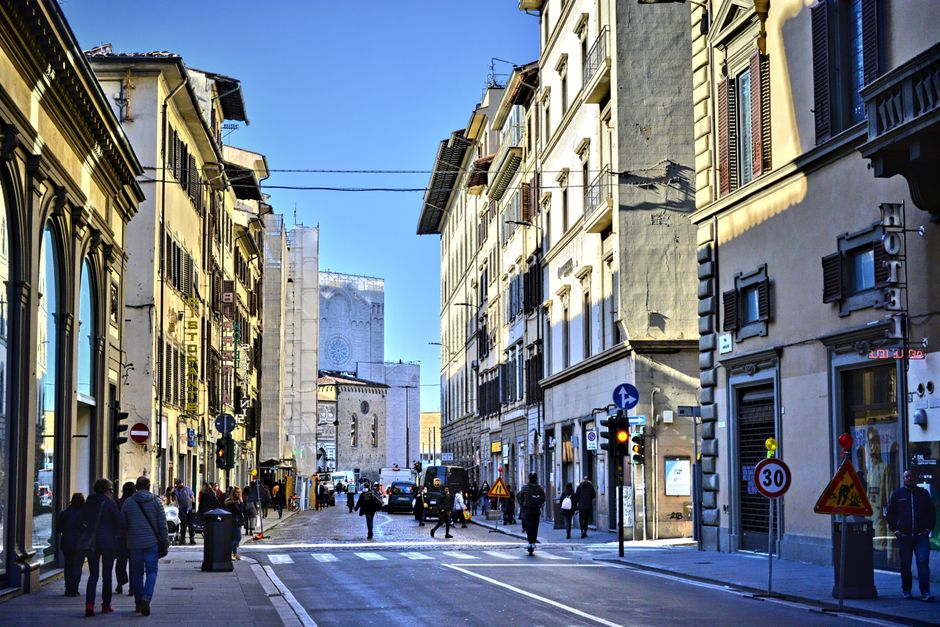
The new authority will also focus on integrating road infrastructure with other forms of transport, such as public transit and cycling paths. This multimodal approach is essential for reducing traffic congestion in historic city centers like Florence and Siena, where narrow streets and limited parking have long been sources of frustration for both residents and visitors. By encouraging the use of public transport and non-motorized travel options, Toscana Strade SpA hopes to create a more sustainable and livable region. This aligns with broader European Union goals to reduce carbon emissions and promote green mobility.
For the Balkan region, improved infrastructure in Tuscany has indirect but meaningful benefits. Many Balkan countries, including Romania, Bulgaria, and Serbia, have growing numbers of citizens traveling to Italy for tourism, work, and study. Efficient road networks in Tuscany can facilitate smoother travel for these visitors, reducing delays and stress. Additionally, improved logistics infrastructure can benefit Balkan exporters who ship goods to Italian markets, particularly in the agri-food and manufacturing sectors. Faster and more reliable transport links can lower costs and increase competitiveness for businesses across the Adriatic.
What to Watch Next
The formation of Toscana Strade SpA is only the first step in a long-term transformation of the region's infrastructure. Over the next few years, the new company will need to define its operational strategies, hire staff, and begin implementing major projects. Stakeholders will be closely watching how quickly the new authority can deliver tangible improvements to road conditions and service quality. The success of this initiative will likely depend on its ability to balance efficiency with accountability and to engage effectively with local communities and businesses.
As the legal process moves forward, there may be adjustments to the structure and scope of the new company based on feedback from various interest groups. The regional government will need to navigate these challenges carefully to ensure that the transition is smooth and that the benefits are widely shared. For readers in the Balkans and beyond, this story offers a glimpse into how European regions are adapting their infrastructure management to meet the challenges of the 21st century. The outcome could serve as a model for other regions facing similar pressures, making it a development worth monitoring closely.


Comments