


In a series of high-profile moves that have sent shockwaves through Turkey’s entertainment sector, several prominent figures have been detained in recent weeks by Turkish authorities. The arrests, which span musicians, actors, and social media influencers, have sparked intense debate about freedom of expression, state power, and the boundaries of artistic license in Turkey. For Balkan audiences, particularly those in neighboring countries with complex political histories, these events resonate deeply, raising questions about cultural freedom and the role of public figures in times of political tension.
The Detainees and the Charges
Among those taken into custody are well-known names from Turkey’s vibrant music and film industries. While official statements cite various charges, including alleged ties to banned organizations and incitement, many observers believe the detentions are linked to political dissent. The Erdoğan government has faced criticism for cracking down on critics, and the entertainment world appears to be no exception. Families and colleagues of the detainees have expressed concern, calling the moves disproportionate and politically motivated.
Context and Significance
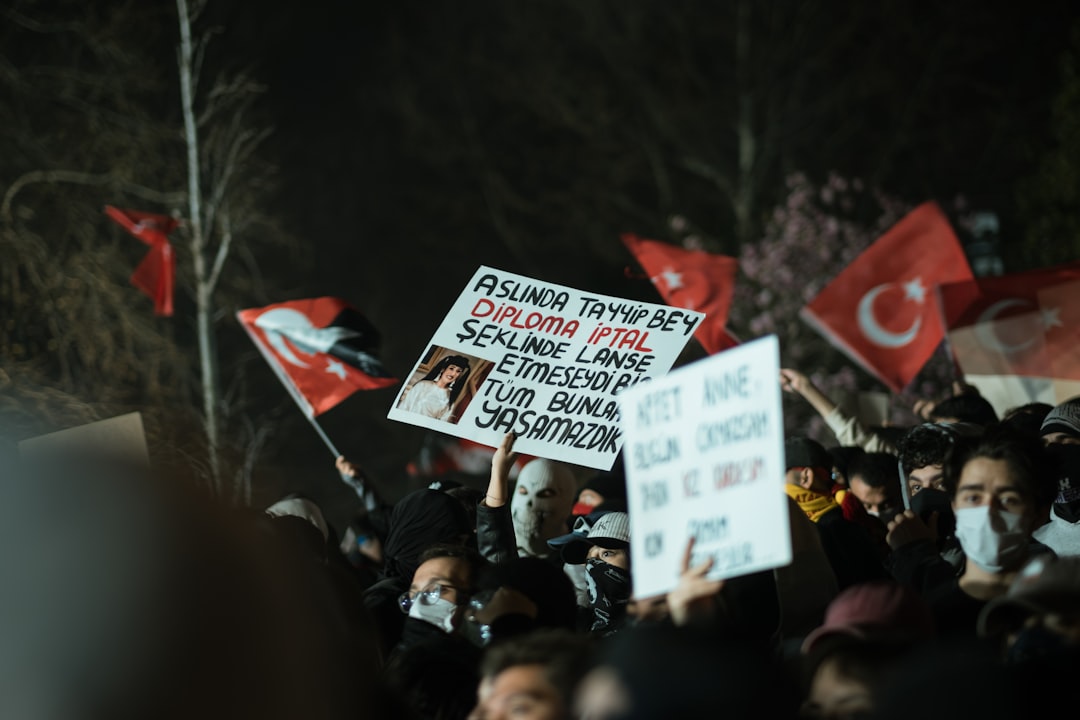
These arrests occur against a backdrop of rising political polarization in Turkey. The government has long been accused of silencing dissent, with journalists, academics, and artists frequently targeted. The state of emergency declared after the 2016 coup attempt granted authorities sweeping powers, many of which remain in effect. Critics argue that the current wave of detentions is part of a broader pattern of intimidation, aimed at stifling opposition and controlling public discourse.
The impact on Turkey’s cultural landscape is significant. The entertainment industry, long a source of national pride and soft power, now faces uncertainty. Artists and producers are reportedly self-censoring, fearing repercussions. This chilling effect threatens to diminish Turkey’s cultural influence, both regionally and globally. For Balkan countries with similar histories of authoritarianism, the situation serves as a cautionary tale about the fragility of creative freedom.
The Balkan Angle and Regional Repercussions
For the Balkans, Turkey’s actions have direct implications. The region shares deep cultural, historical, and familial ties with Turkey, and many Balkan citizens have relatives or friends in Turkey. Moreover, Turkey is a key regional player, and its internal dynamics affect neighboring countries. In Greece, Bulgaria, and North Macedonia, civil society groups have expressed solidarity with the detained artists, fearing that similar tactics could emerge in their own countries.
The detentions also highlight the interconnectedness of Balkan and Turkish media. Many Turkish celebrities are popular across the Balkans, and their arrests have sparked widespread discussion on social media. In Serbia and Croatia, online campaigns have emerged calling for their release, reflecting the region’s sensitivity to issues of justice and freedom. This transnational solidarity underscores the shared concerns of Balkan audiences regarding the erosion of democratic norms.
Looking ahead, the fate of the detained celebrities remains uncertain. Legal proceedings are expected to be lengthy, and the outcomes will send strong signals about the Turkish government’s stance on dissent. For the Balkans, watching this situation unfold is critical. It serves as a reminder of the importance of defending creative freedom and the need for regional cooperation in upholding democratic values. As tensions rise, the international community must remain vigilant, ensuring that art and expression are not sacrificed on the altar of political control.
Comments