



Resident communities in southeastern Turkey are on high alert following reports of renewed seismic activity in the provinces of Kahramanmaraş and Gaziantep. The latest tremors, which have sparked immediate concern across the region, have prompted the Disaster and Emergency Management Authority (AFAD) to issue urgent updates and reassess safety protocols. For an international audience, this development underscores the persistent geological volatility of the Eastern Mediterranean, a zone that has seen some of the most devastating seismic events in recent history. The immediate focus for local authorities and international aid organizations is to determine the magnitude and potential impact of these new shocks on the fragile recovery process from the catastrophic earthquakes that struck earlier this year.
The initial reports indicated that the tremors were felt strongly in urban centers, causing widespread panic and temporary evacuations from residential buildings. While preliminary data suggests the magnitude may not match the devastating scale of the February 6 event, the psychological impact on a population still grappling with trauma and displacement is significant. The February 2023 earthquakes remain a fresh wound for the region, having claimed tens of thousands of lives and destroyed hundreds of thousands of homes. Consequently, any new seismic activity triggers a complex mix of fear, resilience, and urgent logistical response from emergency services.
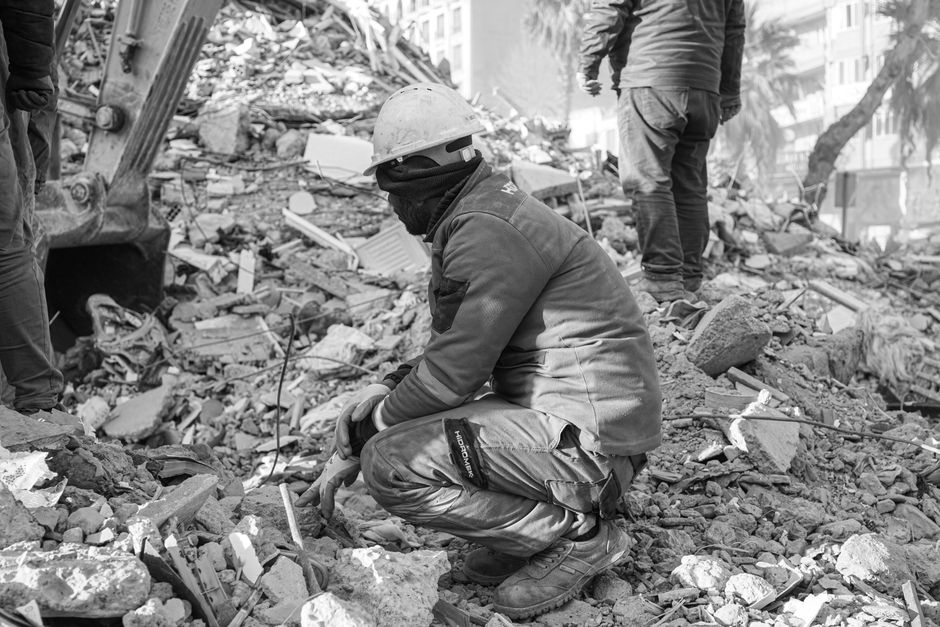
Seismic Context and Geological Reality
Turkey sits atop one of the most active seismic zones in the world, primarily due to the complex tectonic interactions between the Anatolian Plate, the Arabian Plate, and the African Plate. The East Anatolian Fault and the North Anatolian Fault are major strike-slip faults that accommodate this tectonic movement, making the country prone to frequent and often powerful earthquakes. The recent activity in Kahramanmaraş and Gaziantep is directly linked to this geological reality. Experts emphasize that "aftershocks" can continue for months or even years after a major event, but new independent seismic events are also common in such a volatile region.
Understanding the difference between an aftershock and a new mainshock is critical for risk assessment. Authorities are closely monitoring seismographic data to classify the recent tremors. If these are aftershocks of the February 6 disaster, they are expected to decrease in frequency and intensity over time. However, if they represent new tectonic adjustments, the risk profile changes significantly. The Turkish Disaster and Emergency Management Authority is coordinating with the Kandilli Observatory and Earthquake Research Institute to provide real-time data. This scientific monitoring is essential for guiding public safety measures and preventing unnecessary panic while ensuring that genuine threats are addressed with appropriate urgency.
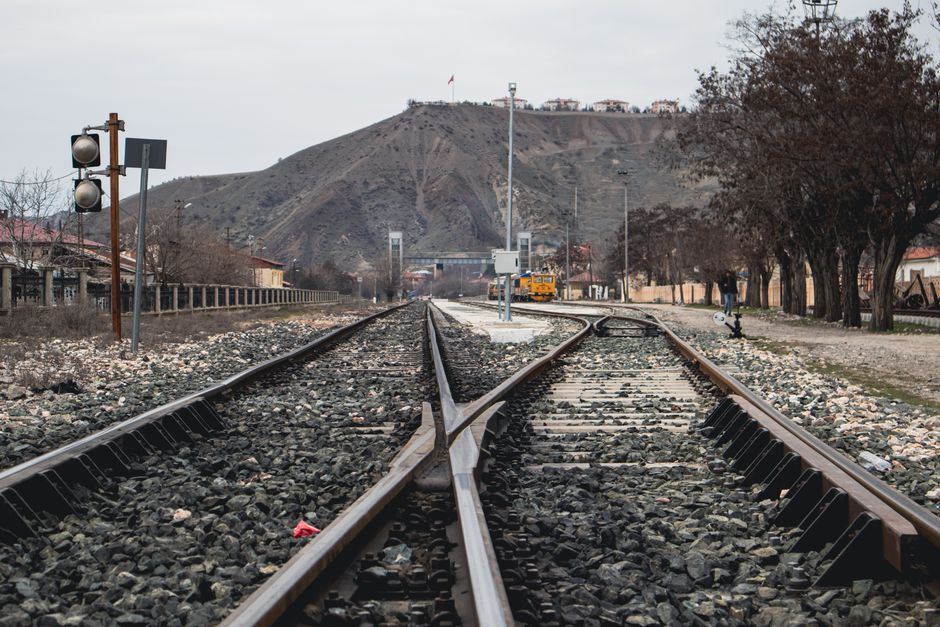
Impact on Recovery and Infrastructure
The immediate consequence of renewed seismic activity is the strain on ongoing recovery efforts. Thousands of temporary housing units, known as "konteyner" cities, have been established to house displaced families. These structures, while designed to be safe, require regular inspection after any significant tremor. Local municipalities in Gaziantep and Kahramanmaraş are currently conducting rapid structural assessments of both temporary accommodations and partially repaired permanent buildings. Any damage, no matter how minor, must be documented and addressed to prevent further displacement or safety hazards for vulnerable populations.
Furthermore, the psychological toll cannot be understated. Many residents have returned to their homes with the hope of stability, only to face the unsettling reminder of the earth's power. Mental health support services, which were already stretched thin, are seeing increased demand. International organizations, including the United Nations and various NGOs, are readying additional resources to support community resilience programs. The economic impact is also a concern, as businesses that were slowly reopening may face new disruptions. The tourism sector, vital to the region's long-term economic recovery, may see a temporary dip in visitor confidence, highlighting the need for transparent communication from government bodies.

Regional Implications and International Response
The significance of this event extends beyond Turkey's borders, affecting the broader Balkan and Eastern Mediterranean region. Seismic activity in Turkey is closely monitored by neighboring countries, including Greece and Bulgaria, due to the interconnected nature of regional tectonic plates. While the direct impact on these nations is minimal, the event serves as a stark reminder of the shared seismic risks in the Eastern Mediterranean. Cooperation between national disaster management agencies is essential for effective response and resource sharing. The European Union has previously provided significant financial aid for reconstruction, and this renewed activity may trigger further reviews of aid packages and structural safety standards in the region.
For the international community, the focus remains on supporting Turkey's capacity to manage these crises. The efficiency of the response to the February earthquakes was widely scrutinized, leading to reforms in building codes and emergency preparedness. The current situation tests these reforms. Observers are watching to see if the updated protocols are effective in minimizing damage and saving lives. The global scientific community is also analyzing the data from these tremors to improve earthquake prediction models and understanding of fault mechanics. This knowledge is invaluable for other seismically active regions around the world, including parts of the Balkans that face similar geological challenges.
As the situation evolves, the primary concern for residents and authorities alike is the stability of the region. The coming days will be critical in determining the long-term impact of these tremors. Continuous monitoring, transparent communication, and robust emergency preparedness are the key pillars of the response strategy. For readers following the story, the focus should remain on verified information from official sources like AFAD and reputable news outlets to avoid the spread of misinformation. The resilience of the Turkish people, demonstrated time and again in the face of adversity, remains the most powerful factor in navigating these challenging times. The world watches with empathy and attention, recognizing that the lessons learned here have global implications for disaster management and community resilience.

Comments