


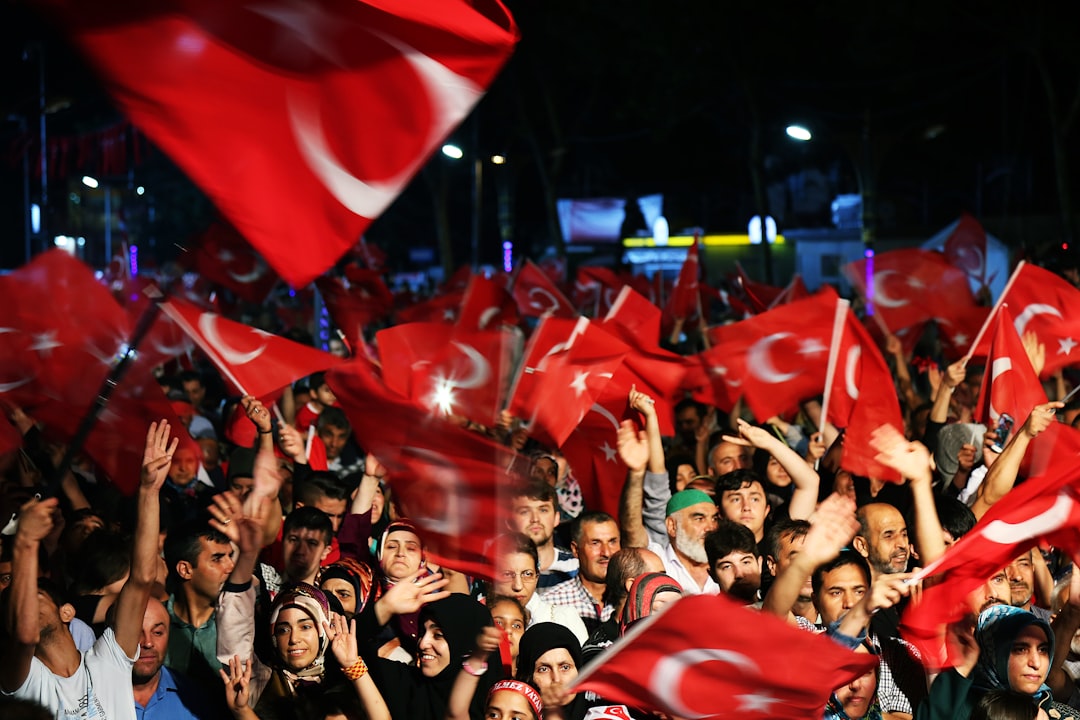
The Turkish national football team is navigating a critical juncture in its qualification campaign for the 2026 FIFA World Cup, with intense scrutiny falling on head coach Vincenzo Montella’s tactical decisions following the recent match against Australia. The encounter, which served as a high-stakes friendly ahead of the rigorous qualifiers, sparked widespread debate among analysts and fans alike regarding team selection and in-game management. For Balkan audiences, who closely follow the regional football landscape, Turkey’s performance carries significant weight as the nation seeks to reassert itself among the top European contenders. The match against Australia was not merely a test of fitness but a strategic trial for Montella’s evolving system, drawing sharp commentary from international media outlets that questioned specific substitutions and formation choices.
Tactical Controversy and Media Reaction
Following the match against Australia, global sports media focused heavily on Montella’s decision-making, particularly concerning the timing of substitutions and the structural integrity of the midfield. Reports indicated that some critics felt the manager failed to adjust effectively to Australia’s pressing game, with notable players being substituted after what analysts described as an insufficient period of adaptation. The narrative emerging from outlets like Hurriyet’s Spor Arena highlighted specific moments where tactical rigidity was perceived as a liability. This scrutiny underscores the pressure Montella faces to deliver results, as the Turkish Football Federation expects a seamless transition from friendly matches to the high-intensity environment of World Cup qualifiers.
The debate extends beyond mere criticism, touching on broader questions about player development and squad cohesion. Montella, known for his work with AS Roma and the Italian national team, is attempting to instill a more possession-oriented style that contrasts with the traditionally direct approach of Turkish football. However, the execution of this philosophy against a physically robust side like Australia revealed gaps in defensive transition. International observers noted that while individual talent was evident, the collective understanding required for a World Cup-caliber campaign remains under construction. This period of adjustment is vital, as the team prepares to face European powerhouses in the upcoming qualification group.
The Path to the 2026 FIFA World Cup
Qualification for the 2026 FIFA World Cup presents a unique challenge for Turkey, given the expanded format of the tournament which now includes 48 teams. While this expansion increases the number of available slots, it also intensifies competition as more nations invest in their national programs. Turkey is placed in a highly competitive group, where every point will be decisive. The team’s recent performances have shown flashes of brilliance, particularly in attacking transitions, but consistency remains the primary hurdle. The federation has set clear expectations, aiming not just to qualify but to compete at the highest level, a goal that requires both tactical precision and mental resilience.
The upcoming qualification matches will serve as the true test for Montella’s squad. Key fixtures against European rivals will demand a higher level of concentration and tactical flexibility. The team must balance the integration of young talents from the Süper Lig with the experience of veterans who have represented Turkey in previous major tournaments. This blend of youth and experience is crucial for sustaining performance over a long qualification campaign. Additionally, the team must address defensive vulnerabilities that were exposed in the friendly against Australia, ensuring that they can withstand the pressure of away matches against top-tier opposition.
Balkan Context and Regional Rivalries
For fans across the Balkans, Turkey’s journey to the World Cup is viewed through the lens of regional football dynamics. The Balkans have a rich history of producing world-class talent, and Turkey’s success or failure often influences the competitive balance in the region. Nations such as Greece, Serbia, and Croatia are also navigating their own qualification paths, creating a backdrop of intense rivalry and comparison. Turkish fans and analysts closely monitor how their national team performs relative to these Balkan neighbors, as it reflects the broader standing of the region in world football.
The cultural and historical ties between Turkey and its Balkan neighbors mean that football matches often carry additional significance beyond the pitch. Derbies between Turkish clubs and Balkan teams in European competitions have long been marquee events, drawing massive audiences and media attention. This rivalry extends to the national teams, where every encounter is charged with passion and pride. As Turkey prepares for the 2026 World Cup, the performance of the national team is seen as a reflection of the country’s sporting prestige in the region. Success would bolster national morale and reinforce Turkey’s status as a footballing power in Southeast Europe and the wider Balkan sphere.
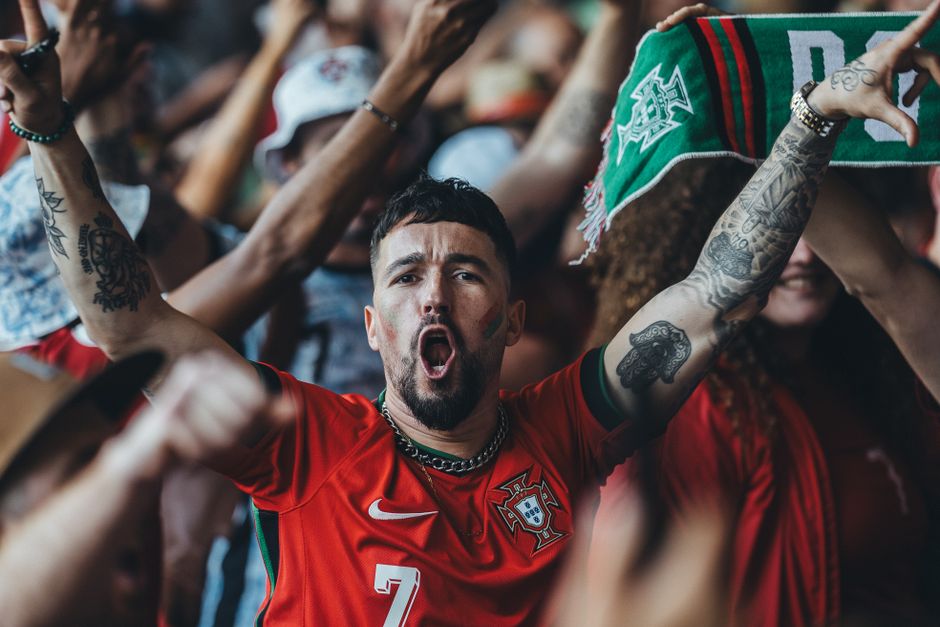
As the qualification campaign progresses, all eyes will be on Montella’s ability to adapt and refine his tactics. The lessons learned from the match against Australia must be quickly integrated into the team’s strategy. Fans and analysts alike will be watching for signs of improved defensive solidity and more cohesive attacking play. The stakes are high, and the margin for error is slim. For the Balkan audience, Turkey’s quest for the 2026 World Cup is a compelling narrative of ambition, challenge, and regional pride. The coming months will determine whether Montella’s project can withstand the pressures of international football and deliver the qualification success that the nation demands.



Comments