


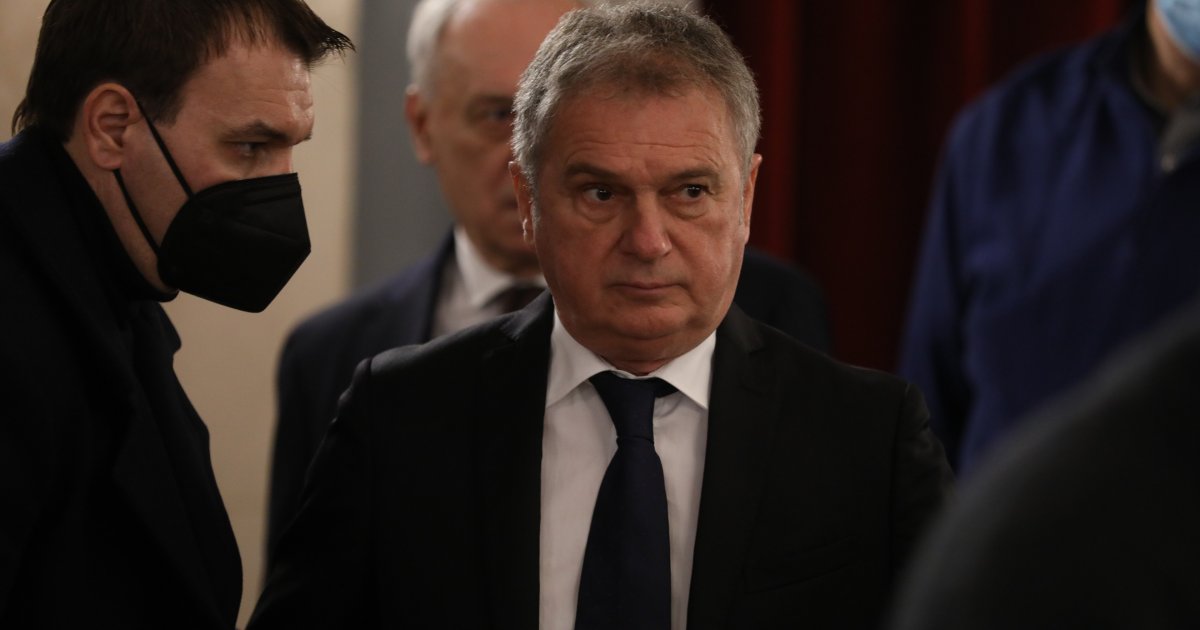
The shockwaves from Predrag Mijatović’s exit from the executive board of FK Partizan continue to reverberate through the Balkan football landscape. But amidst the chaos, one voice rises above the noise, cutting through the speculation with the precision of a seasoned veteran. Ljubiša "Tumba" Tumbaković, the legendary former coach of the black-and-whites, has stepped into the arena to shield his former protégé and friend from a relentless barrage of criticism.
A Moral Stand In A Chaotic Club
Tumbaković, who guided Mijatović during a two-year stint at the helm, speaks with unfiltered emotion. He laments the departure, not just as a loss for the club, but as a testament to Mijatović’s character. "I am personally sorry Peđa left," Tumbaković stated in the "Superindirektno" podcast. "What he did is a moral act. He has shown his human value."
The former national team coach turns the tables on the detractors. Is there any basis for the claims that Mijatović is unfit for the role? Tumbaković scoffs at the notion. "Who has the right to destroy a Peđa Mijatović?" he demands. "Will someone explain this to me? Peđa is a giant in football. He was the director of the biggest club in the world, Real Madrid, for three and a half years!"
The Myth Of The Short Reign
The criticism, Tumbaković argues, is built on a false premise of time. He dismantles the narrative that the administration failed due to incompetence, pointing instead to the brutal reality of transfer windows. "They weren't there for three or four years," Tumbaković clarifies. "It was one and a half years. That’s two transfer windows, and this is the third. There is a coaching rule that a team is built over three transfer windows."
He challenges the logic of the critics. How can one find fault with a man who left a masterclass mark on his playing days at Partizan, built a fantastic career in Spain, and managed the administrative side of a global superpower? "And then he comes here and doesn't know how to run Partizan? How?"
In his final verdict, Tumbaković reflects on the status of legends in modern Serbian society. He reaffirms that Mijatović is not just a player, but a realized executive. "Peđa is a great guy," Tumbaković concludes. "He is a football legend, if that term even means anything in this Serbia today. He is realized as a player, realized as a manager, and any other story is superfluous."


tumba haksız değil tbh peđa'nın işi çok zor ama bu eleştiriler abartı, real madrid'den gelip partizan'da hata mı yapar ya anlamadım nlg