



Stefanos Tsitsipas, the Greek star and former world No. 2, continues to dominate global tennis headlines as he pushes for a breakthrough Grand Slam title. His recent performances have reignited discussions about the disparity in tennis development between Greece and its Balkan neighbors. While Tsitsipas benefits from a robust national infrastructure and significant commercial backing, players from Bulgaria, Serbia, and Romania often cite systemic challenges in facilities and funding. This contrast highlights a broader regional narrative: while individual talent flourishes across the Balkans, institutional support remains uneven. The topic has gained traction following comments from Bulgarian star Grigor Dimitrov, who emphasized the lack of "normal conditions" for tennis in his home country compared to western Europe and Greece.
Tsitsipas, known for his elegant forehand and aggressive baseline style, remains a central figure in men’s tennis. His journey from the junior circuits to becoming a consistent top-10 player underscores the effectiveness of Greece’s tennis ecosystem. Meanwhile, Balkan audiences closely follow his progress, viewing him as a regional ambassador for the sport. The conversation around his success inevitably draws comparisons to other Balkan talents, sparking debate on how national federations can better support their athletes. This dynamic is not just about on-court results but also about long-term sustainability and the ability to nurture the next generation of champions.
The Greek Model: Infrastructure and Investment
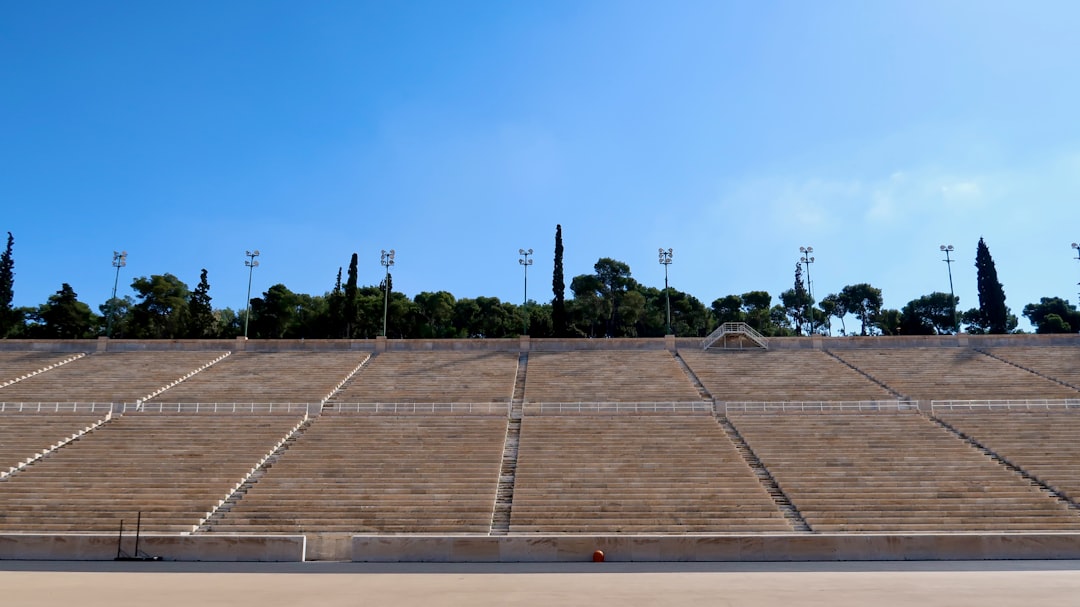
Greece’s approach to tennis development offers a clear blueprint for success. The Hellenic Tennis Federation has invested heavily in youth academies, professional coaching, and international exposure for young players. Tsitsipas himself credits his early training at the Nick Bollettieri Tennis Academy in the United States, a path made possible by strong financial backing from Greek sponsors and the federation. This model has produced not just Tsitsipas, but a pipeline of competitive players who regularly feature on the ATP and WTA tours. The visibility of Greek tennis has also boosted tourism and commercial interest, creating a virtuous cycle of investment.
In contrast, many Balkan countries struggle with fragmented support systems. While nations like Serbia have produced world-beaters such as Novak Djokovic, their success is often attributed to individual resilience rather than systemic strength. Romania and Bulgaria, despite having deep historical ties to tennis, face challenges in maintaining high-quality training facilities and securing consistent funding. This gap is evident in the number of top-50 players from each region and their ability to sustain long-term careers. The disparity is a key topic in regional sports journalism, with calls for greater collaboration and resource sharing among Balkan federations.
Recent reports highlight that Greek players benefit from state-of-the-art indoor and outdoor courts, sports science support, and mental health resources. These amenities are not universally available in neighboring countries. For instance, Bulgarian players often train in facilities that lack modern lighting, court surfaces, or recovery tools. This infrastructure gap affects not only performance but also injury prevention and career longevity. As Tsitsipas continues to compete at the highest level, his success serves as both inspiration and a benchmark for what is achievable with proper support.
Balkan Voices: Dimitrov’s Critique and Regional Reality
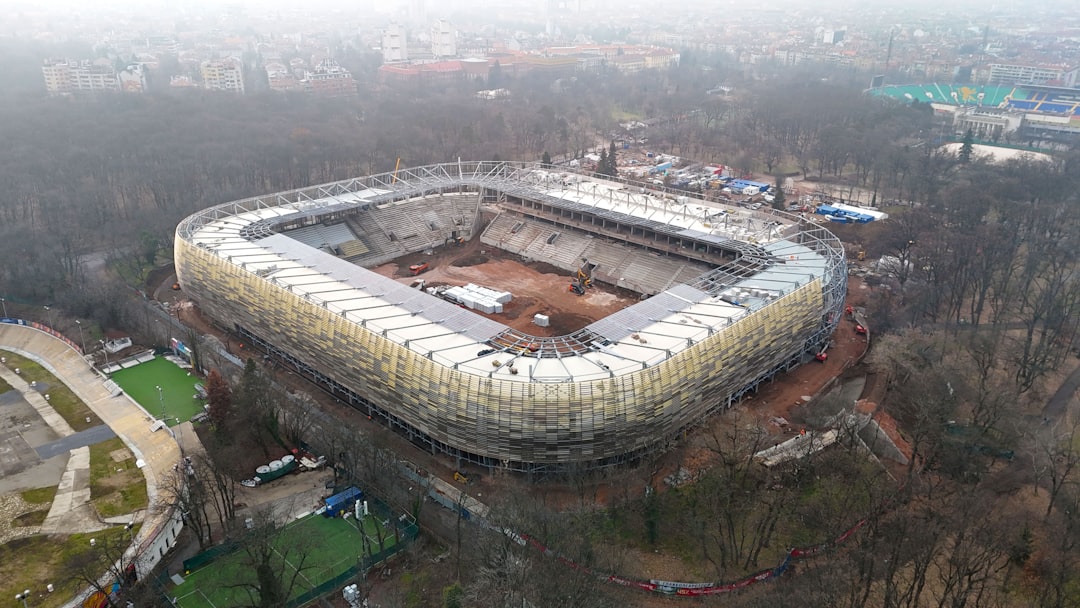
Grigor Dimitrov’s recent comments about the lack of "normal conditions" for tennis in Bulgaria have resonated across the Balkans. The Bulgarian star, who reached the world No. 5 ranking and won the 2017 Australian Open final, has long been a vocal advocate for better sports infrastructure. His remarks, published in Bulgarian media, emphasize that while talent is abundant, the environment for development is not. Dimitrov’s experience reflects a broader sentiment among Balkan athletes who feel they must overcome additional hurdles compared to their European counterparts. His critique is not just personal but systemic, pointing to the need for structural reforms in sports governance.
Dimitrov’s comments align with similar concerns raised by players from Serbia, Romania, and Croatia. While Serbia has leveraged Djokovic’s success to boost its tennis profile, other countries lag behind in institutional support. Romanian players, for example, often rely on private academies or foreign training bases due to limited domestic resources. This reliance on external systems can be costly and unsustainable for many families. The contrast with Greece’s model is stark, where national investment has created a more self-sufficient ecosystem. Balkan audiences are increasingly aware of these disparities, leading to greater public discourse on sports policy and funding.
The impact of these conditions is visible in tournament results and player rankings. While Greek players consistently feature in top-20 lists, Balkan representation is more sporadic. This is not a reflection of talent but of opportunity. Dimitrov’s advocacy, alongside Tsitsipas’s success, underscores the need for a regional approach to tennis development. Collaborative initiatives, shared training facilities, and joint funding models could help level the playing field. Until then, individual athletes will continue to bear the burden of systemic gaps, relying on personal determination to bridge the divide.

Looking Ahead: What This Means for Balkan Tennis
The ongoing discussion about tennis infrastructure in the Balkans is more than a critique of current conditions; it is a call for action. As Stefanos Tsitsipas continues to compete for Grand Slam titles, his success highlights what is possible with adequate support. For Balkan nations, the challenge is to replicate elements of the Greek model while adapting to local contexts. This includes investing in youth development, improving facilities, and creating sustainable funding mechanisms. The goal is not just to produce more top-10 players but to build a resilient tennis culture that supports athletes at all levels.
Future developments will depend on how national federations respond to these challenges. Increased collaboration among Balkan countries could lead to shared resources and joint training programs. Public-private partnerships may also play a role in financing infrastructure projects. As Dimitrov and other athletes continue to advocate for change, their voices may influence policy decisions and funding allocations. The next few years will be critical in determining whether the region can close the gap with western Europe and Greece in tennis development.
For fans and stakeholders, the story of Balkan tennis is one of potential and perseverance. Tsitsipas’s journey offers a roadmap, while Dimitrov’s critique provides a reality check. By addressing systemic issues and investing in the next generation, the Balkans can ensure that talent is not limited by circumstance. The global tennis community is watching, and the region’s response will shape the future of the sport in Southeast Europe.


Comments