


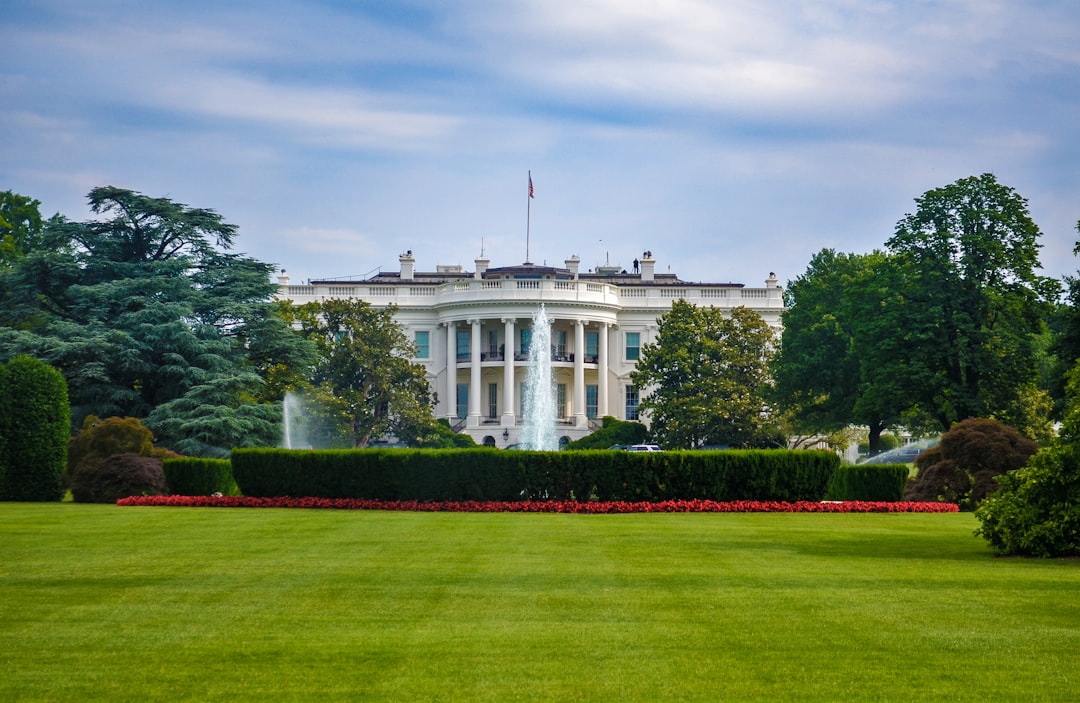
The proposal by former US President Donald Trump to host a UFC-style cage fight at the White House has been met with widespread skepticism and rejection by the American public, according to a new Reuters/Ipsos poll. The suggestion, which Trump made during a recent campaign rally, envisions a high-stakes boxing or mixed martial arts event on the South Lawn of the executive residence. The poll reveals that only a small fraction of Americans support the idea, with the majority viewing it as inappropriate for the nation's most iconic political landmark. This development highlights the growing divide in public opinion regarding Trump's unconventional campaign tactics and his attempts to revitalize his political brand through spectacle.
The controversy has sparked intense debate across social media platforms and news outlets, with critics arguing that such an event would undermine the dignity of the White House. Supporters, however, claim it could draw significant attention to the campaign and energize his base. The proposal has also drawn reactions from international observers, including those in the Balkans, where boxing and MMA have a strong following. The intersection of politics and sports continues to be a contentious topic, with many questioning the appropriateness of mixing these two worlds.
Background and Context of the Proposal
Donald Trump, a former reality television star and businessman, has long been known for his flamboyant personality and willingness to court controversy. His proposal for a White House cage match is the latest in a series of unconventional campaign moves designed to keep him in the public eye. The idea was first introduced during a rally in Pennsylvania, where Trump suggested that hosting a fight could generate significant media coverage and public interest. He framed the event as a way to "bring excitement back to Washington" and "show the strength of American athletes."
The proposal has been met with mixed reactions from political analysts and sports commentators. While some view it as a bold move to differentiate himself from other candidates, others see it as a distraction from more pressing issues. The idea has also been criticized by former White House officials, who argue that the residence should remain a symbol of dignity and decorum. The debate reflects broader concerns about the role of spectacle in modern politics and the extent to which candidates should use unconventional tactics to gain attention.
Public Opinion and Poll Results
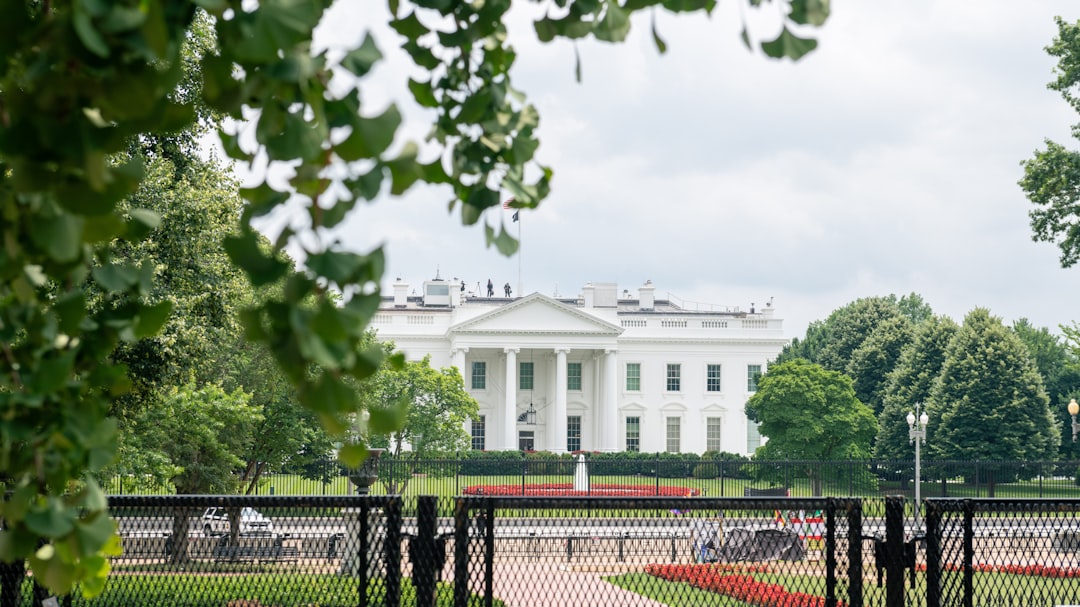
The Reuters/Ipsos poll, conducted in early June 2026, found that only 12% of Americans support the idea of hosting a UFC-style fight at the White House. The majority of respondents, 68%, opposed the proposal, citing concerns about the appropriateness of such an event at a government building. Another 20% were undecided or had no opinion. The poll also revealed significant partisan divides, with only 25% of Republican supporters backing the idea, compared to just 5% of Democratic supporters. These figures suggest that even within Trump's own party, there is limited enthusiasm for the proposal.
The poll results have been widely reported in the media, with many outlets highlighting the low level of public support. Critics have pointed to the findings as evidence that Trump's campaign strategies are out of touch with mainstream public opinion. Supporters, however, argue that the poll reflects a biased sample and that Trump's base remains loyal to his unconventional approach. The debate over the poll's methodology and findings is likely to continue as the election season progresses.
In the Balkans, the poll results have also been noted, with local media outlets discussing the implications for US politics. The region has a strong interest in international sports, and the idea of a White House cage match has sparked curiosity among fans. However, the low level of public support in the US has led many Balkan commentators to question the feasibility of the proposal. The intersection of politics and sports remains a topic of interest, with many wondering how such an event would be received in a more traditional political environment.
International Reactions and Balkan Perspective
The proposal has also drawn reactions from international observers, including those in the Balkans. The region has a strong tradition of boxing and MMA, with many athletes competing at the highest levels. The idea of a White House cage match has sparked interest among fans, who see it as a potential opportunity to showcase the sport on a global stage. However, the low level of public support in the US has led many Balkan commentators to question the feasibility of the proposal. The intersection of politics and sports remains a topic of interest, with many wondering how such an event would be received in a more traditional political environment.
In Serbia, for example, where boxing has a rich history, the proposal has been met with mixed reactions. Some fans see it as a way to elevate the sport's profile, while others argue that it undermines the integrity of the White House. Similar sentiments have been expressed in Croatia and Bosnia, where MMA has gained popularity in recent years. The debate reflects broader concerns about the role of spectacle in modern politics and the extent to which candidates should use unconventional tactics to gain attention.
The international reaction to the proposal highlights the global nature of sports and politics. While the US may be divided on the issue, the proposal has sparked interest in other parts of the world, including the Balkans. The intersection of these two fields continues to be a contentious topic, with many questioning the appropriateness of mixing them. As the election season progresses, the debate over the White House cage match is likely to continue, with both supporters and critics making their case.

As the US presidential election approaches, the debate over Trump's White House cage match proposal is likely to intensify. The low level of public support suggests that the idea may not gain traction, but the controversy has already drawn significant attention. For Balkan audiences, the intersection of politics and sports remains a topic of interest, with many watching to see how the proposal unfolds. The event, if it does happen, would be a historic first, but the current public opinion suggests it is unlikely to occur. The debate reflects broader concerns about the role of spectacle in modern politics and the extent to which candidates should use unconventional tactics to gain attention.

Comments