


Transylvania, the mythical land that conjures images of dark forests, ancient castles, and medieval towns, has long been a magnet for travelers seeking to explore the heart of Romania. This region, steeped in history and folklore, offers a unique blend of Gothic architecture, dense Carpathian forests, and charming rural landscapes. Whether you're a fan of vampire legends, medieval history, or just looking for an adventure off the beaten track, Transylvania is a place that promises to enchant and surprise.
History & Identity
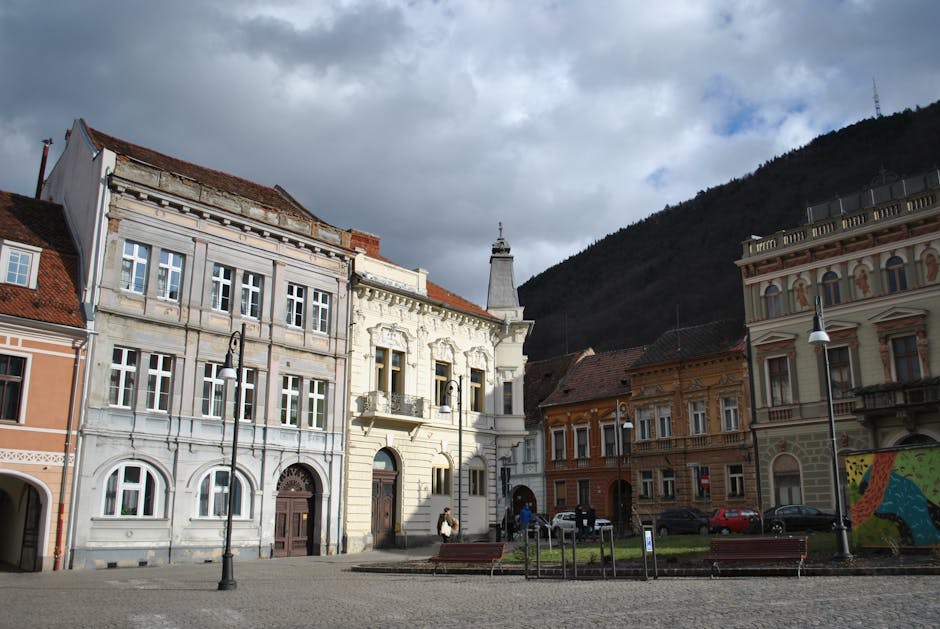
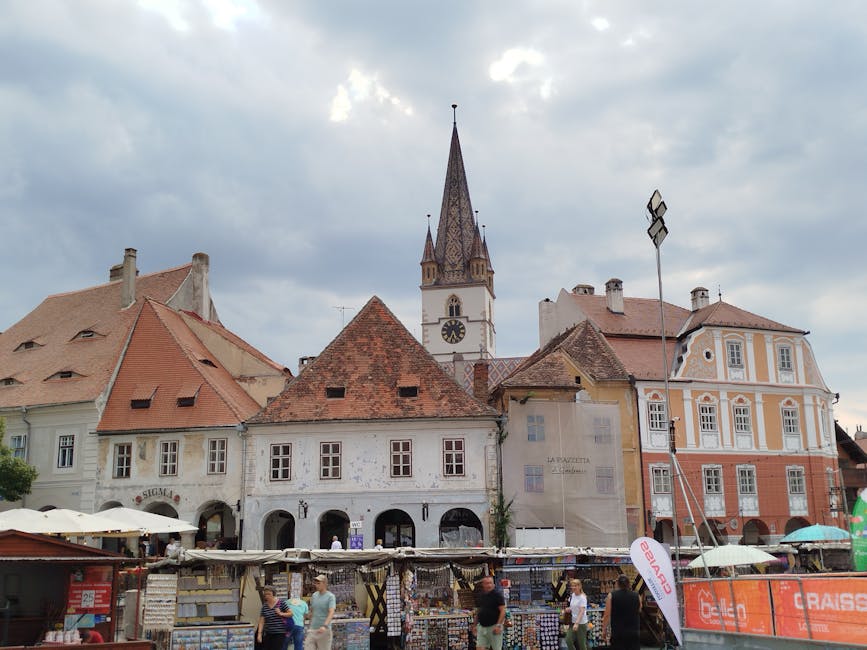
Transylvania's rich history is intertwined with the tales of kings, knights, and the infamous Count Dracula. The region was once home to the Dacians, whose influence can still be seen in the ruins of their fortresses. Following the Dacians, the region was ruled by the Hungarians, Saxons, and Romanians, each leaving their mark on the architecture, culture, and traditions of the land. The medieval towns of Sibiu and Brasov, with their cobblestone streets, fortified churches, and grand squares, serve as living museums of this tumultuous past.
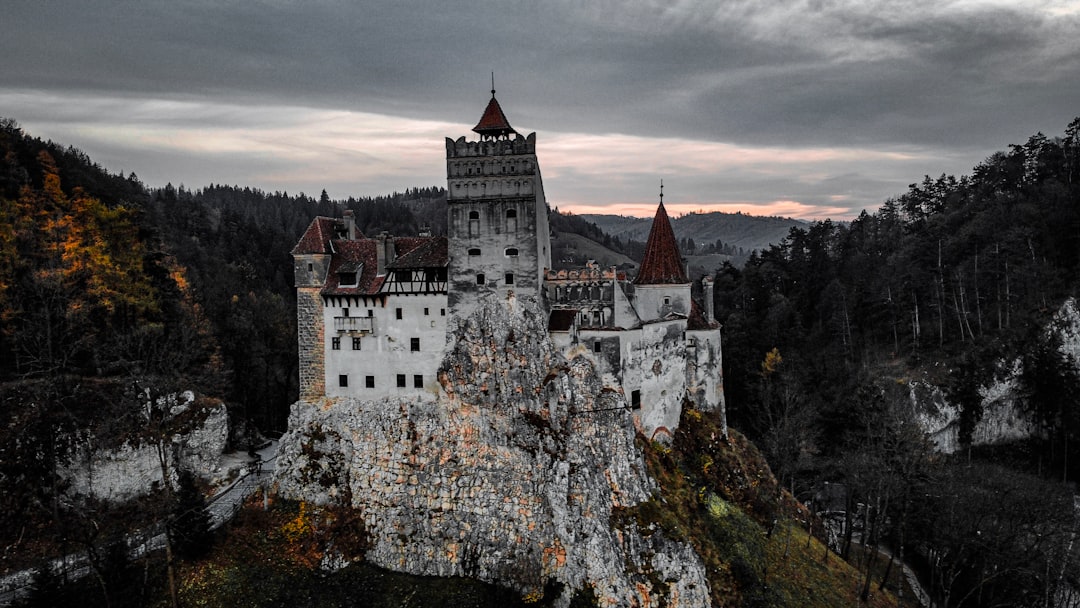
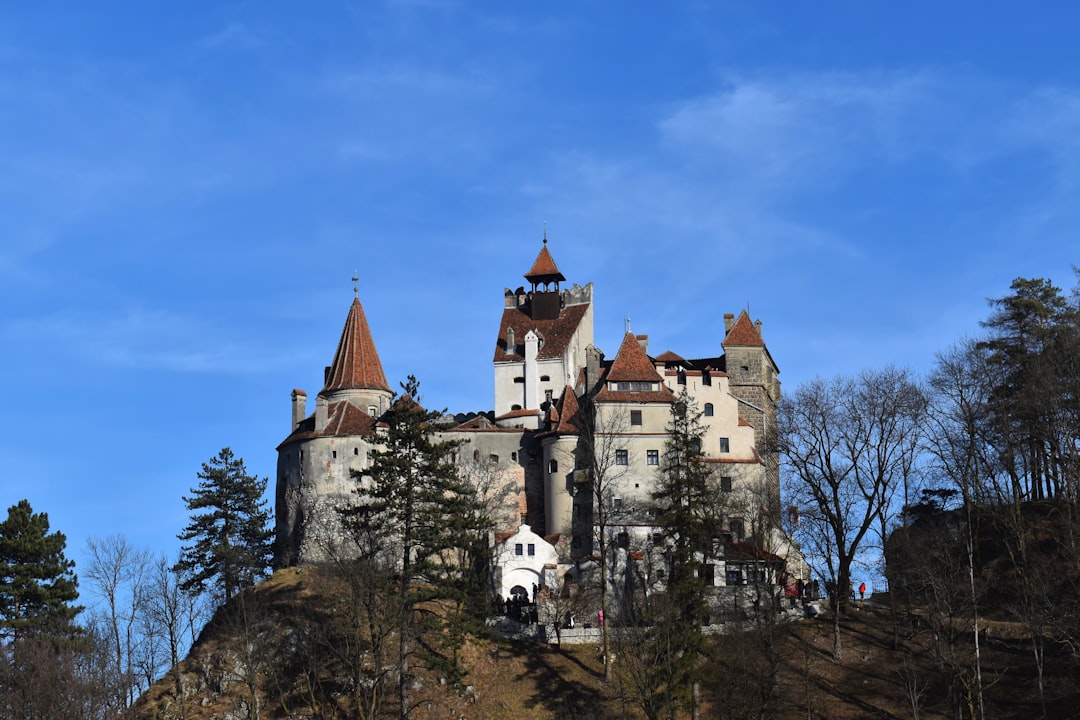
The legend of Dracula, based on the historical figure Vlad the Impaler, has further cemented Transylvania's mystique. Bran Castle, often referred to as "Dracula's Castle," is a prime example of how this legend has become an integral part of the region's identity. However, the real allure of Transylvania lies in its natural beauty and historical significance, which go far beyond the realm of fiction.
Where to Go
Bran Castle — This iconic castle, perched atop a hill and surrounded by dense forests, is often associated with the legend of Dracula. While the castle itself is more of a tourist attraction than a historical site, its picturesque location and the surrounding landscape make it a must-visit. Entry fee is around 25 EUR, and it's best visited in the late afternoon to capture the castle's ethereal glow under the setting sun.
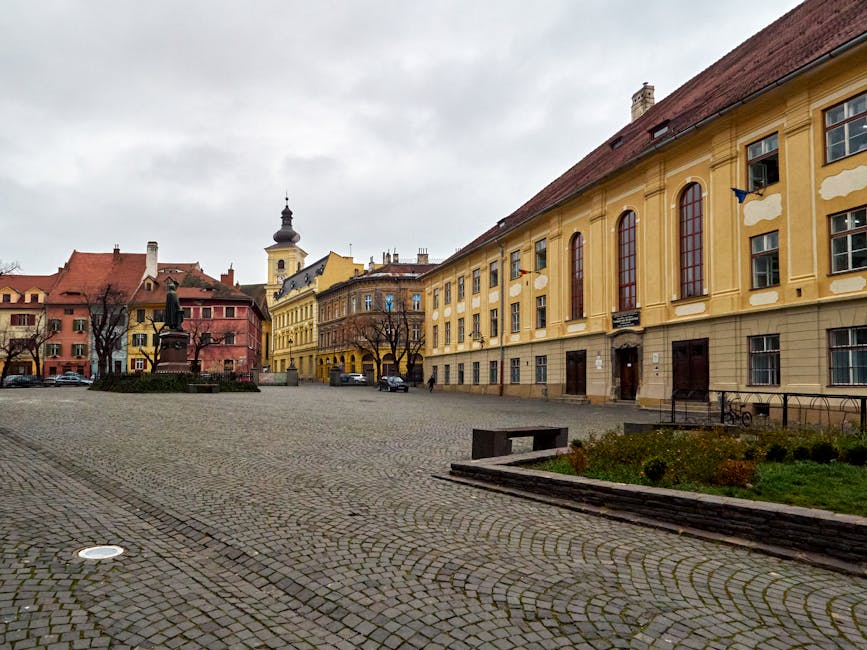
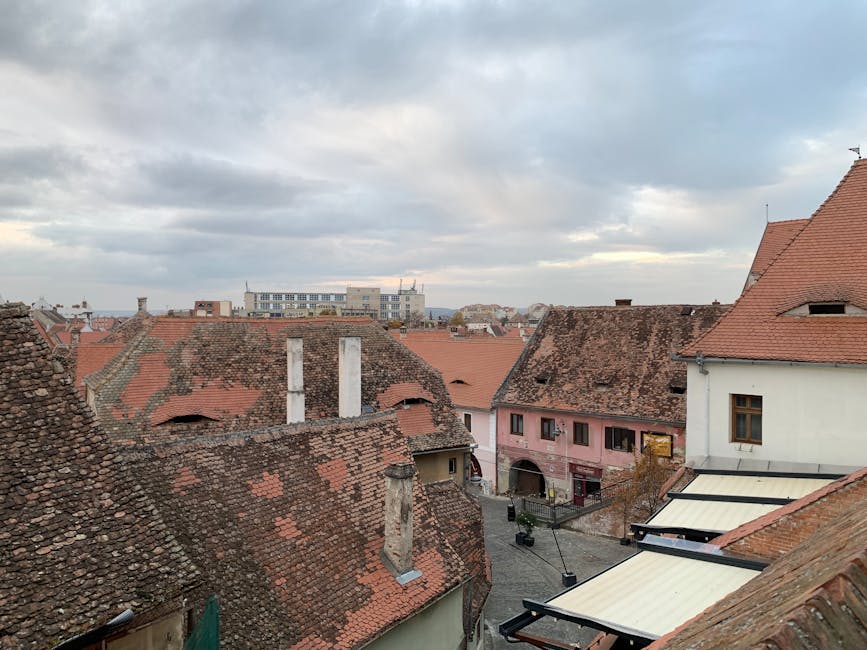
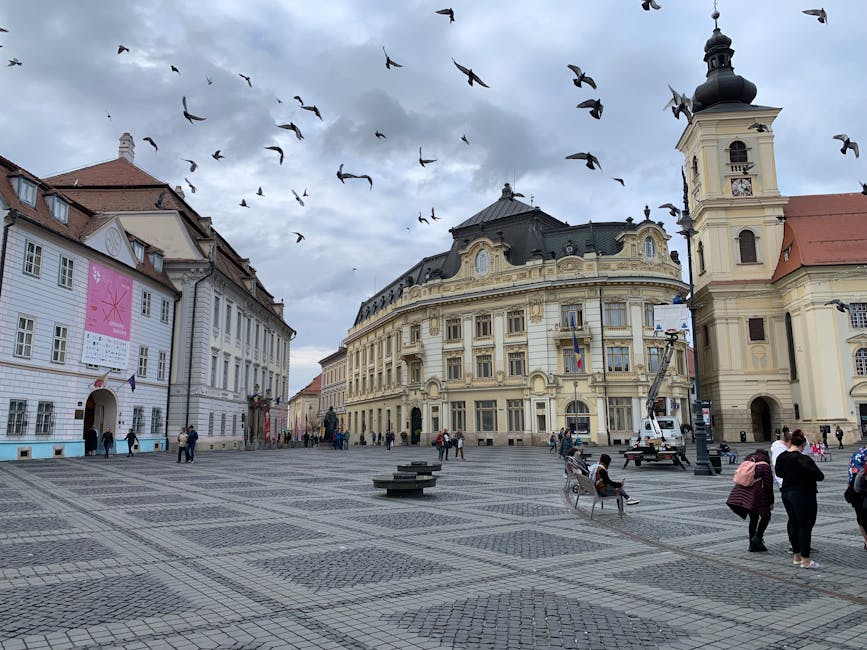
Sibiu — Often referred to as the "pearl of Transylvania," Sibiu is a beautifully preserved medieval town with a charming old town that includes the Black Church, one of the largest Gothic churches in Romania. The town square, with its vibrant cafes and shops, is a great place to soak in the atmosphere. Entry to the Black Church is around 10 EUR, and it's best visited in the morning to avoid the crowds.
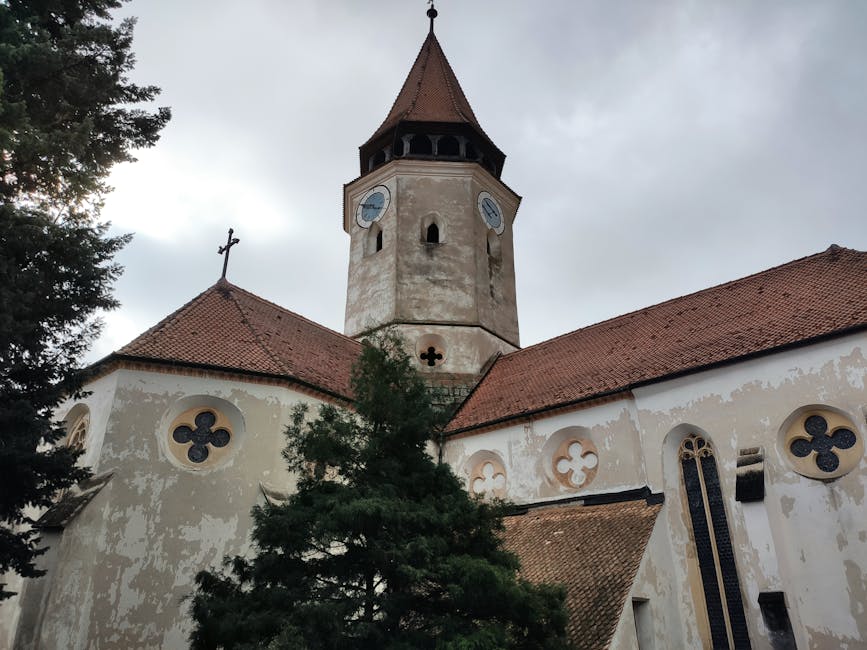
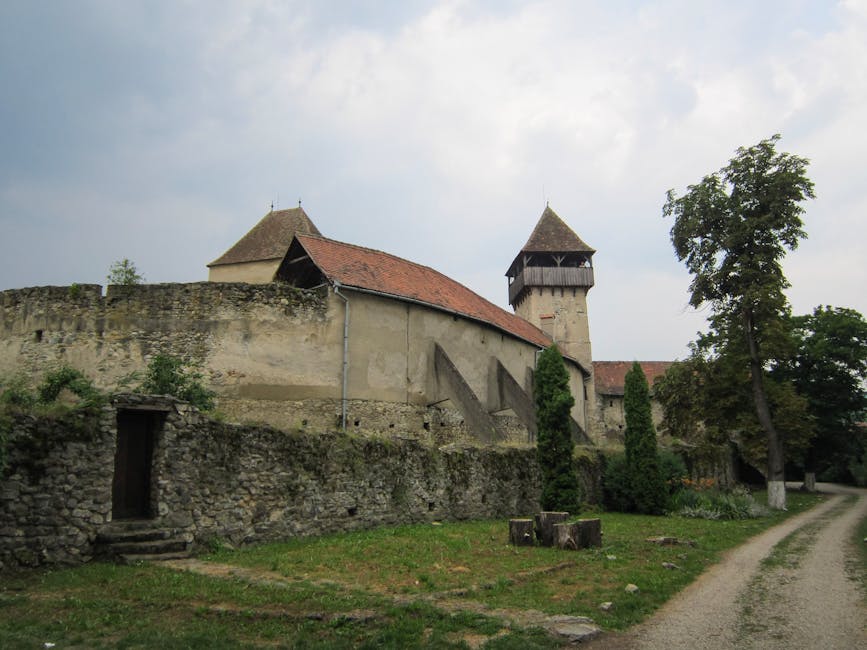
Prejmer Fortress — This well-preserved fortified church is a UNESCO World Heritage Site and a prime example of Gothic military architecture. The fortress, with its massive walls and towers, is a testament to the defensive capabilities of the medieval Saxons who built it. Entry fee is around 15 EUR, and it's best visited in the late afternoon when the light casts dramatic shadows on the walls.
Biertan Fortress — Another UNESCO World Heritage Site, Biertan Fortress is a stunning example of medieval Saxon architecture. The fortress, with its towering walls and ornate church, is a perfect place to explore the history and culture of the region. Entry fee is around 15 EUR, and it's best visited in the morning to avoid the heat of the day.
Transfagarasan Highway
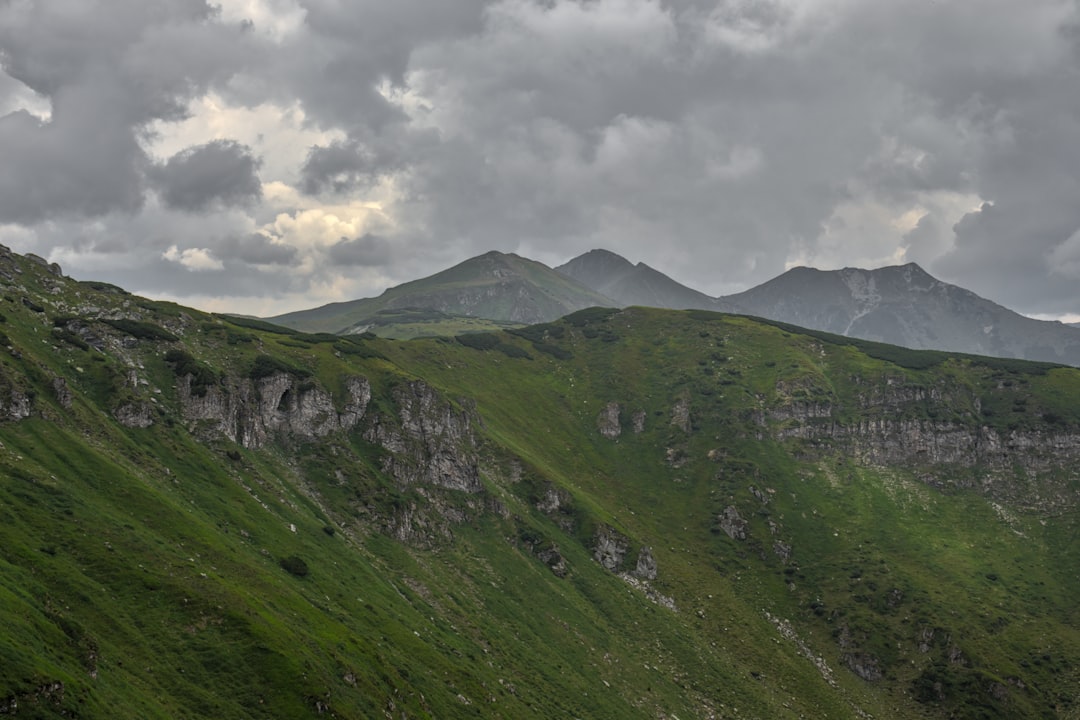
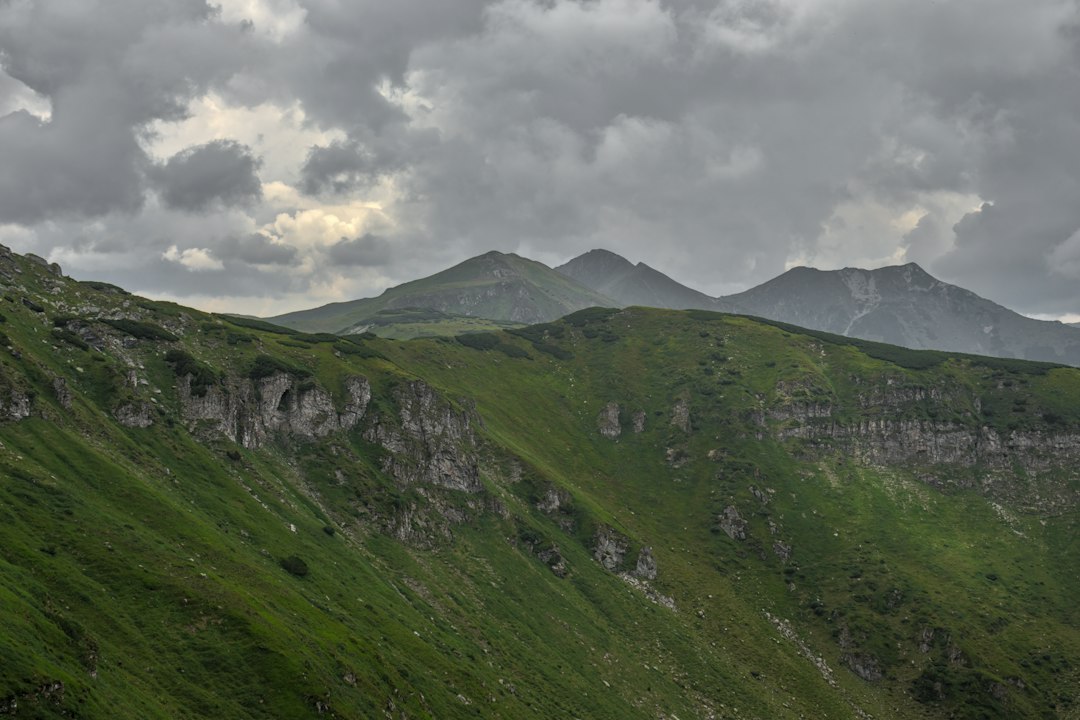
Often called the most scenic road in Europe, the Transfagarasan Highway offers breathtaking views of the Carpathian Mountains. The road, which reaches an altitude of over 2,000 meters, is a thrilling drive through tunnels and over bridges, with stunning views of waterfalls and alpine meadows. The best time to visit is in the summer when the road is open and the weather is favorable.
What to Eat & Drink
Sarmale — These traditional Romanian stuffed cabbage rolls are a hearty and flavorful dish, typically served with sour cream and polenta. A serving costs around 8-10 EUR.
Mamaliga — A type of polenta, this staple food in Romanian cuisine is often served with cheese, sour cream, or meat sauce. A typical portion costs around 5-7 EUR.
Mici — These grilled meat rolls are a popular street food, often served with mustard and bread. A serving costs around 3-5 EUR.
Palinca — A strong plum brandy that is a must-try for those who enjoy local spirits. A bottle costs around 10-15 EUR.
Budget breakdown: Street food / take-away under 5 EUR per meal; sit-down local restaurant 8-15 EUR per person; mid-range 15-25 EUR. Sibiu's Piata Mare and Brasov's Piata Sfatului are great places for a taste of local cuisine.
Nightlife
Sibiu — The nightlife in Sibiu centers around the charming old town, with numerous bars and clubs lining the cobblestone streets. Biroul de Timp, a cozy bar with a diverse cocktail menu, is a popular spot among locals and tourists alike. Entry is free, but expect to spend around 10-15 EUR on drinks. Marele Palat, a larger club with a variety of music genres, is another great option, with cover charges ranging from 5-10 EUR.
Getting There & What to Expect
The nearest major airport is Bucharest Otopeni Airport, with connecting flights to Sibiu and Brasov. From Bucharest, you can take a bus or train, with travel times ranging from 4 to 6 hours and costing around 20-30 EUR. Alternatively, renting a car is a great way to explore the region, with daily rates starting at 50 EUR.
Budget accommodation options include hostels and budget hotels, with prices ranging from 20-40 EUR per night. Mid-range hotels can cost anywhere from 40-80 EUR per night. The best months to visit are from May to September, when the weather is mild and the scenery is at its most picturesque.
Search accommodation in Sibiu on Booking.com →
A Hunter's Tale in Transylvania
I arrived in Sibiu late one evening, my stomach growling and my legs tired from the long journey. The old town was lit up with a warm glow, and the smell of grilled meat wafted through the narrow streets. I found a small restaurant called Casa de Ciorba, where the owner, a gruff but friendly man named Ion, served me a plate of sarmale and a glass of palinca. As I sat there, savoring the meal and the atmosphere, a group of locals walked by, laughing and joking in Romanian. I felt a brief moment of discomfort, a stranger in a land where the language and customs were so different from my own. But as I looked around at the ancient buildings and the friendly faces, I felt a sense of belonging. Transylvania, with its castles, forests, and medieval towns, had truly unveiled itself to me.
Comments