


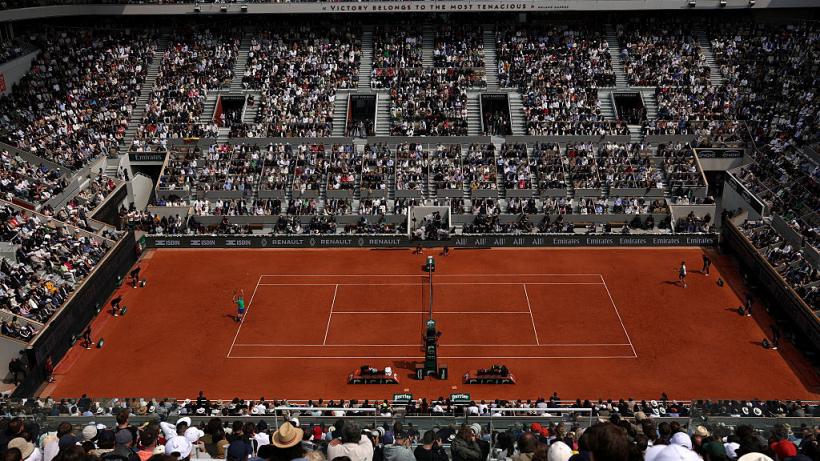
Top tennis players, including Jannik Sinner, Carlos Alcaraz, Jasmine Paolini, and Aryna Sabalenka, among 16 other ATP and WTA superstars, have signed an official letter accusing the organizers of Grand Slam tournaments of profiting at the expense of athletes. They claim that while the tournaments rake in millions of dollars, the players receive disproportionately small rewards.
The letter states, "The Grand Slam tournaments are making a lot of money, and it's increasing every year, but for us, the athletes, the protagonists, it leaves only crumbs." According to La Repubblica, the players are prepared to begin a boycott of matches in Paris, starting at the end of the month.
Italian player "Jas" Paolini emphasized this point at the Foro Italico: "This is certainly a topic being discussed in the locker room. We are fighting for better and fairer arrangements for players, including pensions and maternity leave. This is something the WTA and ATP are already working on, but the Grand Slam tournaments are not making the same effort because they generate the most revenue. If we are all united, and we are now, we can achieve a boycott."
The French Tennis Federation, which manages the prestigious Roland Garros tournament, has offered players a prize fund of 61.7 million euros for this year. This represents a 9.53% increase from last season and almost double (+45%) from 2019. Players in lower brackets and those eliminated in early rounds will benefit the most proportionally.
The disparity in earnings is stark. While top players might receive substantial payouts, for many others, it's not as lucrative. In the U.S., American football, basketball, and baseball stars earn roughly half of their league's total revenue. In ATP and WTA tournaments, tennis players earn approximately 22%, while at Grand Slam tournaments, this figure drops to a meager 15%.
“As Roland Garros is set to record another record turnover, players are receiving a smaller and smaller share of the value they contribute to creating,” wrote the 20 players in their letter. “Other major international sports are modernizing governance, aligning stakeholders, and building long-term value, while the Grand Slam tournaments remain resistant to change. The lack of player consultation and persistent lack of investment in their well-being reflect a system that inadequately represents the interests of those essential to the sport’s success.”



Comments