


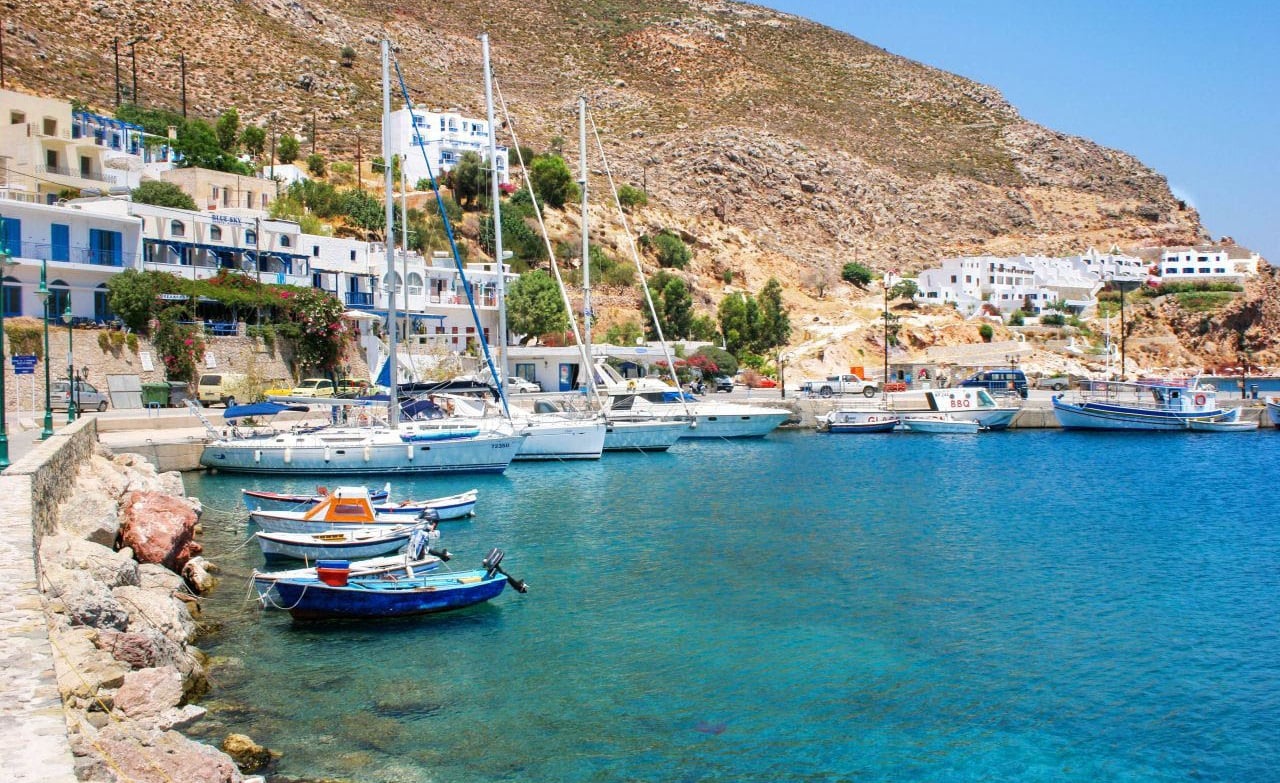
The Greek island of Tilos has gained international acclaim for its near-zero-waste model and sustainable tourism initiatives. As a leading example of environmentally conscious living, the small island in the Dodecanese has implemented an innovative waste management system that has drastically reduced landfill waste.
Tilos has embraced a “zero-waste” approach by encouraging residents and businesses to separate waste at its source. This system involves a door-to-door collection process, part of the Just Go Zero Tilos project, which has removed traditional public rubbish bins. The island converts organic waste into compost and processes recyclable materials for reuse, with only a small percentage of residual waste requiring further treatment.
According to the European Circular Economy Platform, Tilos has achieved recycling and composting rates close to 90 percent, significantly decreasing the amount of waste sent to landfill. The island’s success is largely attributed to the active participation of its approximately 800 permanent residents, whose daily commitment to recycling and sustainable living has transformed Tilos into a model for environmentally conscious tourism.
Visitors notice the difference with clean streets, minimal litter, and an absence of overflowing bins, which are common in many busy summer destinations. Beyond waste reduction, Tilos has also gained recognition for its renewable energy initiatives, including solar and wind power, further reinforcing its reputation as a pioneer in sustainable island living.
Despite its growing international profile, Tilos has retained its peaceful atmosphere and authentic charm. Known for its biodiversity, scenic hiking routes, and picturesque locations such as Megalo Chorio, Mikro Chorio, and beaches like Eristos Beach, Livadia, and Plaka Beach, the island offers a unique experience.
As global tourism destinations face increasing environmental pressures, Tilos is seen as a blueprint for balancing tourism, sustainability, and quality of life. Its success demonstrates that small islands can lead the way in sustainable practices.


Tilos is a shining example of how small islands can lead the way in sustainable tourism. Can other Mediterranean islands follow in its footsteps or are they too far gone? What do you think?