


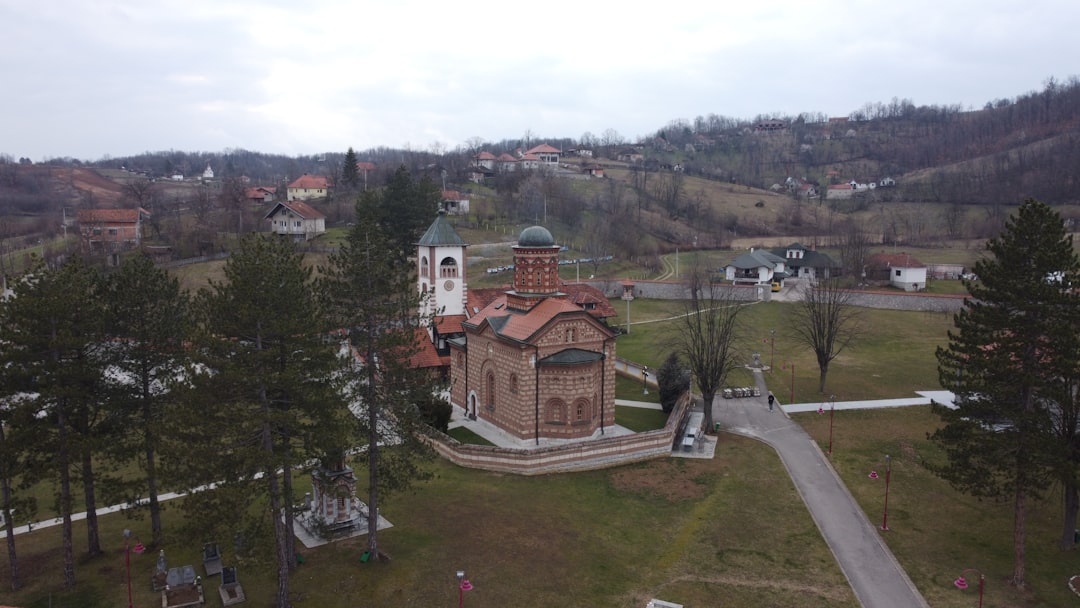
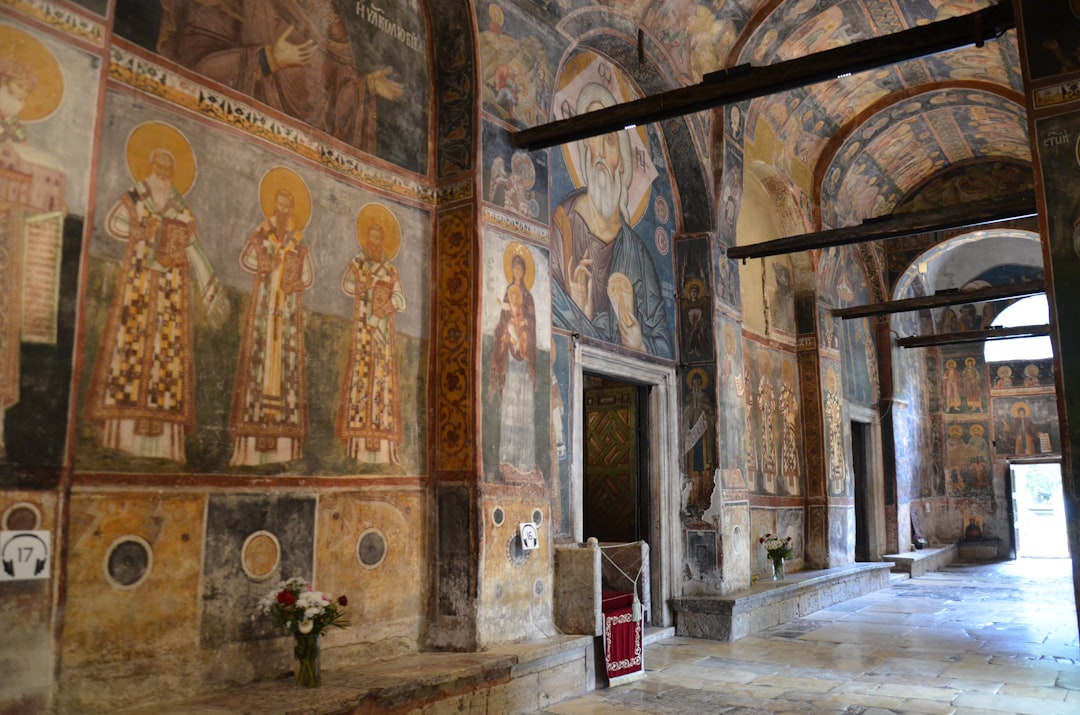
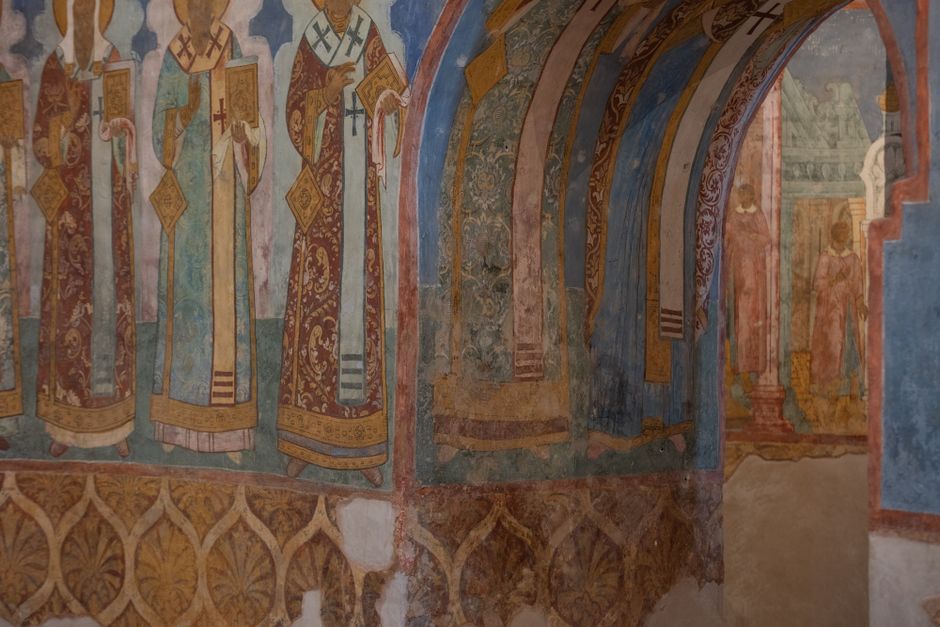
The air inside the Studenica Monastery doesn't just feel old; it feels pressurized. I stepped out of the blinding Serbian sun and into the nave of the Church of the Virgin, and the temperature dropped ten degrees in a single stride. It wasn't just the stone walls. It was the weight of the paint. Studenica is not a ruin waiting for a brochure. It is a fortress of faith built by King Stefan Nemanja in the early 12th century, and the silence here is aggressive. A local guide, a woman with eyes as sharp as the chisel marks on the surrounding limestone cliffs, told me to stop staring at the ceiling and look at the feet of the saints. "The devil is in the details," she said, pointing to a demon in the lower register of a fresco. "But God is in the faces." I spent the next six hours trying to decode a language written in egg yolk and mineral pigment, a visual theology that survived Ottoman occupation, Yugoslav wars, and the slow erosion of indifference.
Most travelers rush through the Balkans, chasing the next coastline or the next mountain peak. They miss the quiet, terrifying power of places like this. Studenica isn't a backdrop for a selfie. It's a mirror. The frescoes don't just depict biblical scenes; they depict the political legitimacy of the Nemanjić dynasty, the philosophical struggles of the medieval mind, and the raw, unvarnished emotion of human suffering. Walking through the corridors, I felt less like a tourist and more like an intruder in a sacred library. The dust motes dancing in the shafts of light seemed to carry the whispers of monks who prayed here eight centuries ago. This is not a place for passive observation. It demands engagement.
History & Identity
Studenica was founded in 1190 by Stefan Nemanja, the first ruler of the Serbian Nemanjić dynasty, after he abdicated the throne and became a monk. He named it after the cold spring that bubbles up from the limestone rock nearby. The monastery was not just a religious center; it was a statement. In a region fragmented by feudal lords and Byzantine influence, Nemanja used Studenica to assert Serbian independence and spiritual autonomy. The architecture itself is a hybrid: Byzantine in its structural logic, but distinctly Serbian in its spatial arrangement and decorative motifs. The Church of the Virgin, the oldest part of the complex, is a masterpiece of medieval engineering, with its massive walls and narrow windows designed to keep the interior cool and the light controlled.
The frescoes were added in waves over the next two centuries. The earliest layer, from the early 13th century, shows the influence of Constantinopolitan art, with its rigid hierarchies and gold backgrounds. But as the Nemanjić dynasty rose to power, the style evolved. The frescoes became more dynamic, more emotional, more human. The faces of the saints lost their icy detachment and gained a warmth that feels startlingly modern. This evolution mirrors the political trajectory of Serbia itself: from a peripheral principality to a regional power, and then, tragically, to a conquered land. The frescoes are not just religious art; they are a historical document, a visual chronicle of a nation's soul.
Where to Go
The Church of the Virgin — The heart of the monastery, this is where the oldest and most significant frescoes are located. The nave is dominated by the monumental depiction of the Last Judgment, a scene so vivid and terrifying that it has been called the "Sistine Chapel of the Balkans." The entry fee is for foreigners, which is roughly 8 EUR. The best time to visit is early morning, when the light is soft and the crowds are thin. The silence here is profound, and you can hear your own breathing.
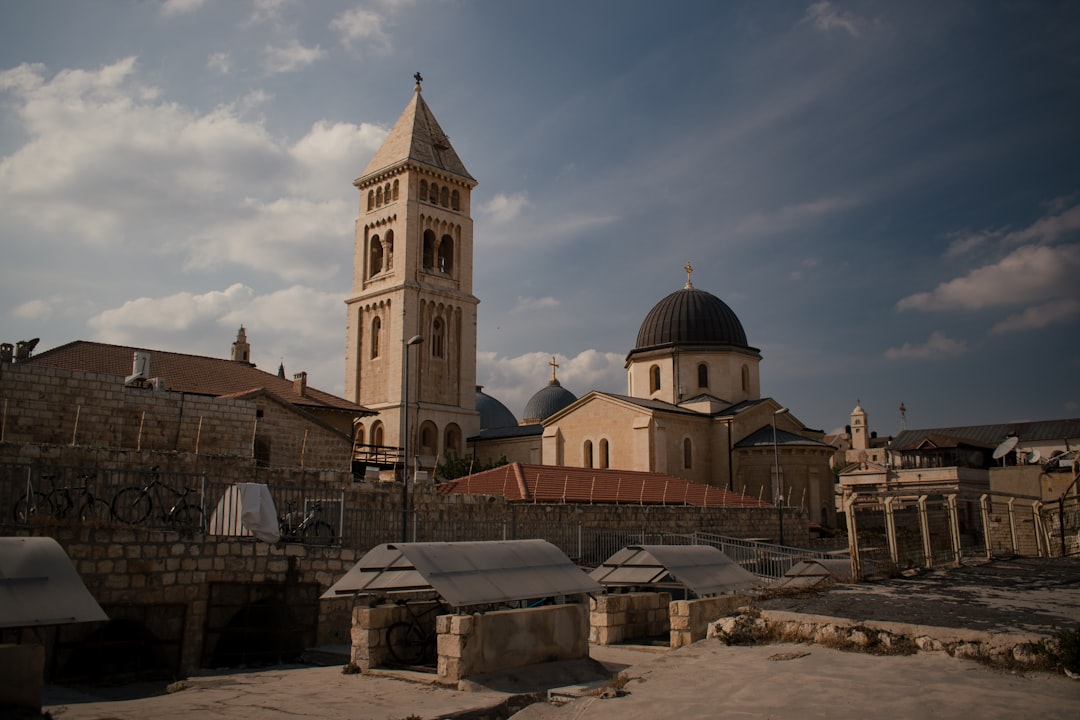
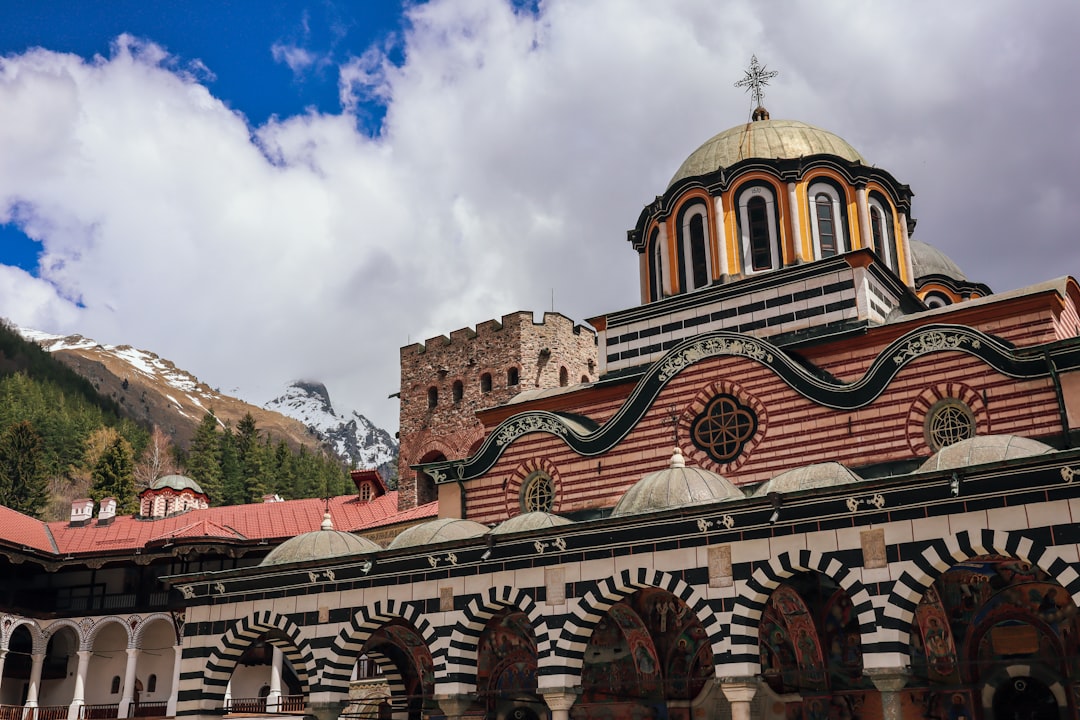
The Church of St. John the Baptist — Built later, in the 16th century, this church was commissioned by the Ottoman governor Hadum Sokolović Pasha, a convert from the Nemanjić lineage. It's a smaller, more intimate space, with frescoes that reflect the complex relationship between Serbia and the Ottoman Empire. The architecture is a blend of Byzantine and Ottoman styles, with a distinctive dome and intricate stone carvings. Entry is included in the monastery complex ticket.
The Nemanjić Mausoleum — The remains of Stefan Nemanja and his son Stefan the First-Crowned are interred here, in silver coffins that have been moved and hidden multiple times over the centuries. The mausoleum is a small, somber room, with a simple cross marking the spot. It's a place of pilgrimage for many Serbs, and the atmosphere is heavy with reverence. Visitors are asked to remove their shoes and speak in hushed tones.
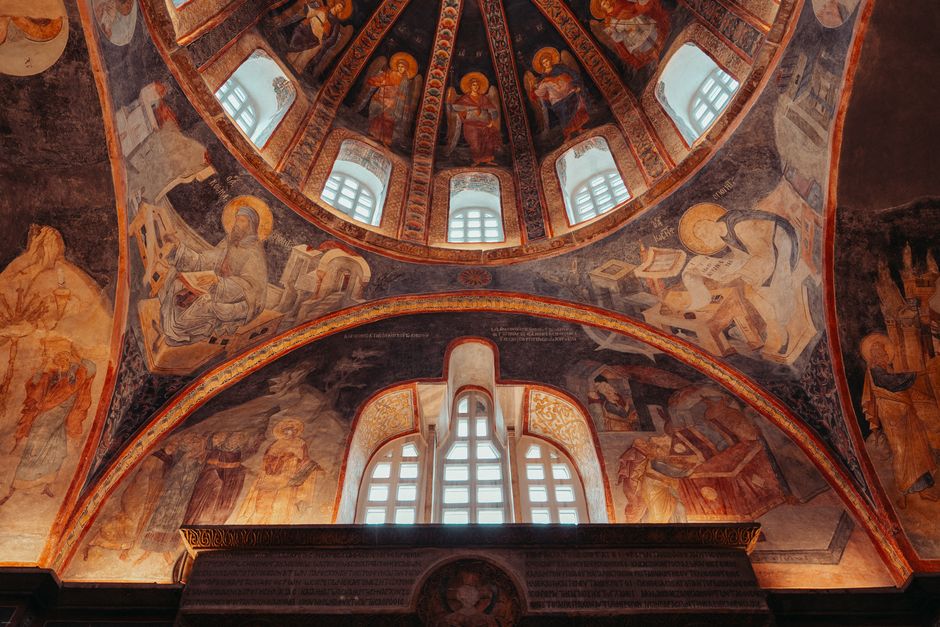
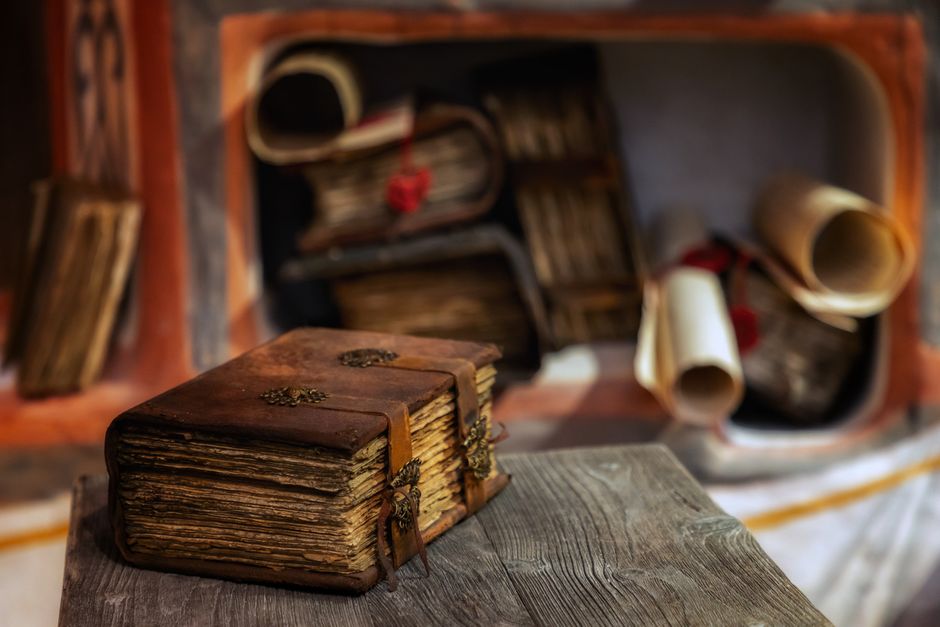
The Monastery Library — A small but significant collection of medieval manuscripts and icons, some dating back to the 12th century. The library is not always open to the public, but it's worth asking the monks if you can see it. The manuscripts are fragile, and they are kept in a climate-controlled room, but the sheer age and beauty of the texts are breathtaking. It's a reminder of the intellectual life that flourished in the monastery during its golden age.
What to Eat & Drink
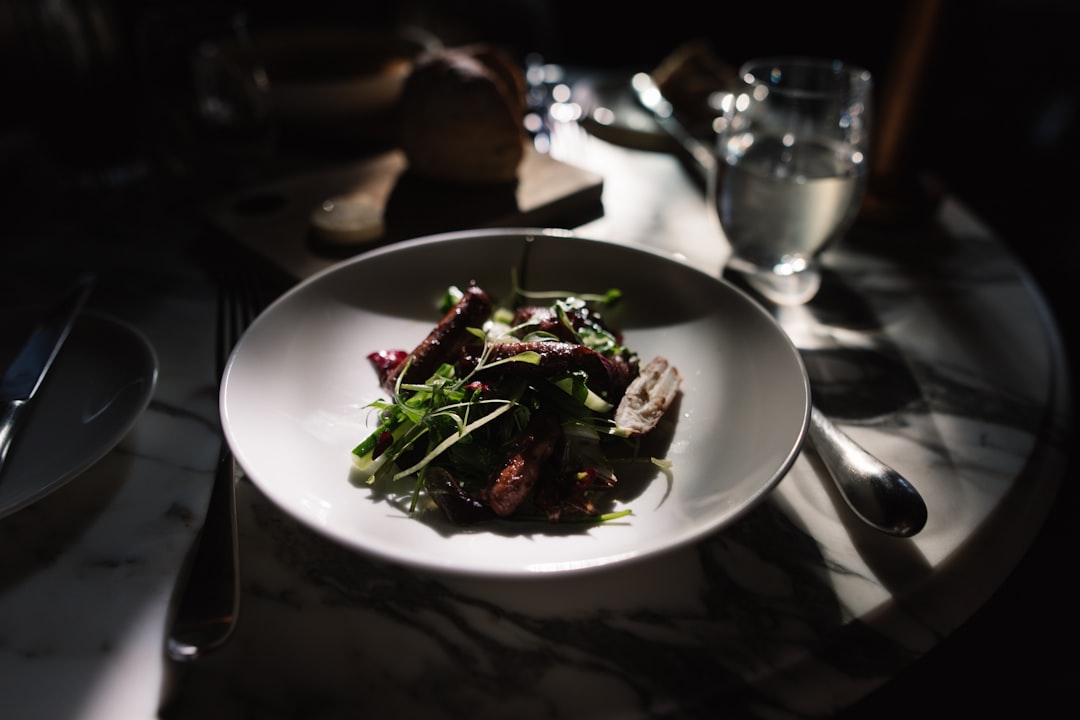
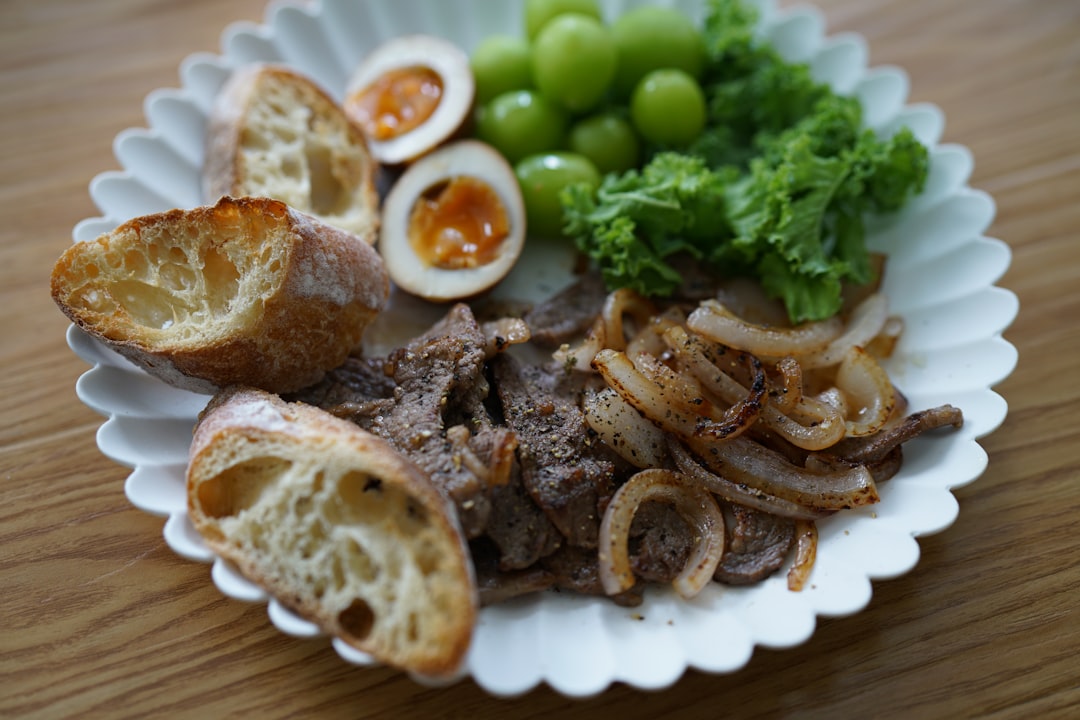
The monastery itself has a small canteen, but the real food is in the nearby town of Ražanj. The region is known for its pork dishes, and you can't leave without trying roasted pork 5-8 EUR served with potato salad 2-3 EUR. The pork is slow-roasted in a traditional oven, and the meat is so tender it falls off the bone. The potato salad is creamy and tangy, with a hint of dill. It's simple, hearty, and deeply satisfying. For a lighter option, try ayran 1-2 EUR, a yogurt-based drink that is refreshing and cooling. It's a staple in Serbian households, and it pairs perfectly with the rich, fatty pork.
If you're looking for a sit-down meal, the Hotel Studenica has a restaurant that serves traditional Serbian cuisine. The ćevapi 4-6 EUR are small, grilled sausages served with lepinja, a flatbread that you use to scoop up the meat. The sarma 5-7 EUR is cabbage rolls stuffed with minced meat and rice, simmered in a tomato-based sauce. It's a comfort food dish, and it's made with care. The restaurant is simple, but the food is excellent, and the prices are reasonable.
Nightlife
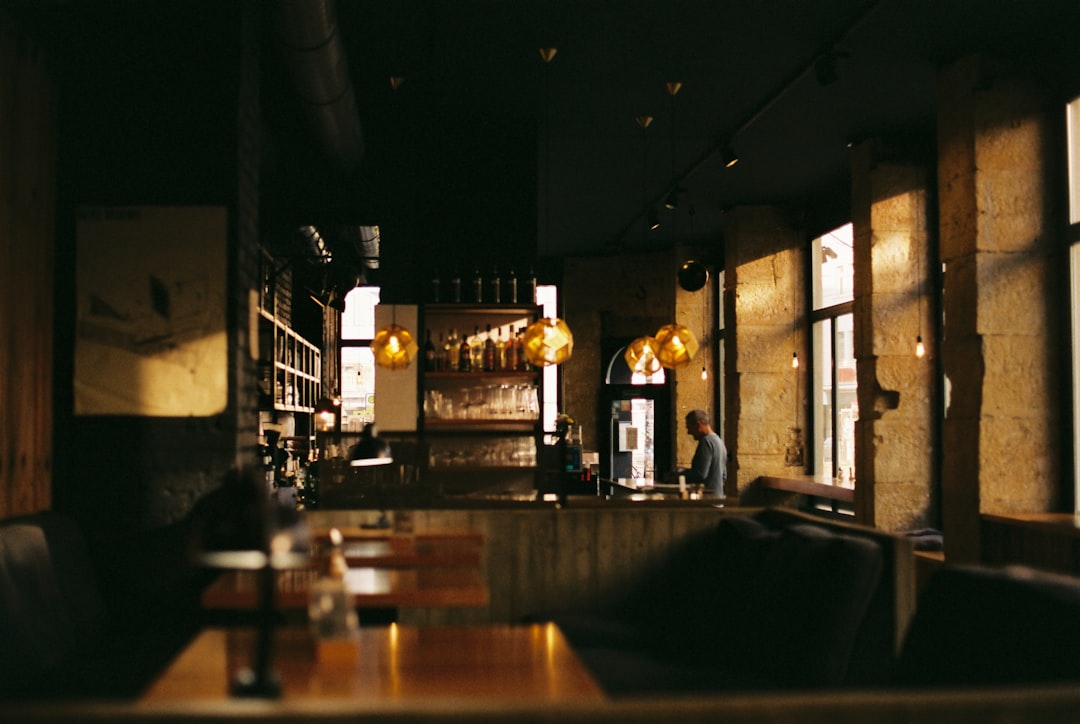
Let's be clear: Studenica is not a nightlife destination. The nearest town with any semblance of a night scene is Ćuprija, about 30 kilometers away. There, you'll find a few bars and a couple of small clubs, but the options are limited. The Hotel Studenica has a bar, but it closes early, and the atmosphere is more about quiet conversation than partying. If you're looking for a night out, you'll need to head to Belgrade or Kragujevac. But honestly, after a day of walking through the frescoes of Studenica, the last thing you want is a loud bar. You want a quiet glass of loza, a local white wine, and a chance to reflect on what you've seen.
Getting There & What to Expect
The nearest major city is Ćuprija, about 30 kilometers from Studenica. You can get there by bus from Belgrade , which takes about two hours. From Ćuprija, you can take a taxi to Studenica , or you can hitchhike if you're feeling adventurous. The road is scenic, winding through the Rtanj mountain range, with views of the surrounding countryside. If you're driving, the road is well-maintained, and there's plenty of parking at the monastery. The best months to visit are April to June and September to October, when the weather is mild and the crowds are smaller. Summer can be hot, and the crowds can be overwhelming.
Accommodation options are limited. The Hotel Studenica is the only hotel on-site, and it's basic but clean. A double room costs around 25-40 EUR per night. There are also a few guesthouses in the nearby villages, but they're not always easy to find. If you're on a budget, you can camp in the surrounding area, but be respectful of the monks and the local residents. The monastery is a working religious site, and it's important to behave accordingly. Dress modestly, remove your shoes before entering the churches, and ask permission before taking photos. The frescoes are fragile, and the monks are protective of their heritage.
Search accommodation in Cuprija on Booking.com →
The Weight of the Paint
I left Studenica as the sun was setting, casting long shadows across the limestone cliffs. The frescoes were still in my head, the faces of the saints and the demons still burning in my memory. It's a place that stays with you, not because of its beauty, but because of its intensity. The Nemanjić dynasty may be gone, but their legacy lives on in those walls. The frescoes are a testament to the power of art to transcend time and space, to speak to us across the centuries. As I walked back to my car, I felt a strange sense of gratitude. I had been allowed to peek into a world that is normally hidden from view, a world of faith and doubt, of beauty and terror. And I knew that I would never forget it.
Comments