


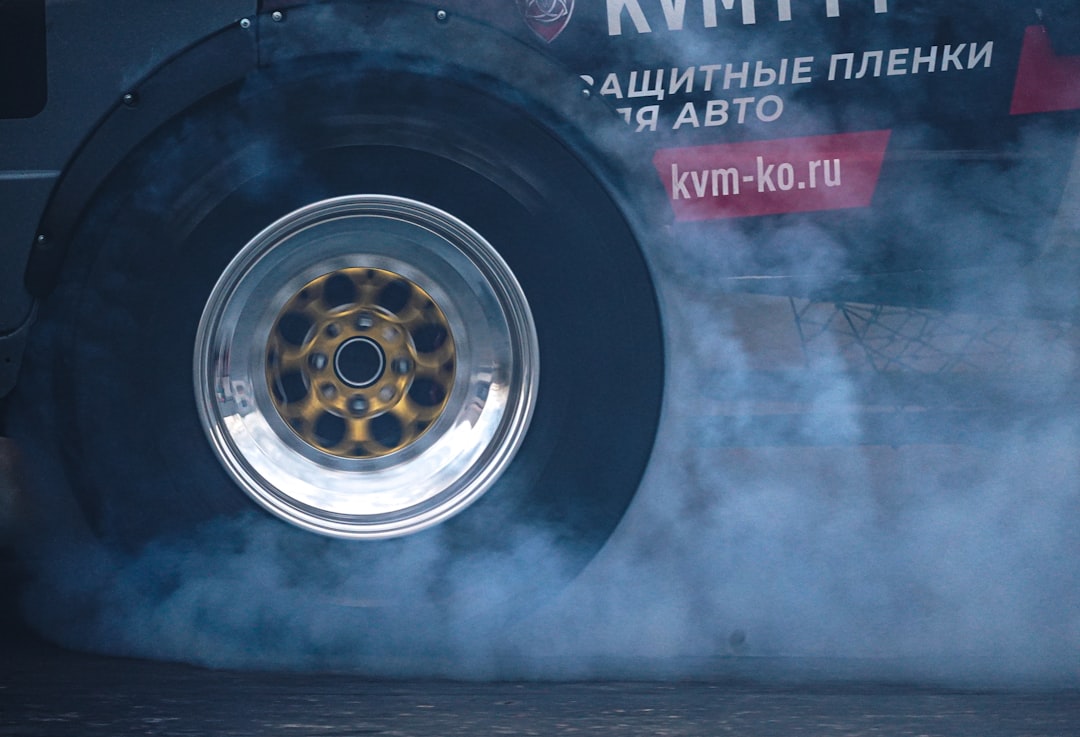
The search term "дрифт" (drift) has surged across Google Trends in Bulgaria and surrounding Balkan nations, reflecting a deepening regional fascination with motorsport culture. This spike coincides with the upcoming season of the World Rallycross Championship and local grassroots events that are bringing high-speed automotive stunts into the mainstream spotlight. For Balkan audiences, drifting is no longer just a niche hobby practiced in empty industrial zones; it has evolved into a recognized competitive discipline with growing commercial sponsorship and international participation. The trend highlights a broader shift in youth culture, where automotive enthusiasm intersects with digital media, creating a vibrant community that spans from Sofia to Belgrade and beyond.
At the heart of this movement is the technical mastery required to control a vehicle in a controlled oversteer, a skill that demands precision and courage. The surge in interest is not merely about spectacle; it is about the engineering ingenuity behind modified vehicles capable of sustaining high-speed slides without losing control. As local clubs organize sanctioned events, the barrier to entry for aspiring drivers is lowering, while the stakes for professionals are rising. This article explores the mechanics of the sport, its rapid growth in the Balkans, and why this automotive phenomenon is capturing the imagination of a new generation of fans.
The Mechanics and Global Context of Drifting
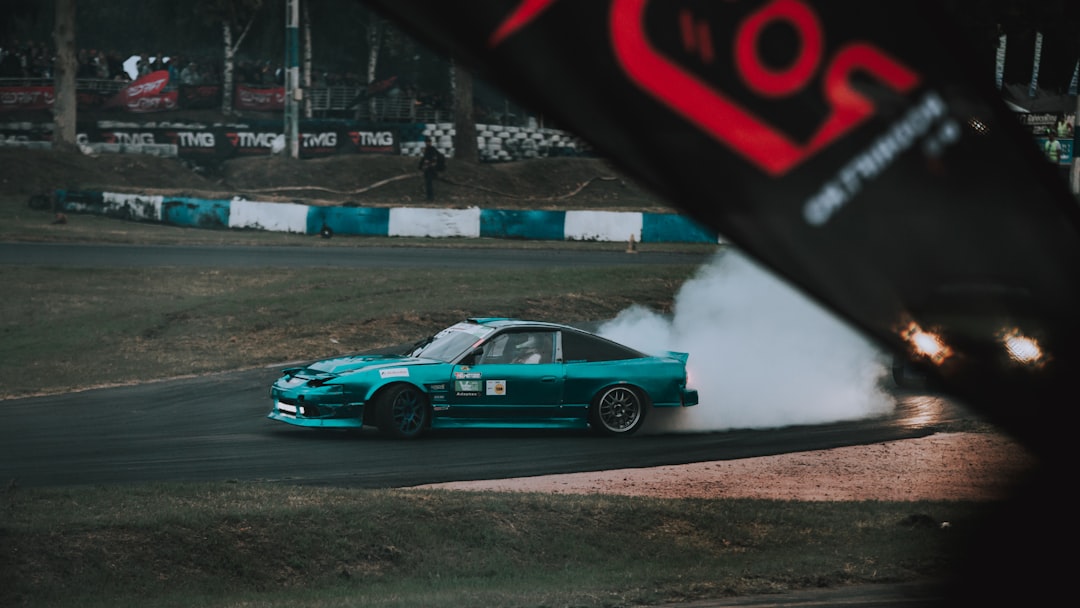
Drifting involves driving a car at the limit of traction, causing the rear wheels to lose grip while the driver maintains control through steering, throttle, and brake modulation. Unlike rally racing, which prioritizes speed over varied terrain, drifting is judged on style, angle, speed, and line execution. The sport gained global prominence through the Formula Drift series in the United States and the D1 Grand Prix in Japan, establishing a standard that local competitions now emulate. In the Balkans, the technical aspect is particularly revered, with enthusiasts investing heavily in rear-wheel-drive platforms like the Toyota AE86, Nissan Silvia, and BMW E30, which are renowned for their balanced chassis and tunability.
The global infrastructure for drifting includes standardized safety protocols, timing systems, and judging panels that ensure fairness and consistency. Balkan organizers are increasingly adopting these international standards to elevate the professionalism of local events. This alignment with global norms allows top regional drivers to compete in European championships, such as the International Standard of Drifting (ISD). The technical depth of the sport appeals to automotive engineers and mechanics, fostering a culture of innovation where custom-built engines and suspension setups are showcased. This blend of art and engineering is what distinguishes drifting from other motorsports, making it a unique spectacle for both participants and spectators.
The Balkan Drift Scene: Community and Competition
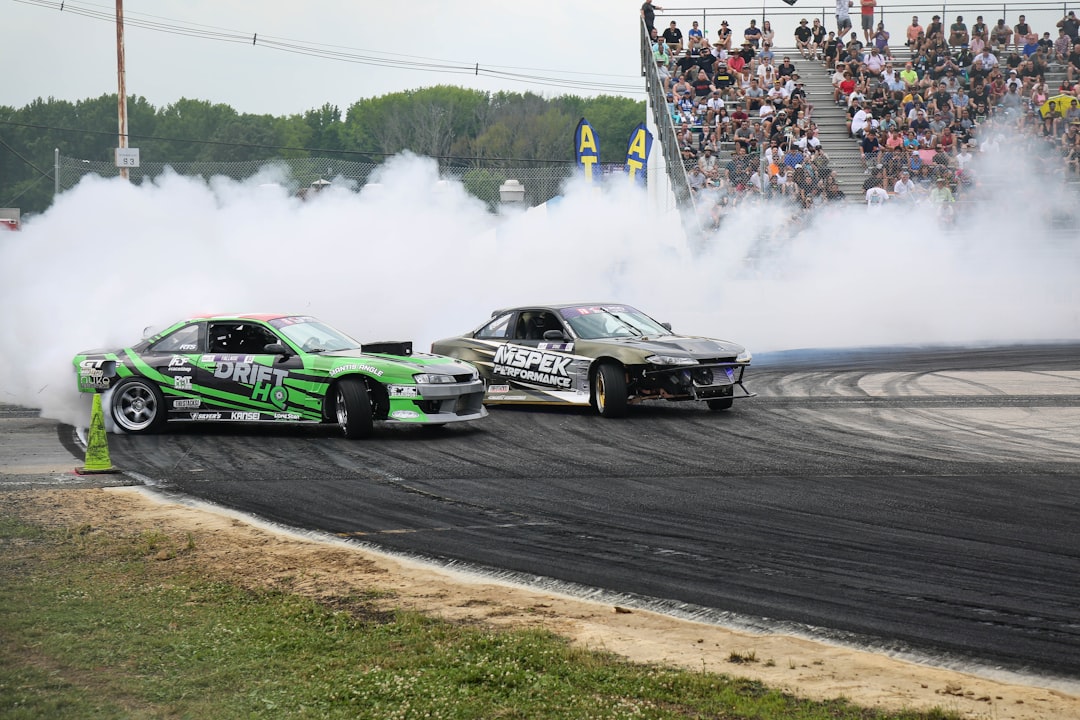
In Bulgaria, Serbia, and Croatia, the drift community has grown from informal gatherings to organized leagues with dedicated venues. Cities like Sofia, Belgrade, and Zagreb have emerged as hubs for automotive culture, hosting regular drift days where drivers can test their skills on purpose-built tracks. These events serve as crucial stepping stones for young talent, providing a platform to gain experience and visibility. Local clubs, such as the Bulgarian Drift Federation, play a pivotal role in regulating competitions, ensuring safety, and promoting the sport to a wider audience. The sense of camaraderie among participants is strong, with drivers often sharing technical knowledge and supporting each other in vehicle maintenance and upgrades.
The economic impact of this growing scene is also notable, with local businesses sponsoring events and offering services related to vehicle modification. Car workshops, tire dealers, and automotive accessory shops benefit from the increased demand for performance parts. Additionally, the tourism sector sees a boost as enthusiasts travel across borders to attend major drift festivals. The cross-border nature of the Balkan drift community fosters regional cooperation, with drivers from different countries competing and collaborating in shared events. This regional unity is a testament to the power of shared interests in bridging cultural and political divides, creating a network of enthusiasts who are connected by their passion for motorsport.
Why This Trend Matters: Safety, Media, and Future Growth
The surge in interest in drifting raises important questions about safety and regulation. Unlike street racing, which is illegal and dangerous, organized drifting takes place in controlled environments with safety barriers, medical support, and strict rules. Promoting these sanctioned events is essential to steer enthusiasts away from risky behavior on public roads. Educational initiatives led by local federations aim to teach proper driving techniques and safety protocols, emphasizing that drifting is a skill-based sport that requires training and respect for the vehicle and the environment. By highlighting the professional and safe aspects of the sport, organizers can mitigate potential risks and gain public acceptance.
Media coverage, particularly on social media platforms like Instagram and TikTok, has played a significant role in popularizing drifting. High-quality videos of drift battles, vehicle builds, and behind-the-scenes content attract millions of views, drawing in a younger demographic. This digital exposure has created new opportunities for drivers to build personal brands and secure sponsorships. For Balkan audiences, seeing local heroes succeed on the global stage inspires the next generation of drivers and engineers. The intersection of traditional automotive culture and modern digital media ensures that the sport remains dynamic and relevant, adapting to changing trends while maintaining its core appeal of speed and skill.
Looking ahead, the future of drifting in the Balkans appears bright, with plans for larger events and increased international participation. As the region continues to develop its motorsport infrastructure, it is poised to become a key player in the European drifting scene. Fans and enthusiasts should watch for upcoming tournaments and the emergence of new local talents who may compete on the world stage. The growing interest in "дрифт" is more than a passing trend; it is a reflection of a vibrant, innovative, and connected community that is redefining automotive culture in the Balkans.


Comments