



Bulgaria has recently uncovered a sophisticated criminal network dedicated to the large-scale theft of diesel fuel, known locally as motorină, from commercial tanker trucks. In a coordinated raid, law enforcement authorities arrested several drivers and logistics personnel who were operating a complex scheme involving false bottom tanks and electronic jamming devices. The thefts are not minor incidents but part of an organized operation that has drained millions of leva from legitimate businesses, disrupting supply chains and inflating transport costs across the country. This surge in fuel piracy has drawn sharp attention from government officials and industry leaders alike, as it threatens the stability of the national energy sector and undermines trust in logistics operations. The case highlights a growing vulnerability in the Balkan transportation corridor, where high volumes of fuel move daily between ports and inland markets.
The Technology Behind the Theft
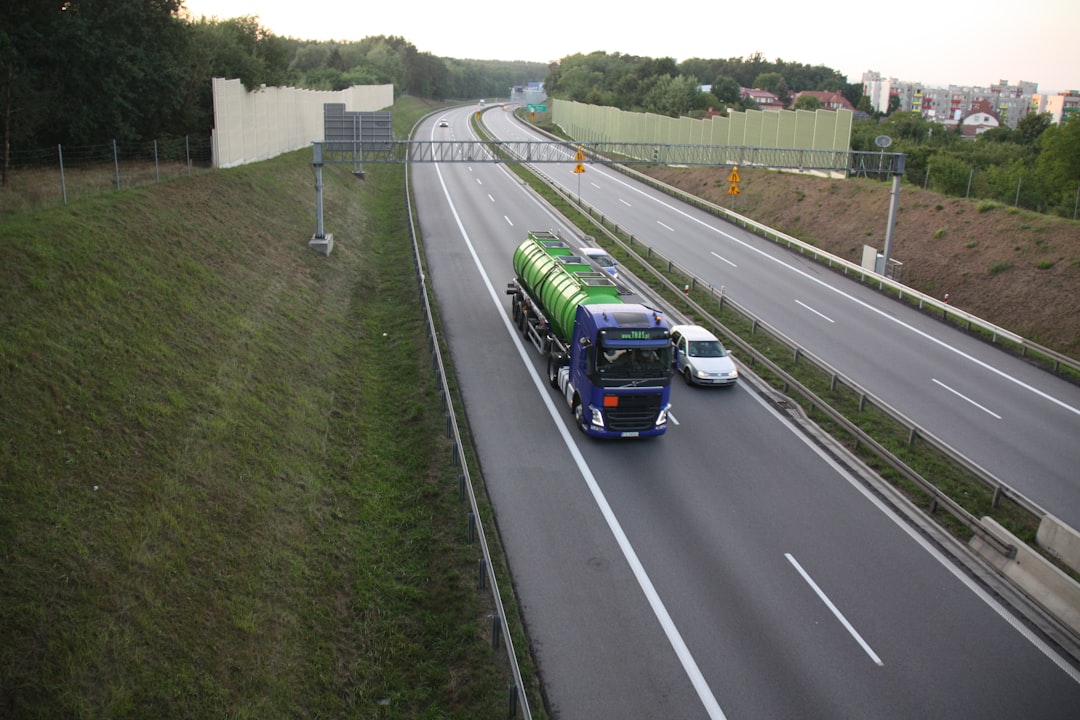
The most alarming aspect of this recent crackdown is the technical sophistication employed by the thieves. Investigators revealed that the perpetrators used specialized jamming devices placed near the fuel tanks to disrupt GPS tracking and remote monitoring systems used by logistics companies. These devices prevented real-time alerts when unauthorized fuel withdrawals occurred, allowing the criminals to siphon off thousands of liters without detection. The stolen diesel was often diverted into hidden compartments or secondary containers welded inside the truck chassis, effectively creating "false bottoms" that bypassed standard volume checks. This level of coordination suggests a well-funded criminal enterprise with access to advanced technology and insider knowledge of security protocols.
Such methods have become increasingly common in recent years, as criminals adapt to tighter regulations and improved surveillance. The use of signal jammers is particularly dangerous because it not only facilitates theft but also compromises the safety and accountability of commercial transport. Authorities have noted that these devices can interfere with other electronic systems, potentially creating hazardous conditions on busy highways. The discovery of these tools in the possession of the arrested drivers marks a significant escalation in the methods used by fuel pirates. It underscores the urgent need for logistics companies to upgrade their security infrastructure and collaborate more closely with law enforcement to stay ahead of these evolving tactics.
Economic Impact and Regional Vulnerability
The economic repercussions of this diesel theft ring extend far beyond the immediate losses incurred by individual transport companies. Bulgaria serves as a critical transit hub for energy resources moving through the Balkans, with significant volumes of fuel passing through its ports and border crossings. When theft becomes rampant, insurance premiums rise, and transport costs increase, ultimately affecting the price of goods across the region. Small and medium-sized enterprises that rely on timely deliveries are hit hardest, as they lack the resources to absorb these additional expenses. The instability caused by such criminal activity can deter foreign investment and disrupt the flow of essential commodities, including food and medical supplies, that depend on reliable logistics networks.
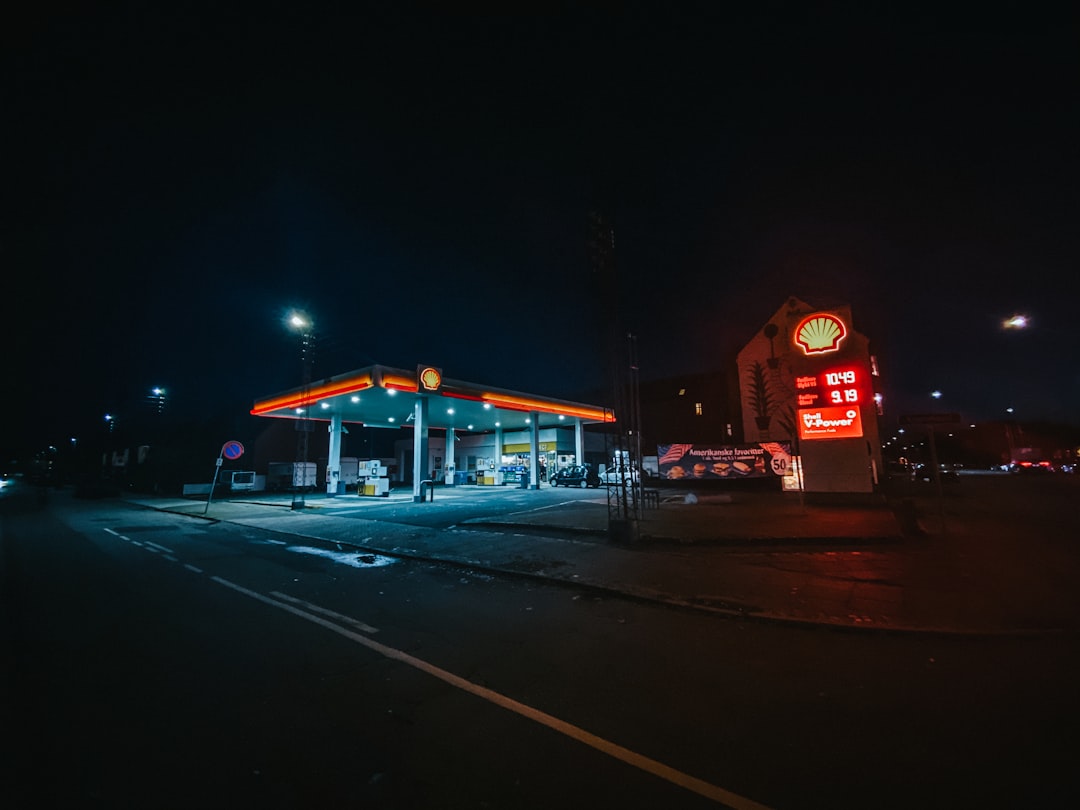
Furthermore, the illicit sale of stolen diesel creates an unfair advantage for unregulated market participants who sell fuel below market price, undermining legitimate businesses and reducing tax revenues for the state. This black market also poses serious environmental and health risks, as stolen fuel often lacks proper quality control and may contain harmful additives. The Bulgarian government has recognized the broader implications of this crisis and has intensified efforts to combat organized crime in the energy sector. Strengthening border controls, enhancing digital monitoring systems, and imposing stricter penalties for fuel theft are among the proposed measures to restore integrity to the national supply chain and protect the interests of honest operators.
A Balkan Perspective on Fuel Security
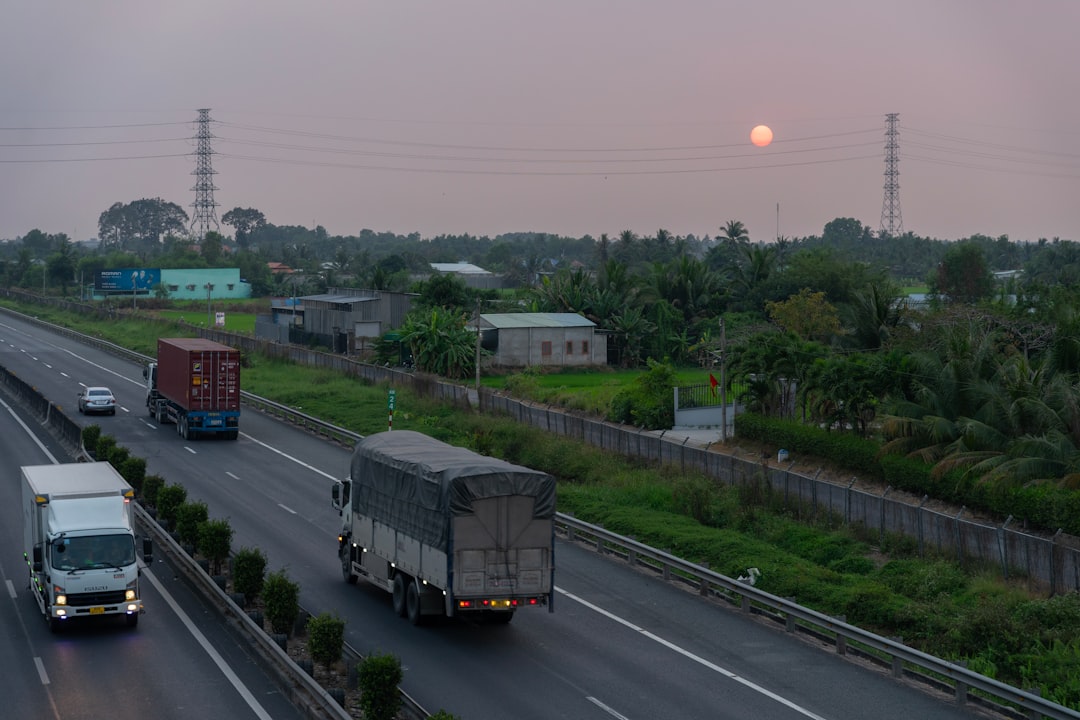
While this case is centered in Bulgaria, the issue of fuel theft and smuggling is a regional challenge affecting many Balkan countries. Neighboring states such as Romania, Serbia, and Greece have also reported instances of organized fuel piracy, often linked to cross-border criminal networks that exploit regulatory gaps and porous borders. The Balkans remain a strategic corridor for energy transit, with pipelines and road networks connecting major European markets. Ensuring the security of these routes is essential for regional stability and economic growth. Cooperation between Balkan nations is therefore critical to combating transnational crime and safeguarding the integrity of the energy supply chain.
International organizations and EU agencies have called for greater harmonization of anti-smuggling measures and improved information sharing among border police forces. The recent arrests in Bulgaria serve as a reminder that fuel security is not just a national concern but a shared responsibility. As the region continues to integrate into broader European markets, the need for robust, coordinated security frameworks becomes increasingly apparent. Addressing the root causes of fuel theft, including corruption and inadequate enforcement, will require sustained political will and investment in modern technology. Only through collective action can the Balkans ensure that their energy infrastructure remains secure and resilient against organized criminal threats.
As legal proceedings against the arrested individuals move forward, the focus will shift toward preventing future incidents and holding all parties accountable. Logistics companies are expected to implement stricter security protocols, including tamper-proof seals and advanced monitoring systems, to deter potential thieves. Law enforcement agencies must continue to prioritize fuel piracy as a serious organized crime, rather than treating it as a minor regulatory offense. For the average citizen and business owner, this case highlights the hidden costs of criminal activity and the importance of supporting transparent, secure supply chains. The stability of the Balkan economy depends on the integrity of its transportation networks, and addressing fuel theft is a critical step toward achieving that goal. Watch for further legislative proposals aimed at strengthening penalties and enhancing cross-border cooperation in the coming months.


Comments