


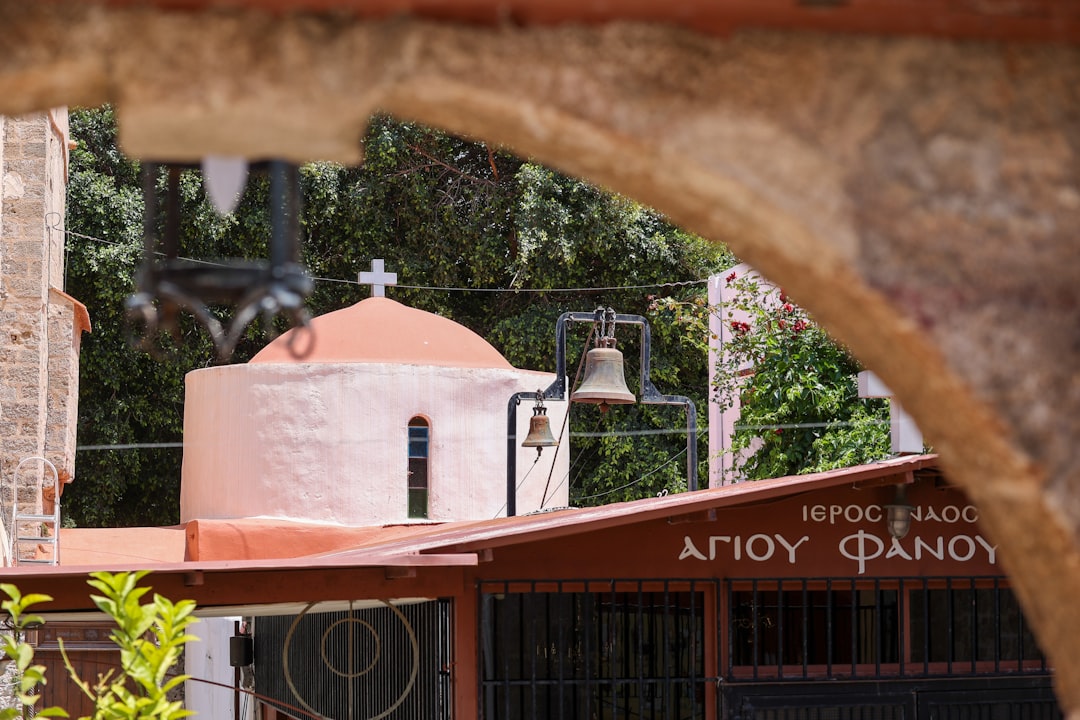
The cultural landscape of Greece has been profoundly altered by the recent passing of Christos Kouias, a towering figure in modern Greek folk music whose career spanned over five decades. The news of his death has triggered a massive wave of tributes across social media, making his name the top trending search topic in Greece. For a generation of listeners, Kouias was not merely a singer but the definitive voice of the Rembetiko and Laiko traditions, bridging the gap between the underground tavernas of the mid-20th century and the modern concert halls of today. His demise marks the end of an era for a genre that has long served as the emotional backbone of Greek urban life.
Kouias, born in Athens, rose to prominence in the late 1970s and early 1980s, a period when Greek folk music was undergoing a significant transformation. He became synonymous with the melancholic yet resilient spirit of the Greek people. His deep, resonant voice and his ability to convey raw emotion through lyrics about love, loss, and social hardship resonated deeply with audiences. In the Balkan context, where folk traditions hold immense cultural weight, Kouias’s influence extended beyond national borders, touching hearts in Serbia, Bulgaria, and Turkey, where similar musical traditions thrive. His passing is felt not just as a loss of a star, but as the closing of a chapter in regional cultural history.

A Life Dedicated to the Laiko Tradition
Christos Kouias began his musical journey in the vibrant but often gritty tavernas of Athens, where he honed his craft alongside other legends of the Laiko scene. Unlike many of his contemporaries who leaned towards pop-infused styles, Kouias remained steadfast in his commitment to traditional structures and instruments. His collaborations with master bouzouki players and violinists helped preserve the authentic sound of the genre. The Laiko music genre, often misunderstood by international audiences as merely "urban folk," is actually a complex art form with deep roots in the Rembetiko tradition of the early 20th century. Kouias was a guardian of this heritage, ensuring that the nuances of phrasing and instrumentation were maintained.
His discography includes dozens of albums that have become staples in Greek households. Songs like "Tha Se Thimoume" and "I Agapi Mou" are anthems that are played at weddings, funerals, and family gatherings alike. These tracks are not just melodies; they are cultural artifacts that reflect the social changes in Greece over the last half-century. From the political turbulence of the 1970s to the economic crises of the 2010s, Kouias’s music provided a sense of continuity and comfort. His ability to adapt to changing times without losing his artistic integrity is a testament to his talent and dedication. He remained a relevant and respected figure even as younger artists experimented with new sounds.
Throughout his career, Kouias faced various challenges, including the shifting tastes of the public and the commercialization of the music industry. Yet, he never compromised on the quality of his work. He was known for his rigorous rehearsals and his demand for excellence from his band members. This professionalism earned him the respect of his peers and the enduring loyalty of his fans. His influence can be seen in the work of many younger singers who cite him as their primary inspiration. The Laiko scene today is still shaped by the standards he set, making his legacy an integral part of the genre's ongoing evolution.
Regional Impact and Balkan Connections
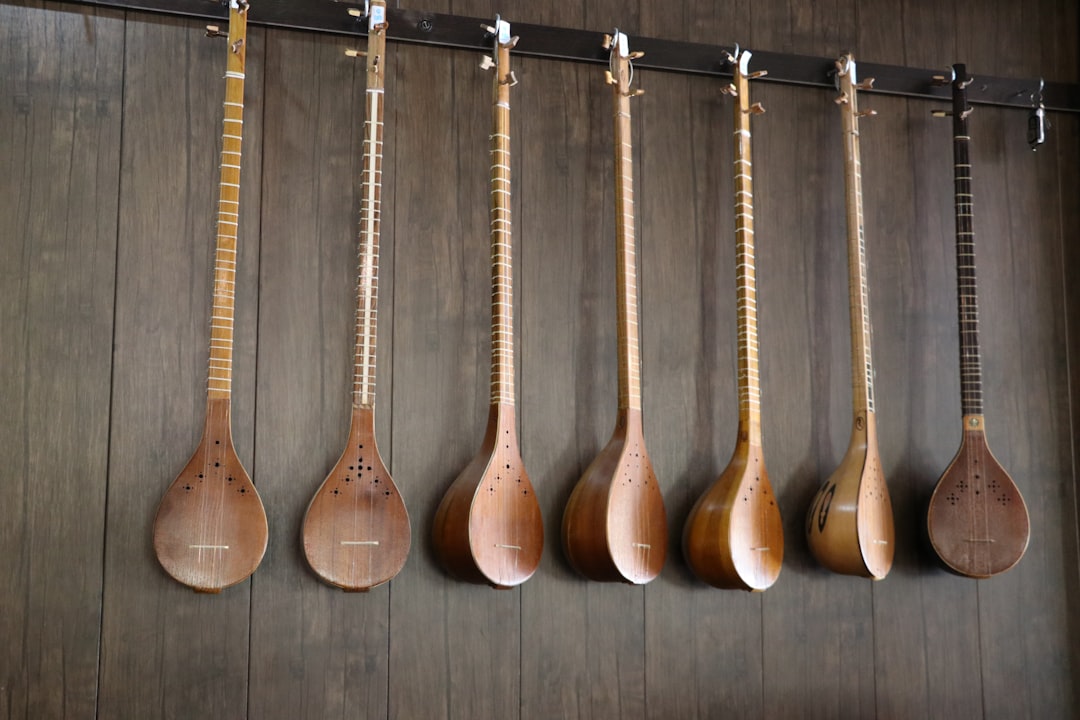
The impact of Christos Kouias’s music extends well beyond Greece, resonating strongly in the broader Balkan region. The musical traditions of the Balkans share a common ancestry, with influences flowing freely between Greece, Turkey, Serbia, and Bulgaria. The use of the bouzouki, baglamas, and violin in Kouias’s music is familiar to audiences across these countries. In Turkey, for instance, the Arabesque genre shares many thematic and melodic similarities with Greek Laiko. Fans in Istanbul and Ankara often listen to Kouias’s songs, finding in them a reflection of their own cultural experiences. This cross-border appeal highlights the interconnectedness of Balkan cultures and the universal language of folk music.
In Serbia and Bulgaria, where Turbo-folk and Chalga are popular, Kouias’s work is appreciated for its authenticity and emotional depth. While these modern genres have evolved significantly, they still owe a debt to the traditional forms that Kouias helped preserve. His music serves as a reminder of the shared heritage of the Balkans, a region often defined by political divisions but united by cultural ties. The mourning of Kouias’s passing in these countries is a testament to the enduring power of his art. It is a reminder that despite political tensions, cultural exchanges continue to foster understanding and connection among Balkan peoples.
The Balkan diaspora also plays a significant role in keeping Kouias’s legacy alive. Greek communities in Romania, Montenegro, and Bosnia have always maintained strong ties to their musical roots. Kouias’s concerts were often attended by large numbers of expatriates who found solace in his music. His passing is being mourned by these communities as well, with tributes pouring in from social media groups and cultural associations. The global reach of his music underscores the importance of cultural preservation and the role of artists in connecting diaspora communities with their homeland.

Legacy and What Lies Ahead
As Greece prepares to honor Christos Kouias with state funerals and memorial concerts, the question of his legacy is at the forefront of public discourse. His contribution to Greek music is undeniable, but his impact goes beyond the notes he sang. He was a cultural ambassador who brought the story of the Greek people to the world. His music documented the joys and sorrows of a nation, making him a historian of sorts. Future generations will look to his work to understand the social and emotional landscape of late 20th and early 21st-century Greece. The preservation of his recordings and the continued performance of his songs will ensure that his voice remains a part of the Greek cultural fabric.
The music industry in Greece is now facing the challenge of filling the void left by Kouias. While there are many talented young artists, few have the same depth of experience and connection to the traditional roots of the genre. The Laiko scene must now decide how to evolve while honoring the past. Will it embrace new influences, or will it double down on tradition? Kouias’s legacy suggests that a balance is possible, but it requires dedication and respect for the craft. The upcoming months will see a surge of tribute albums and concerts, which will serve as both a celebration of his life and a catalyst for reflection on the future of Greek folk music.
For the Balkan audience, Kouias’s passing is a poignant reminder of the fragility of cultural heritage. As globalization continues to homogenize music trends, the distinct voices of regional traditions become even more valuable. The mourning of Christos Kouias is not just a Greek affair; it is a regional event that highlights the importance of preserving local identities. As fans across the Balkans listen to his songs one last time, they are not just saying goodbye to a singer; they are reaffirming their connection to a shared cultural history. The next generation of musicians will carry the torch, but the flame lit by Kouias will continue to burn bright.

Comments