



The Balkan Peninsula is currently experiencing a significant surge in cultural tourism, driven by a renaissance of high-profile festivals that blend traditional heritage with contemporary arts. From the historic streets of Sarajevo to the coastal venues of Split, major events are drawing international audiences and boosting local economies. This trend is not merely about entertainment; it represents a strategic effort by Balkan nations to rebrand their cultural identities on the global stage. The influx of visitors to these festivals is providing a vital economic stimulus to regions still recovering from post-conflict challenges and economic transitions, making cultural diplomacy a key pillar of regional development.
International travel data indicates a steady rise in visitor numbers to the Balkans, with cultural events cited as a primary motivator for many tourists. Unlike mass tourism hubs in Southern Europe, Balkan festivals offer a unique blend of affordability, authentic local experiences, and rich historical context. This positioning allows smaller cities and towns to compete with larger European capitals for cultural tourism dollars. The success of these events is reshaping travel itineraries across the region, encouraging longer stays and deeper engagement with local communities.
Global Recognition and Cultural Diplomacy
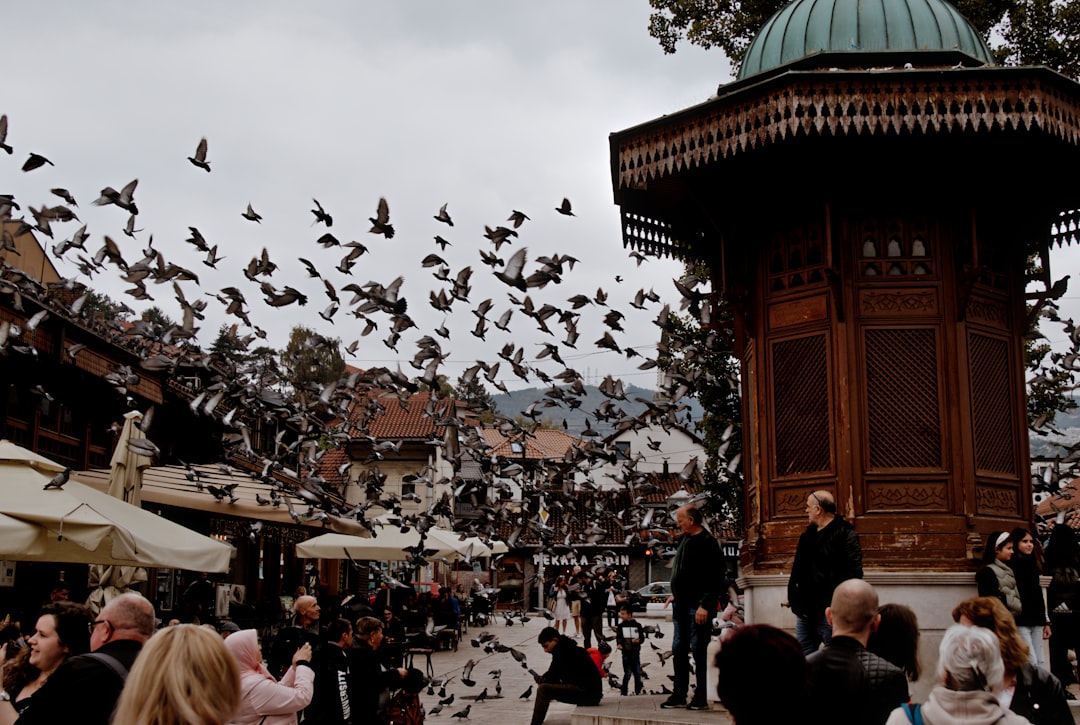
The Sarajevo Film Festival stands as a premier example of this cultural resurgence. As the first major film festival in Southeast Europe after the fall of communism, it has grown into a significant international platform for cinema. This year's edition highlighted films from across the region, showcasing the diverse storytelling capabilities of Balkan directors. The festival serves as a bridge between Eastern and Western cinematic traditions, attracting industry professionals and cinephiles from around the world. Its continued success underscores the region's capacity to host world-class cultural events.
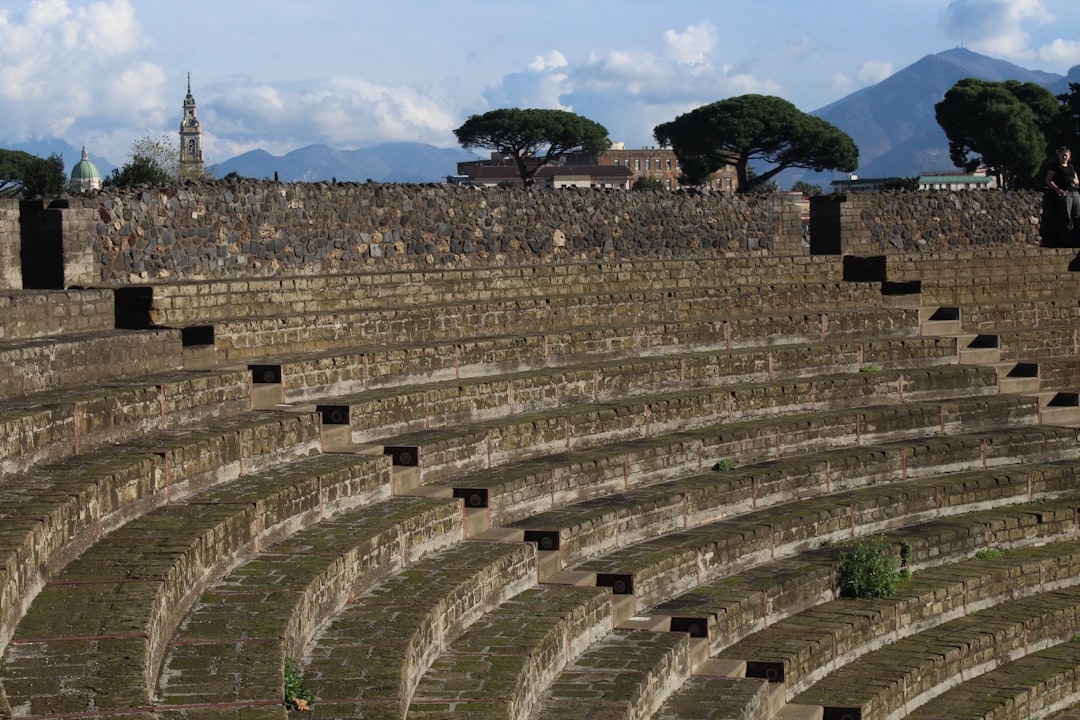
Similarly, the Split Festival in Croatia continues to draw large crowds to the Adriatic coast. Known for its focus on music, theater, and dance, the event utilizes the city's ancient Roman amphitheater as a stunning backdrop. This fusion of antiquity and modern performance art creates a unique atmosphere that appeals to both local residents and international tourists. The festival's programming often includes collaborations with artists from across Europe, fostering cross-cultural exchanges and highlighting the region's openness to global artistic trends. Such events reinforce Croatia's position as a leading cultural destination in the Mediterranean.
Economic Impact and Local Revitalization
The economic benefits of these festivals extend far beyond ticket sales. Hotels, restaurants, and local artisans report significant increases in revenue during festival periods. This influx of capital supports small businesses and creates temporary employment opportunities, which are crucial in regions with higher youth unemployment rates. Furthermore, the positive international exposure generated by these events encourages repeat visits and long-term investment in infrastructure. City councils are increasingly allocating funds to improve public spaces and transportation networks to accommodate growing crowds, leading to lasting improvements in urban living standards.
In Bosnia and Herzegovina, the Biennale of Contemporary Art in Sarajevo has played a pivotal role in revitalizing the city's cultural landscape. By transforming abandoned industrial sites into galleries and performance spaces, the event contributes to urban regeneration projects. This approach not only preserves historical architecture but also repurposes it for modern use, creating a dynamic cultural district. The festival attracts younger demographics, fostering a vibrant creative community that is essential for the long-term sustainability of urban areas. This model of cultural-led regeneration is being studied and adopted by other Balkan cities facing similar challenges.

The Balkan Angle: Unity Through Diversity
Despite historical tensions, these festivals often serve as platforms for regional unity. Collaborative projects between artists from Serbia, Croatia, Bosnia, and other neighboring countries are becoming more common. These collaborations help to break down stereotypes and foster a sense of shared cultural heritage. For the Balkan audience, attending these events is not just about entertainment; it is an opportunity to engage with neighbors in a positive, constructive environment. The shared experience of art and music transcends political boundaries, offering a vision of a more integrated and peaceful region. This soft power dynamic is crucial for maintaining stability and promoting regional cooperation.
Moreover, the festivals are increasingly focusing on environmental sustainability, reflecting global trends and local concerns. Many events now implement strict waste management policies and promote eco-friendly transportation options for attendees. This commitment to sustainability resonates with younger generations who are increasingly conscious of their environmental impact. By integrating green practices into their operations, Balkan festivals are setting a positive example for other cultural institutions in the region. This focus on sustainability also appeals to international tourists who prioritize eco-conscious travel destinations, further enhancing the region's attractiveness.
As the Balkan festival season reaches its peak, the region's cultural sector is poised for continued growth. The combination of rich history, vibrant contemporary arts, and strategic economic planning is creating a sustainable model for cultural tourism. International audiences are discovering the unique charm of these events, while local communities are reaping the social and economic benefits. For travelers and culture enthusiasts, the Balkans offer a compelling destination where tradition meets innovation. The success of these festivals suggests a bright future for the region, where culture serves as a powerful catalyst for development and unity. The coming years will likely see even more ambitious projects and greater international recognition for Balkan cultural institutions.


Comments