


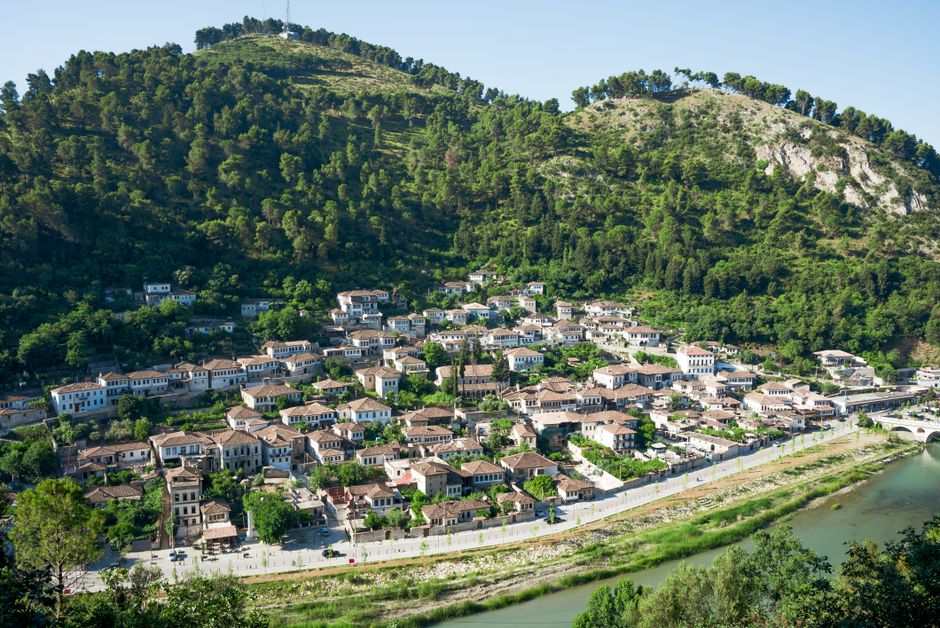
The mention of Albania in global headlines has transcended traditional geopolitical narratives, shifting focus toward the immense influence of its diaspora and the complex intersection of heritage, politics, and defense. Recent discussions, particularly within Greek media and broader European policy circles, have highlighted the evolving role of Albanian communities abroad. This trend is not merely about migration statistics but involves significant political mobilization, economic contributions, and, controversially, the supply of military aid through diaspora networks during regional conflicts. For Balkan audiences, this represents a critical shift in how the region's demographics are perceived—not just as a source of labor, but as a powerful, transnational political force.
The core of this trending topic revolves around the dual nature of the Albanian diaspora's engagement with their homeland and host countries. On one hand, there is a surge in political participation, with Albanian communities in North Macedonia, Kosovo, and Greece increasingly asserting their cultural and political rights. On the other hand, reports suggest that diaspora networks have played a role in facilitating the transfer of weapons and military support to Ukraine, a development that has drawn both praise for solidarity and scrutiny regarding legal compliance. This duality places Albania and its diaspora at the center of contemporary debates on sovereignty, international law, and identity in the Balkans.
The Political Awakening and Regional Tensions
In the Balkans, the Albanian community's political footprint is expanding rapidly. In North Macedonia, Albanian parties have become kingmakers in coalition governments, demanding greater representation and language rights. This shift has stabilized the country post-2015 but also created friction with ethnic Macedonian nationalists. Similarly, in Greece, the Preveza-Actia Albanian minority has become more vocal, seeking recognition of their distinct identity separate from the broader Albanian state. This has led to diplomatic tensions between Athens and Tirana, with Greece often viewing such activism through the lens of irredentism, while Albania supports the cultural rights of its kin abroad.
The Greek perspective, as highlighted in recent articles from outlets like Kathimerini, emphasizes the sensitivity surrounding any perceived external interference in internal affairs. The Greek government maintains a strict stance on minority issues, insisting they be handled within the framework of the 1995 Agreement between Greece and Albania. However, the diaspora's growing confidence, fueled by Albania's EU accession negotiations, challenges this status quo. The diaspora is no longer passive; it is an active participant in shaping regional politics, leveraging its numbers in host countries to gain leverage back home.
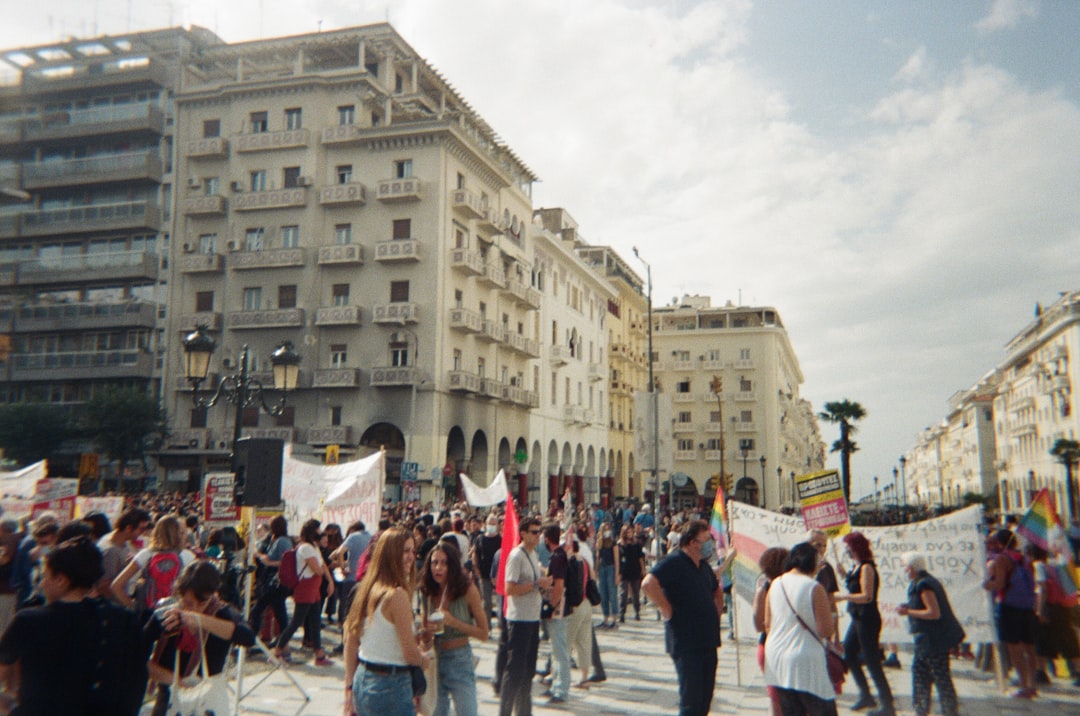
Diaspora Networks and the Ukraine Conflict
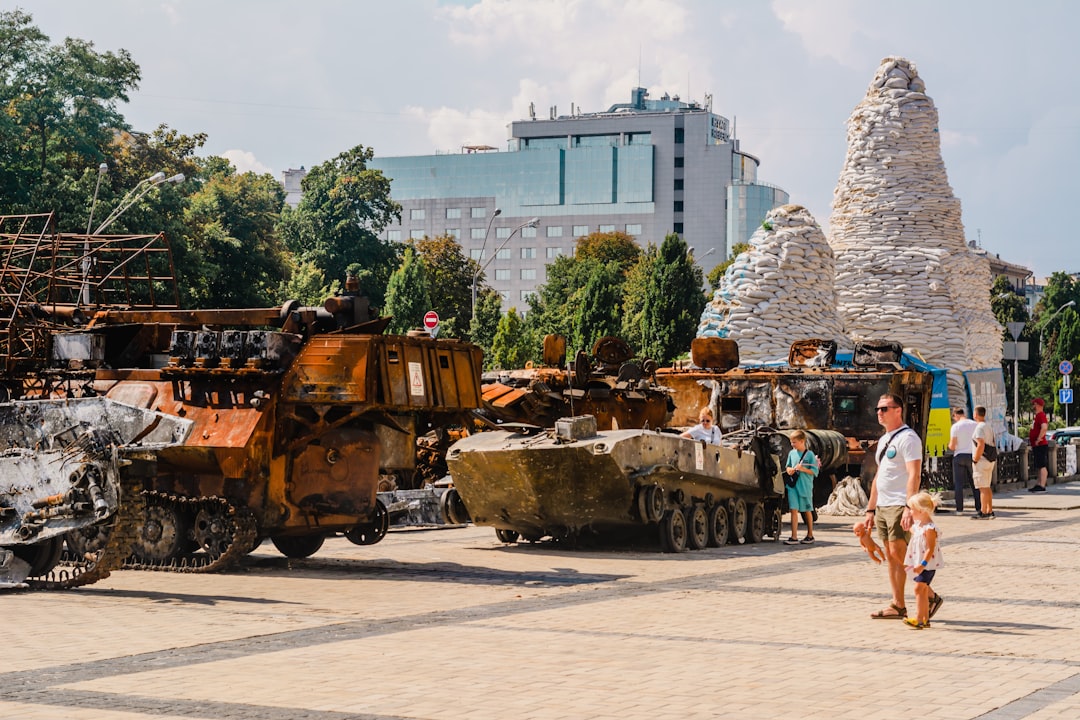
A more contentious aspect of the current trend involves the alleged role of Albanian diaspora networks in supplying weapons to Ukraine. Reports indicate that individuals within the diaspora, particularly in Western Europe and North America, have organized fundraising and logistical efforts to send military aid. While this aligns with the broader European support for Ukraine, it has raised eyebrows in some Balkan capitals due to the informal nature of some of these operations. The term "diaspora arms" has entered the lexicon, referring to the grassroots, often unregulated, flow of military hardware facilitated by ethnic communities.
This phenomenon is not unique to Albanians but is particularly notable due to the cohesion and organizational capacity of these networks. For Albania, a small nation with limited military-industrial capacity, this external support is a point of national pride, demonstrating its commitment to international security. However, it also complicates relations with neighbors who may view such actions as destabilizing or as a breach of neutrality. The European Union has called for stricter controls on arms exports, but the sheer volume of grassroots donations makes enforcement difficult. This trend underscores the diaspora's ability to act as a parallel state apparatus, influencing foreign policy outcomes beyond the reach of traditional diplomatic channels.
Economic Impact and Future Implications
Beyond politics and conflict, the Albanian diaspora remains a critical economic pillar for the homeland. Remittances consistently account for a significant portion of Albania's GDP, sustaining households and fueling consumer demand. This economic dependency creates a complex dynamic: the diaspora has a vested interest in Albania's stability and EU integration, yet they often criticize domestic corruption and inefficiency. As Albania progresses in its EU accession talks, the diaspora is expected to play a key role in advocating for reforms and transparency, using their influence in host countries to pressure Tirana.
Looking ahead, the influence of the Albanian diaspora will likely continue to grow. As younger generations become more politically engaged and technologically connected, their ability to mobilize across borders will increase. This presents both opportunities and challenges for Balkan states. On one hand, it fosters greater regional integration and cooperation. On the other, it risks exacerbating ethnic tensions and complicating diplomatic relations. For the Balkan audience, understanding this trend is essential, as it reshapes the region's political landscape and defines the future of identity and belonging in a globalized world.
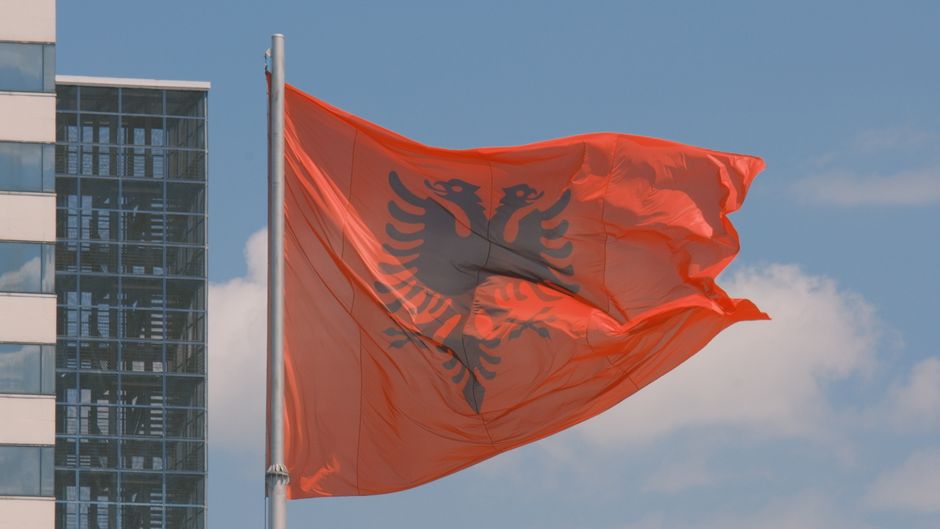
The story of the Albanian diaspora is far from over. It is a narrative of resilience, adaptation, and growing power. As Albania navigates its path toward European integration, the diaspora will remain a crucial, albeit complex, stakeholder. Readers should watch for further developments in diaspora-led political initiatives in North Macedonia and Greece, as well as the EU's response to grassroots arms transfers. The diaspora's evolution from a source of remittances to a key political and military actor marks a new chapter in Balkan history, one that demands careful attention and nuanced understanding. The question is no longer just where Albanians live, but how they shape the world around them.

Comments