



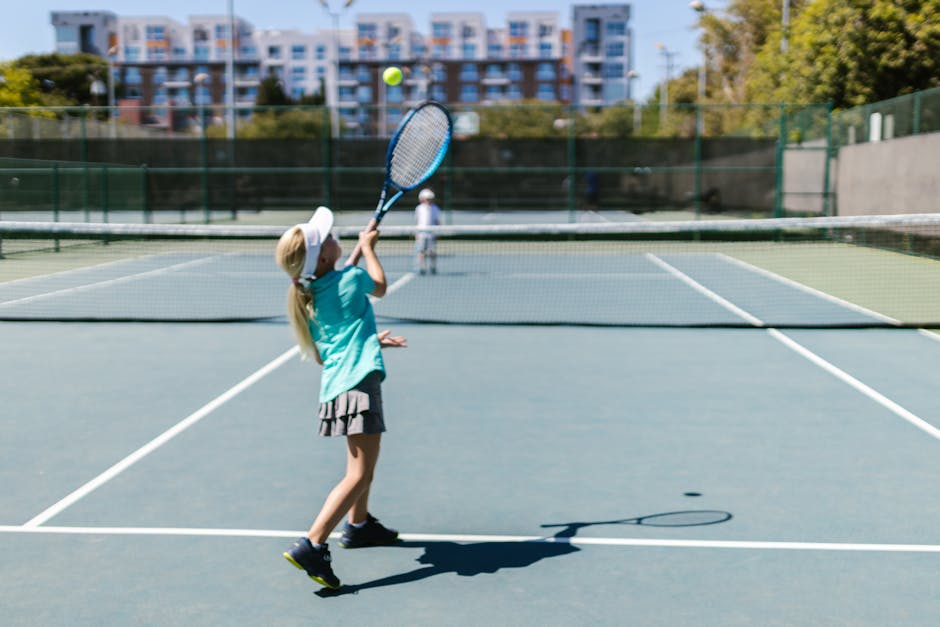
I stood on the sidelines of a small tennis court in Skopje, Macedonia, watching a young girl serve with a precision and force that belied her age. Her coach, a grizzled veteran of the game, nodded approvingly. "That's the kind of talent we've seen before here in the Balkans," he said. "It's no surprise that we've produced some of the world's top players."
From Novak to Djokovic: The Champions
The Balkans have long been a hotbed for tennis talent, producing some of the greatest players of all time. Novak Djokovic, hailing from Belgrade, Serbia
, is one of the most recognizable names in the sport. Djokovic has dominated men's tennis for over a decade, winning multiple Grand Slam titles and holding the world No. 1 ranking for extended periods.But he's not alone. Monica Seles, born in Novi Sad, Serbia
, was a trailblazer in women's tennis, winning nine Grand Slam titles before her career was cut short by an attack in 1993. Another notable player is Jelena Jankovic, who reached No. 1 in the women's rankings and has been a consistent presence in Grand Slam tournaments.Goran Ivanisevic, from Zagreb, Croatia
, is another Balkan tennis legend. Known for his powerful serve and fiery temperament, Ivanisevic won Wimbledon in 2001 as a wild card entry, one of the most memorable upsets in tennis history. His success paved the way for future Croatian players like Marin Cilic and Ivo Karlovic, both of whom have achieved significant success on the ATP Tour.These players represent just a fraction of the talent that has emerged from the Balkans. The region's commitment to developing young athletes and providing them with the resources they need to excel has been instrumental in producing such a wealth of talent.

Training Grounds and Rivalries
The Balkan region's rich tennis heritage is not just a product of individual talent; it's also a result of robust training environments and a culture of fierce competition. In Belgrade, Serbia, the Belgrade Sports Centre
has been a breeding ground for many of the country's top players. The center offers state-of-the-art facilities and a rigorous training regimen that prepares athletes for the rigors of professional tennis. has also been a hub for tennis development, with the Novi Sad Tennis Academy fostering the growth of young talent. The academy emphasizes both technical skill and mental toughness, qualities that have helped its students excel on the international stage.Rivalries between Balkan countries have also contributed to the region's tennis success. The intense competition between players from Serbia, Croatia, and other Balkan nations has pushed each athlete to improve and has created a sense of pride in representing their respective countries on the global stage.

The Venues
The Balkans are home to several venues that have played a significant role in the development and promotion of tennis. The Belgrade Arena
in Belgrade, Serbia has hosted numerous ATP and WTA events, providing local players with the opportunity to compete in front of home crowds. The atmosphere at these events is electric, with fans passionately cheering on their favorite players. , the Cibona Sports Hall has been a venue for international tennis tournaments. The hall's capacity and modern amenities make it a popular choice for hosting events that showcase the region's tennis prowess.These venues not only provide a platform for local players but also attract international attention, bringing the world's top players to the Balkans and helping to elevate the region's profile in the global tennis community.

How to Follow
The Balkan region is poised to continue producing world-class tennis talent, and there are several ways to follow the progress of these athletes. Upcoming tournaments and matches can be tracked through official tournament websites, such as the ATP Tour and WTA Tour. Fans can also purchase tickets and follow live streaming options to stay connected with their favorite players.
For those interested in supporting the next generation of Balkan tennis stars, local tournaments and training sessions offer a chance to witness the development of future champions. These events provide a unique opportunity to see emerging talent in action and to be a part of the region's tennis community.
The Balkans have already made a significant impact on the world of tennis, and with continued support and development, the region is set to produce even more champions in the years to come.
The Future of Balkan Tennis
As I left the tennis court in Skopje, Macedonia, I couldn't help but feel a sense of excitement about the future of Balkan tennis. The talent I had seen in that young girl was a testament to the region's ability to nurture and develop world-class players. With the right resources and support, there's no telling how high the Balkans can climb in the tennis world.
The journey from the small courts of Skopje to the grand stages of Wimbledon and the US Open is long and arduous, but the players from the Balkans have shown time and again that they have what it takes to succeed. As the next generation of tennis stars emerges, the Balkans will undoubtedly continue to be a source of inspiration and talent for the global tennis community.


Comments