


The water in Tara River Canyon isn't just cold; it's a shock to the system that resets your entire nervous circuit. I was waist-deep in the emerald sludge near Bajina Bašta, shivering so hard my teeth felt like they were trying to escape my skull, when a local kayaker in a battered green boat drifted by. He didn't ask if I was okay. He just yelled something about the current being "hungry" today and paddled hard toward the drop. This isn't a postcard destination for sipping lattes on a terrace. This is the frontier where the limestone cliffs rise like cathedral walls, where the border between Serbia and Montenegro is drawn in spray and stone, and where the only thing louder than the river is the silence of the peaks above. I came for the adrenaline, but I stayed because the canyon grabs you by the throat and refuses to let go.
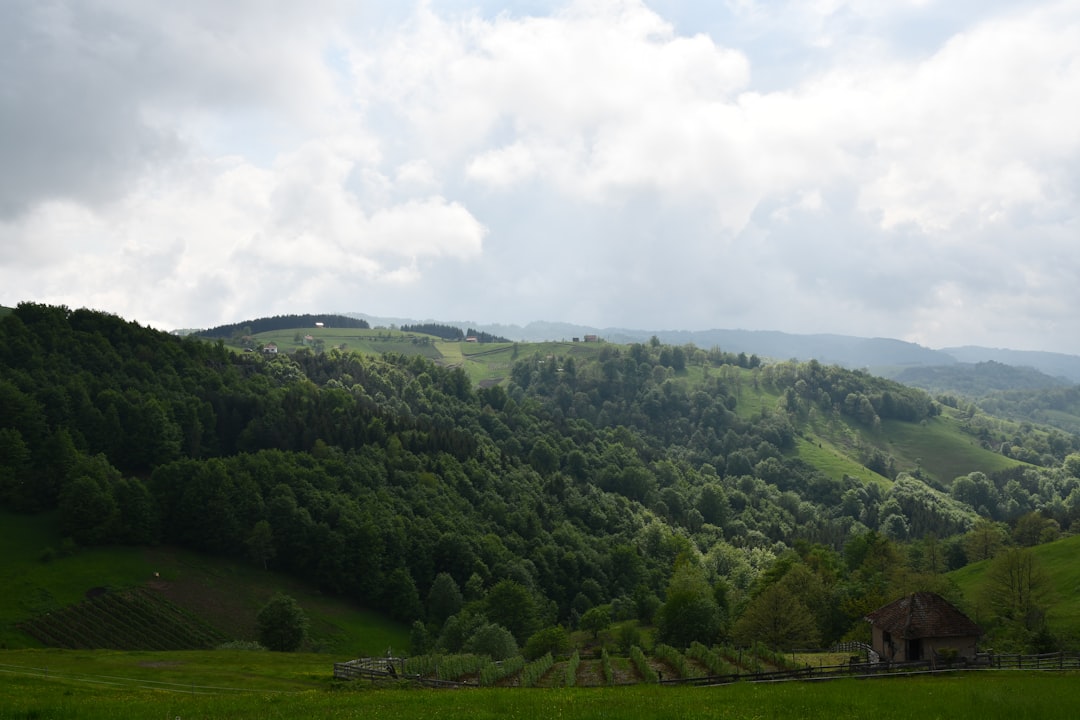
Most people think of the Balkans as a place of history books and war-torn ruins. They forget that this is also the roof of Europe, a jagged spine of karst that tears through the continent. The Tara River is the deepest canyon in Europe, plunging 1,300 meters below the plateau. To stand on the edge is to feel small, not in a spiritual, New Age way, but in a primal, survivalist sense. The air smells of wet stone and pine. The light hits the water in blinding flashes. It is beautiful, yes, but it is a dangerous, indifferent beauty. You do not conquer this place. You survive it, and if you're lucky, you earn the right to call it beautiful.
The Karst Fortress
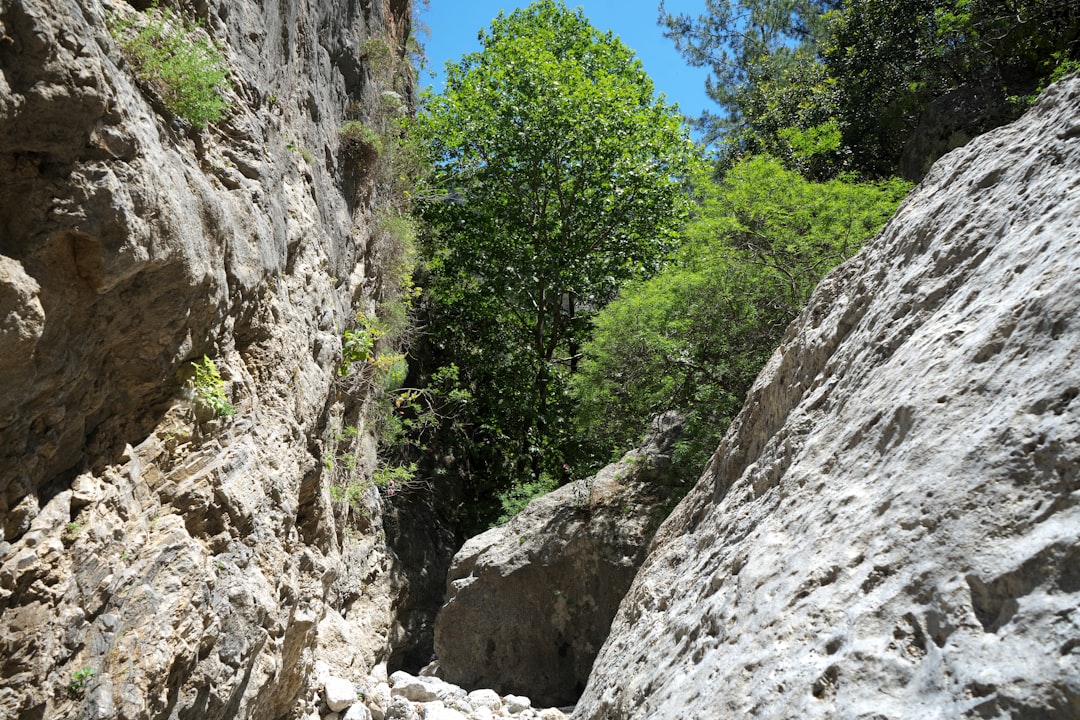
The Tara River Canyon is not just a geographical feature; it is a political and cultural scar. For decades, this river marked the border between Serbia and Montenegro, and before that, between different empires and kingdoms. The canyon walls are steep, sheer drops of limestone that have resisted erosion for millions of years. On the Serbian side, the terrain is rugged and less developed, a place where the old ways of mountain life still cling to the cliffs. On the Montenegrin side, the infrastructure is more visible, but the raw power of the water is the same.
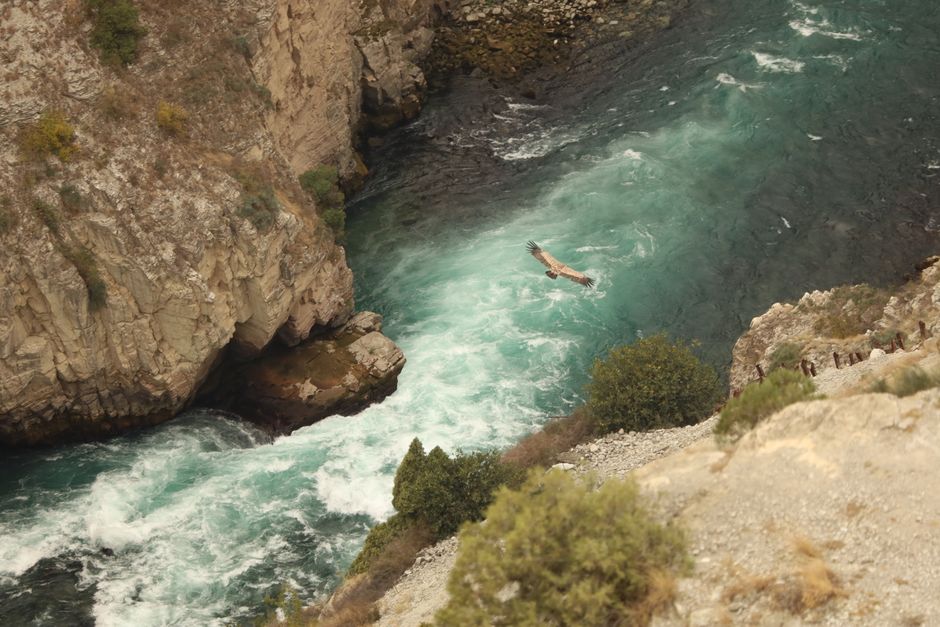
The geology here is violent. The water has carved through the rock with relentless force, creating a labyrinth of gorges, caves, and hidden pools. The water quality is pristine, fed by glacial melt and underground springs. It is so clear that you can see the rocky bottom even in the deeper sections. But clarity is deceptive. The currents are fast, the rocks are sharp, and the temperature is near freezing for most of the year. This is not a place for casual swimmers. It is a place for those who respect the power of nature.
The canyon is also a sanctuary for wildlife. Eagles soar above the cliffs, their shadows darting across the water. Trout hide in the shadows of the rocks, waiting for the right moment to strike. The forests on the upper slopes are dense with beech and fir, providing a stark contrast to the bare rock below. It is a ecosystem that has survived centuries of human conflict, remaining untouched and wild. To hike or kayak here is to step back in time, to a world where humans are just another species trying to survive.
On the Water: The Kayaker's Gauntlet
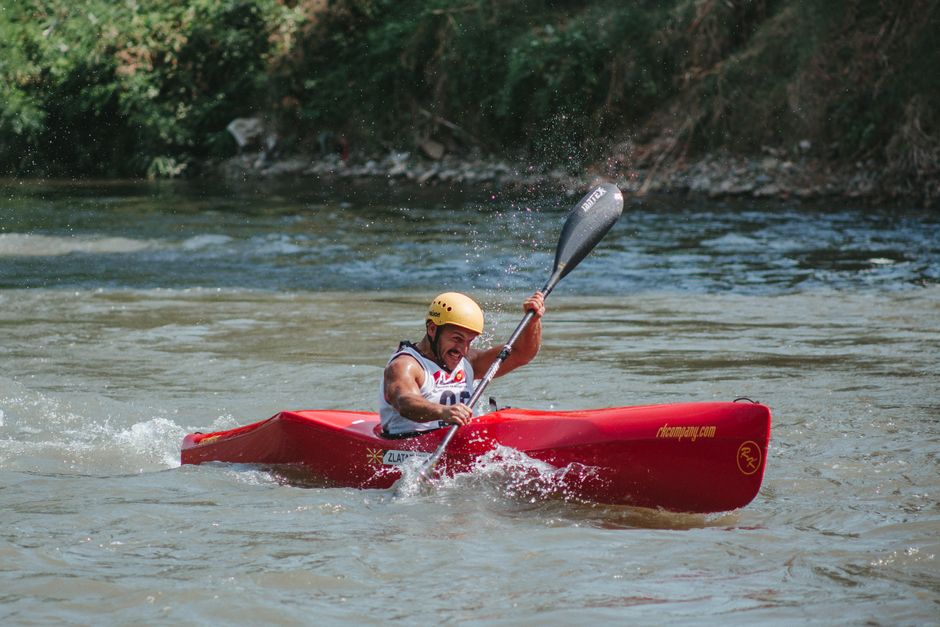
Kayaking the Tara is not a leisurely paddle. It is a technical challenge that requires skill, strength, and a healthy dose of caution. The river is divided into several sections, each with its own character and difficulty. The upper section, near the source in Montenegro, is fast and turbulent, with whitewater rapids that demand experience. The middle section, around Bajina Bašta, is calmer but still requires navigation skills to avoid hidden rocks and eddies. The lower section, closer to the confluence with the Drina River, is wider and slower, but the water is still cold and the currents can be tricky.
Most kayakers start their journey in Bajina Bašta, the gateway town on the Serbian side. From here, you can rent boats and hire guides who know the river intimately. The guides are essential, not just for safety, but for understanding the river's moods. They can read the water like a book, spotting dangers before they become problems. A typical trip might cover 20-30 kilometers, taking a full day or more depending on the section. You will paddle through narrow gorges where the cliffs tower above you, creating a tunnel of rock and shadow. You will navigate rapids that spray water into your face, leaving you gasping for breath. And you will stop at hidden pools where you can rest and soak in the silence.
The gear is critical. A dry suit is mandatory, even in summer. The water temperature rarely rises above 10°C, and hypothermia is a real risk. A helmet and life jacket are non-negotiable. The boats themselves are specialized, designed for speed and maneuverability in whitewater. They are small and unstable, requiring constant balance and control. One mistake can lead to a capsize, and in the cold water of the Tara, a capsize is a serious emergency. But for those who are prepared, the reward is immense. There is no feeling like cutting through the emerald water, surrounded by towering cliffs, with the sound of the river roaring in your ears. It is pure, unadulterated freedom.
Prices for kayaking trips vary depending on the length and difficulty of the route. A half-day trip from Bajina Bašta might cost 50-80 EUR per person, including equipment and guide. A full-day or multi-day expedition can run 100-200 EUR or more. Food is usually not included, so you need to bring your own supplies. The guides can advise on the best spots for breaks, but you must be self-sufficient. This is not a luxury holiday; it is an adventure. You pay for the experience, not the comfort.
On Foot: The Cliffside Trails
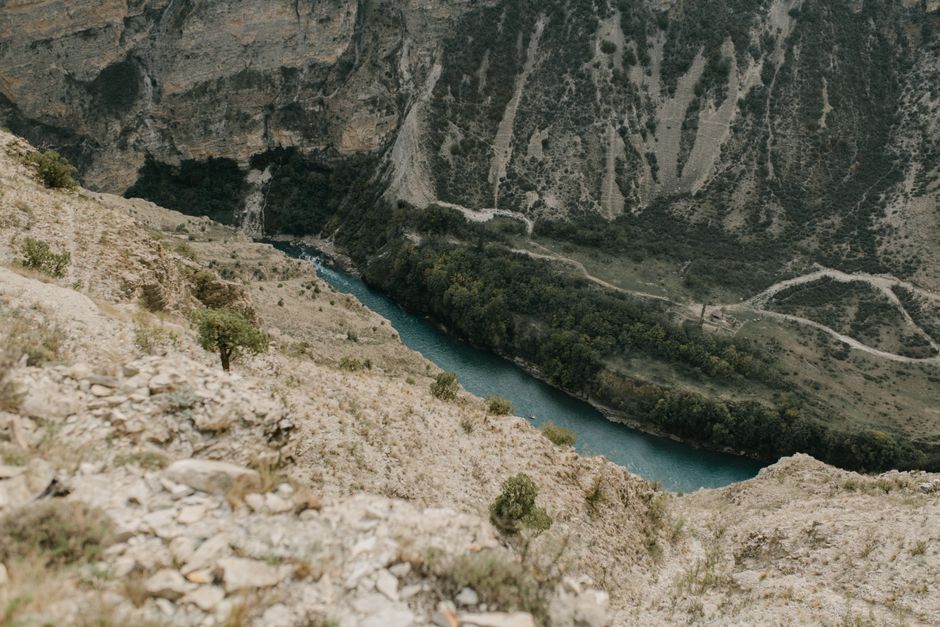
If the water is too intimidating, or if you simply want a different perspective, the hiking trails around the canyon offer a breathtaking alternative. The trails are not well-marked, and they can be steep and rocky. You need good boots, plenty of water, and a map. The views, however, are worth the effort. From the cliffs, you can see the entire length of the canyon, winding like a green snake through the mountains. You can see the villages clinging to the slopes, their red roofs contrasting with the grey stone. You can see the eagles circling above, their wings spread wide against the sky.
One of the best starting points for hiking is the village of Bajina Bašta itself. From here, you can follow the river upstream or downstream, depending on your fitness level. The trail upstream is steeper and more challenging, but it leads to some of the most spectacular viewpoints. The trail downstream is gentler, but it still offers stunning vistas. Along the way, you will encounter small waterfalls, hidden caves, and ancient oak trees. The forest is dense and quiet, broken only by the sound of the river below. It is a place for solitude, for thinking, for escaping the noise of the modern world.
Another popular hike is to the Taz River Canyon viewpoint, a short distance from Bajina Bašta. The Taz is a tributary of the Tara, and its canyon is just as impressive. The trail to the viewpoint is steep, but the reward is a panoramic view of both canyons. You can see the Tara winding through the distance, and the Taz cutting through the rock closer to you. It is a photographer's dream, with layers of rock, water, and forest creating a complex and beautiful landscape. The hike takes about two hours round trip, and it is suitable for most fitness levels. Just be careful on the descent; the rocks can be slippery.
For those who want a more challenging hike, there are trails that lead to the higher peaks surrounding the canyon. These hikes are long and demanding, requiring several hours or even a full day. They are not for the faint of heart, but they offer a sense of accomplishment that is hard to match. At the top, you can see for miles, from the peaks of the Dinaric Alps to the valleys below. The air is thin and cold, and the wind is strong. But the view is unforgettable. You feel like you are on top of the world, looking down on everything.
Getting There & What to Expect
Reaching the Tara River Canyon requires some planning. The nearest major city is Bajina Bašta, which is about 150 kilometers from Belgrade. You can drive there via the E763 highway, which takes about two hours. The road is good, but the last stretch into the canyon area can be winding and narrow. Public transport is available, but it is infrequent and slow. Buses from Belgrade to Bajina Bašta take about three hours and cost 5-10 EUR. From Bajina Bašta, you can hire a taxi or a local guide to take you to the specific starting points for kayaking or hiking.
Accommodation in Bajina Bašta is limited but adequate. There are several hotels and guesthouses in the town center, ranging from budget options to mid-range comfort. A night in a budget hostel might cost 20-30 EUR, while a mid-range hotel room could run 50-80 EUR. In peak season (July and August), prices can be higher, and bookings should be made in advance. There are also camping options near the river, but facilities are basic. You need to bring your own tent and sleeping bag. The weather can be unpredictable, so be prepared for rain and cold nights, even in summer.
The best time to visit the Tara River Canyon is from May to September. The water is still cold, but the air is warmer, and the days are longer. June and September are particularly good, as the crowds are smaller and the weather is more stable. July and August are the busiest months, with many tourists visiting for holidays. If you prefer solitude, aim for the shoulder seasons. Winter is not recommended, as the river can be dangerous due to ice and low visibility. The trails can also be slippery and hazardous.
What to expect? You should expect to be tired, wet, and cold. You should expect to be amazed, humbled, and inspired. You should expect to meet locals who are proud of their land and eager to share their knowledge. You should expect to see nature in its rawest form, unfiltered and unapologetic. This is not a place for luxury or comfort. It is a place for adventure, for challenge, for connection. If you go with an open mind and a respectful attitude, you will leave with memories that will last a lifetime.
Search accommodation in Bajina Bašta on Booking.com →
The Frontier Remains
As the sun set over the canyon, turning the limestone cliffs into shades of orange and purple, I sat on a rock by the river, shivering and exhausted. My muscles ached from paddling, and my clothes were still damp. But I couldn't move. The light was changing, and the river was glowing with a strange, inner fire. I thought about the empires that had fought over this land, the borders that had been drawn and redrawn, the wars that had scarred the region. But here, in the canyon, none of that mattered. The river flowed on, indifferent to human history. The cliffs stood tall, unyielding to time. It was a reminder that nature is bigger than us, more powerful, and more enduring. We are just visitors here, passing through, trying to find meaning in the chaos. And maybe that's enough. Maybe that's all we need.
I packed my gear and walked back to town, my head buzzing with the sound of the water. The next day, I would leave, returning to the noise and the rush of the city. But a part of me would stay here, in the canyon, in the cold water, in the silence of the cliffs. The Tara River does not give you answers. It gives you questions. It gives you perspective. And in a world that is often confusing and overwhelming, that might be the most valuable gift of all.
Comments