


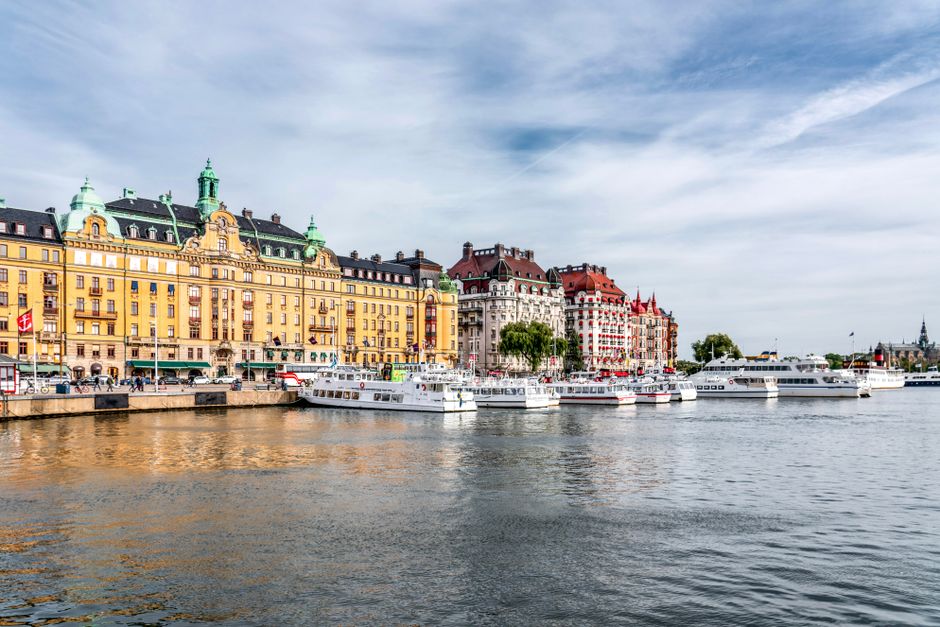
The political landscape in Sweden is undergoing a seismic shift that has immediate implications for the Balkans. For decades, Sweden was defined by its social democratic consensus and strict neutrality, but the current right-leaning government, led by Prime Minister Ulf Kristersson, is aggressively dismantling that legacy. This transition matters to the Balkan region because Sweden is a key investor in the area, a major diplomatic actor in EU enlargement talks, and a significant military partner. As Stockholm pivots toward NATO integration and a more market-oriented economic model, countries like Serbia, North Macedonia, and Bulgaria are watching closely to see how this changes the flow of capital, security cooperation, and political pressure on regional reforms.
From Neutrality to NATO: A Security Realignment
Sweden’s historic policy of non-alignment, maintained for two centuries, ended with its accession to the North Atlantic Treaty Organization (NATO) in March 2024. This move was not merely symbolic; it fundamentally alters the security architecture of Northern Europe and, by extension, the strategic calculations of Balkan nations seeking Western integration. The new Swedish government viewed NATO membership as essential for national survival following the war in Ukraine, a stance that aligns with the security anxieties of Balkan states like Romania and Bulgaria, which are also NATO members and frontline states regarding Russian influence.
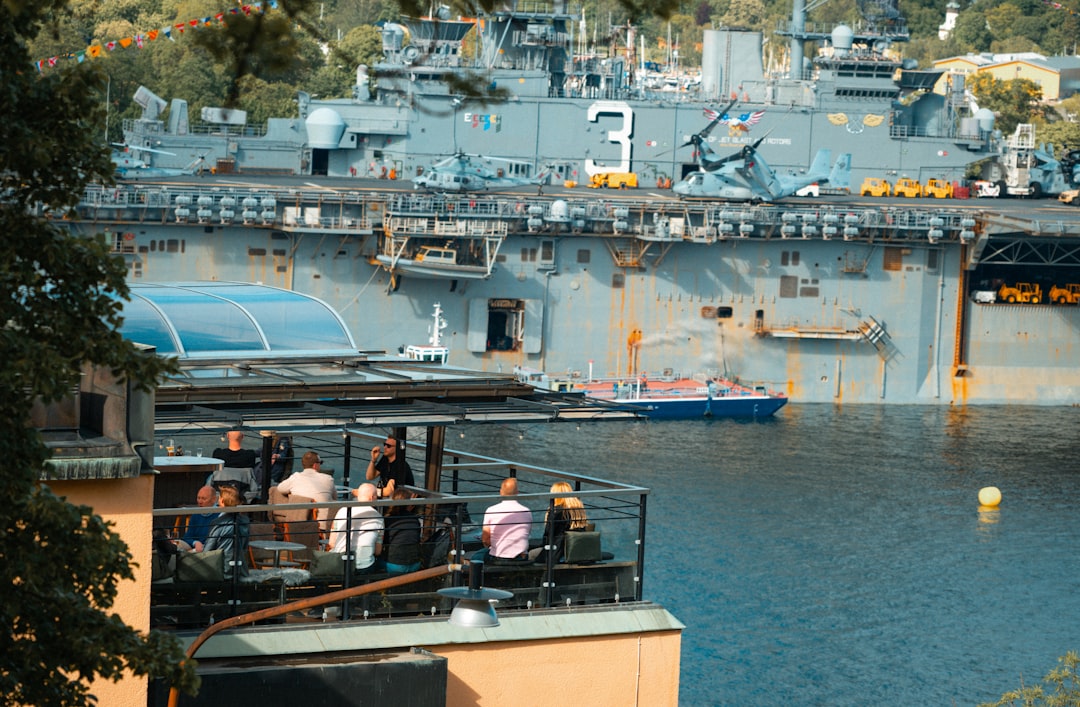
For the Balkans, this shift means a more proactive Swedish military presence in the Euro-Atlantic framework. Sweden has increased defense spending and deepened ties with neighboring Finland, creating a stronger Northern Flank for the alliance. This consolidation indirectly benefits Balkan NATO members by allowing the alliance to redistribute resources and focus more attention on the Southeastern European theater. Furthermore, Sweden’s new defense posture encourages regional partners to accelerate their own military modernization efforts, as Stockholm is now a reliable partner in joint exercises and intelligence sharing, rather than a neutral observer.
Economic Policy Changes and Balkan Investments
Beyond security, the new government’s economic agenda is striking at the heart of the "Swedish Model," characterized by high taxes and extensive welfare provisions. The current coalition, comprising the Moderates, Christian Democrats, and Liberals, is pushing for tax cuts, deregulation, and a reduction in public spending. For Balkan entrepreneurs and foreign investors, this is significant. Sweden is home to some of the most influential multinational corporations in the region, including Ericsson, H&M, and Volvo, all of which have substantial operations or supply chains in the Balkans.
A more business-friendly environment in Sweden could lead to increased foreign direct investment (FDI) from Swedish firms into the Balkans, particularly in the technology and manufacturing sectors. Countries like Serbia and Croatia have actively courted Scandinavian investors for their IT hubs and automotive industries. However, the shift also raises concerns about the social safety net. As Sweden reduces subsidies for green energy and renewable initiatives, the pace of sustainable development projects in the Balkans—often funded or supported by Swedish agencies—might slow down. This creates a complex dynamic where commercial interests may expand while developmental aid becomes more scrutinized.
Diplomatic Pressure on EU Enlargement and Rule of Law
Sweden’s foreign policy under Kristersson is notably more assertive regarding the rule of law and democratic standards. While maintaining support for the EU’s enlargement process, the Swedish government has signaled that it will not automatically endorse accession candidates that fail to meet strict judicial and anti-corruption benchmarks. This stance directly impacts the Western Balkans, where North Macedonia and Albania have recently begun negotiation chapters, and Serbia, Montenegro, and Bosnia and Herzegovina await further progress.
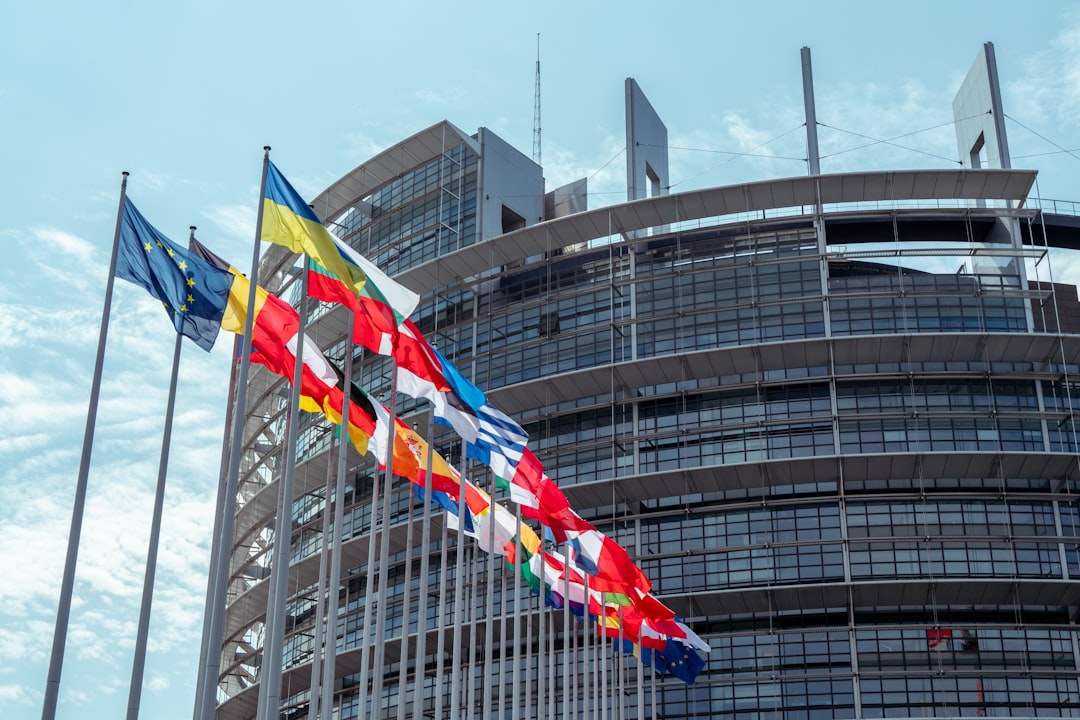
Stockholm is part of a growing bloc of Northern European EU members that prioritize quality over speed in accession talks. This means that Balkan governments face heightened pressure to implement difficult domestic reforms, particularly in the judiciary and media freedom, to secure Swedish support. For Balkan audiences, this underscores that EU membership is no longer an automatic trajectory but a conditional prize requiring rigorous internal governance. Sweden’s diplomatic weight in Brussels ensures that its standards will influence the broader EU consensus, making Swedish approval a critical milestone for any Balkan country seeking to join the bloc.
Social Cohesion and Migration Policies
The new Swedish government’s hardline stance on migration is another factor with regional repercussions. Facing internal pressures to curb asylum applications and integrate existing immigrant populations, Sweden is tightening its borders and reducing support for resettlement programs. This policy shift affects Balkan nationals who have previously relied on Sweden as a destination for work visas or asylum. The reduction in migration pathways may exacerbate brain drain issues in the Balkans, as fewer skilled workers will have the option to move to Sweden for employment or education.
Furthermore, the political discourse in Sweden has become increasingly focused on national identity and security, which can sometimes spill over into diplomatic rhetoric. Balkan communities in Sweden, particularly those from Bosnia, Kosovo, and Serbia, are navigating a more challenging social environment. This demographic tension requires careful diplomatic management to prevent it from souring bilateral relations. For the Balkan public, understanding these social currents is essential, as they impact the experiences of diaspora communities and the broader perception of Sweden as a partner.
Looking Ahead: Implications for the Region
As Sweden solidifies its new direction, the Balkans must adapt to a partner that is more militarily integrated, economically liberal, and diplomatically demanding. The era of passive neutrality is over, replaced by a proactive stance that aligns closely with Western security and economic interests. For regional leaders, this presents both opportunities for deeper trade and security ties and challenges in meeting stricter political standards. The coming months will reveal how Swedish policies translate into concrete actions, from investment deals in Belgrade and Zagreb to diplomatic votes in Brussels. Staying informed on these developments is vital for understanding the evolving geopolitical landscape of Southeast Europe.


Comments