


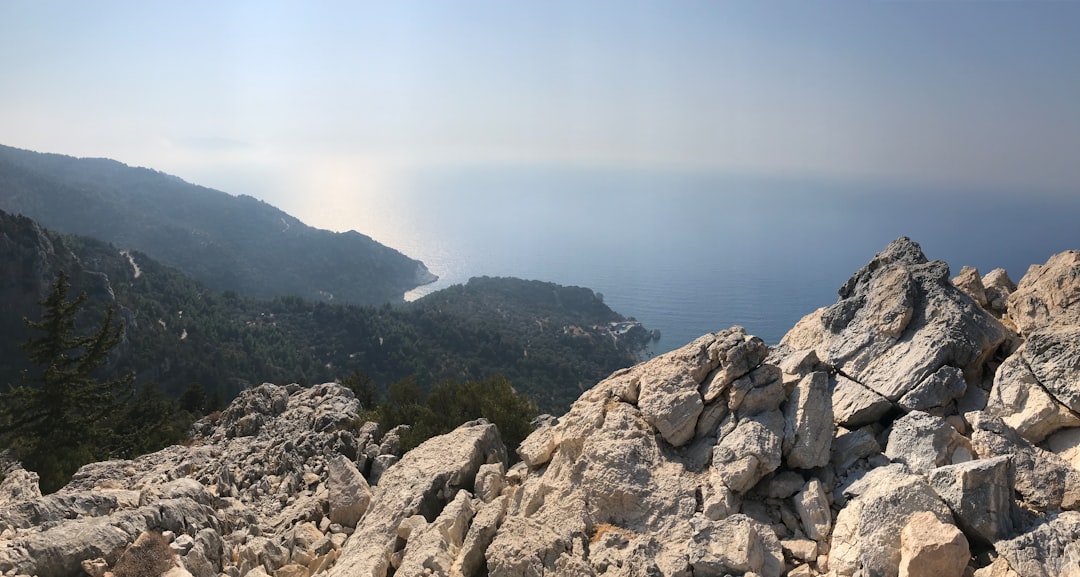
The rain on Mount Olympus doesn't fall; it attacks. I'm standing at the trailhead near Litochoro, soaked through in five minutes, watching a bus of German tourists shiver in their rental sneakers. They came for the gods. They're getting hypothermia. I'm here because I need to know if the climb is worth the bruised shins and the ego death. The myth says the Muses live here. The reality says you'll meet a goat with a grudge and a shepherd who speaks zero English. It's not a postcard. It's a vertical fight.
Most people think of Greece as sun-bleached islands and blue domes. Olympus is the grit behind the glamour. It's the highest peak in the country, a jagged spine of limestone and granite that juts into the Aegean sky. To get to the summit, you don't just walk. You negotiate with rock, weather, and your own stubbornness. Let's cut the romanticism and talk about the dirt, the danger, and the view that actually makes it worth the suffering.
History & Identity
The history of Mount Olympus Mount Olympus isn't just about Zeus throwing lightning bolts. For centuries, this mountain was a fortress, a monastery, and a borderland. During the Ottoman era, the high caves and passes served as hideouts for klephts and armatoloi, Greek resistance fighters who used the terrain to evade imperial troops. The mountain wasn't just a home for gods; it was a sanctuary for rebels.
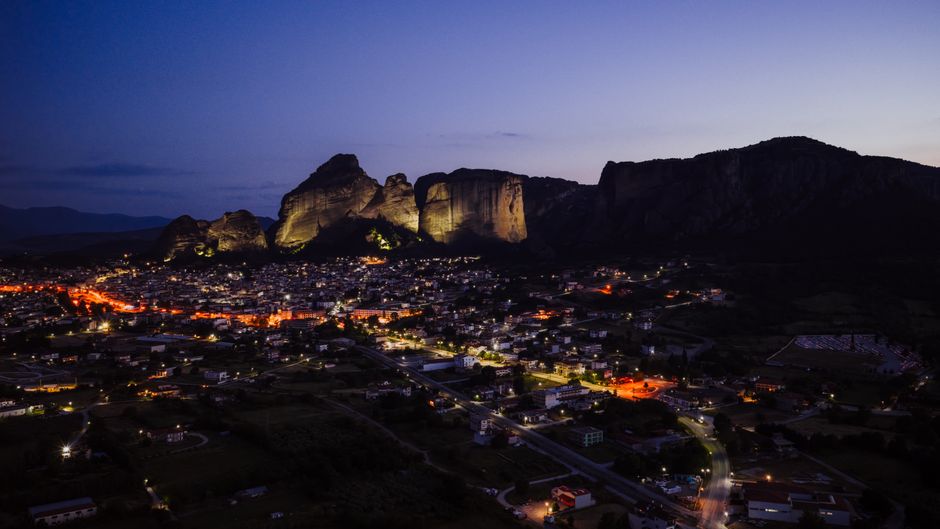
Today, that rugged identity persists. The region around Chalkidiki Chalkidiki is a mix of luxury resorts on the coast and raw, untamed wilderness inland. The town of Litochoro Litochoro at the base of the mountain is the gateway, a working-class hub of tavernas and gear shops that feels worlds away from the polished beaches of Halkidiki. The climb itself is a modern pilgrimage, but one stripped of ceremony. You earn your place here.
Where to Go
Enipeas Cave — This is the historic starting point for most climbers. Located at 1,416 meters, it's a massive, dark cavern that once housed a Byzantine monastery. The cave is cool and damp, a stark contrast to the sun-baked valley below. Entry is free, but the climb from here is steep and rocky. It's a dramatic threshold between the world of men and the realm of the peaks.
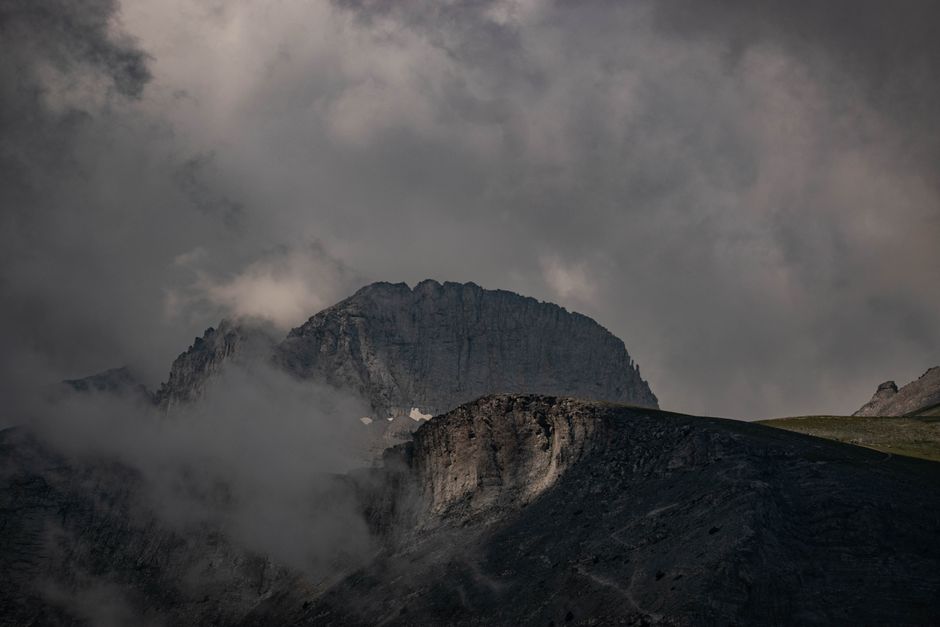
Spiros Samaras Hut — Named after the first Greek to summit Olympus in winter, this mountain refuge sits at 2,632 meters. It's a vital checkpoint for overnight climbers. The hut is basic, with bunk beds and communal dining. The food is hearty, and the atmosphere is a mix of exhausted relief and shared ambition. It's the last place you can get hot coffee before the final push.
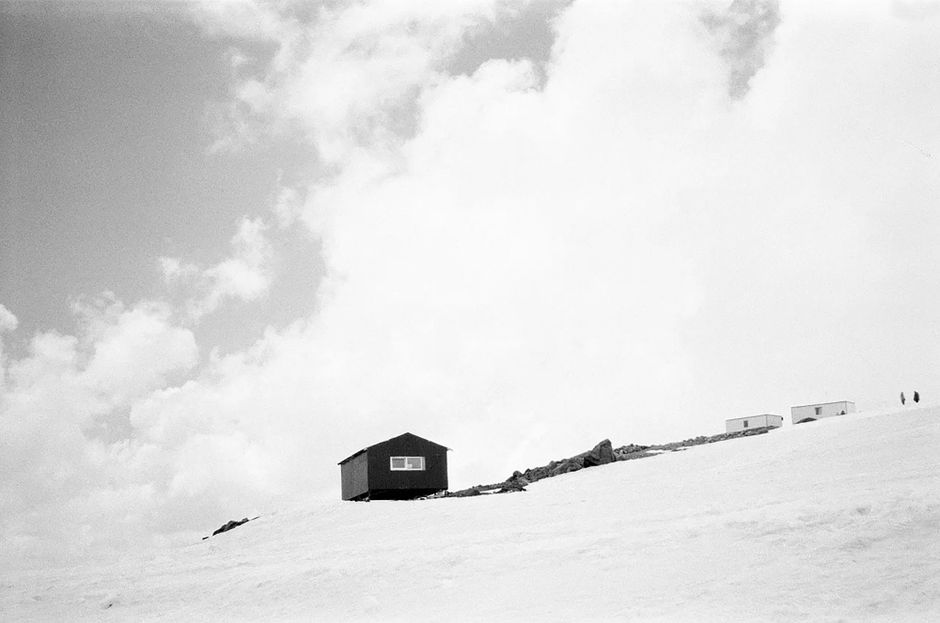
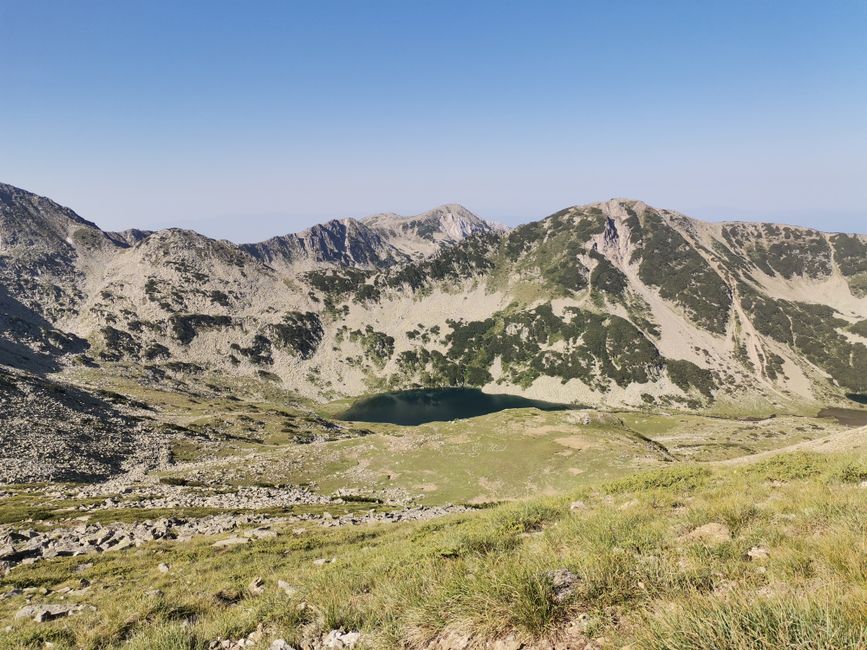
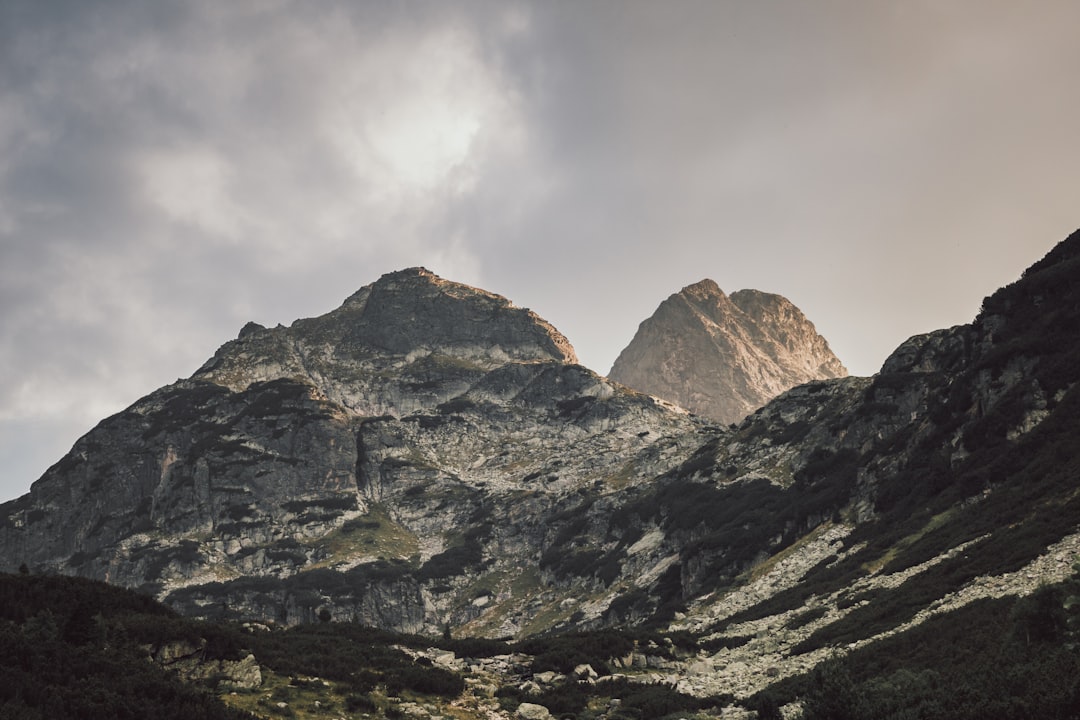
Mytikas Peak — The highest point of Olympus at 2,917 meters. The final ascent is a scramble over loose rock and narrow ridges. The exposure is real, and the wind can be brutal. But the view from the top, looking out over the Aegean Sea and the rest of Greece, is a reward that silences every complaint about the climb. It's not just a summit; it's a perspective shift.
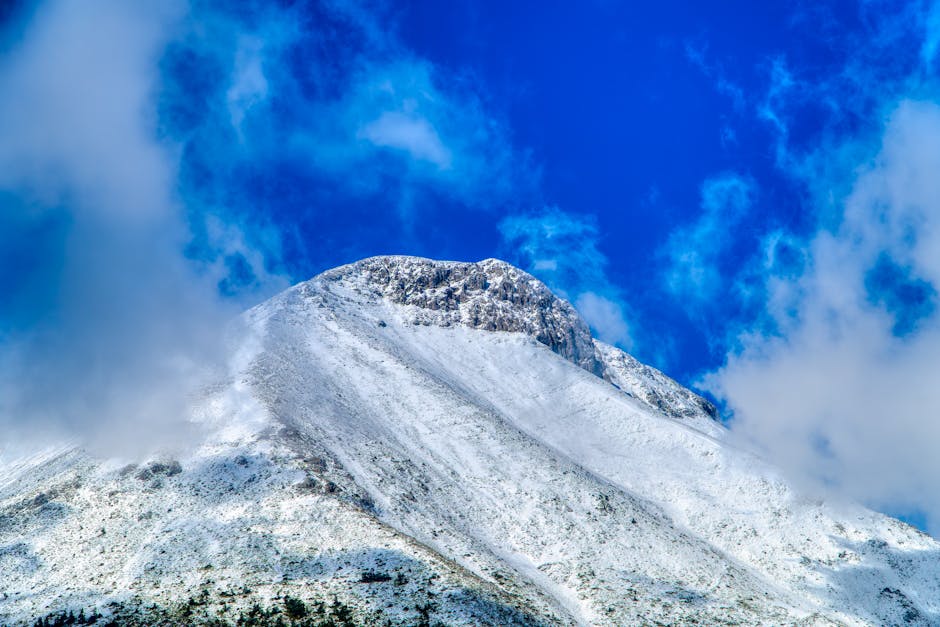
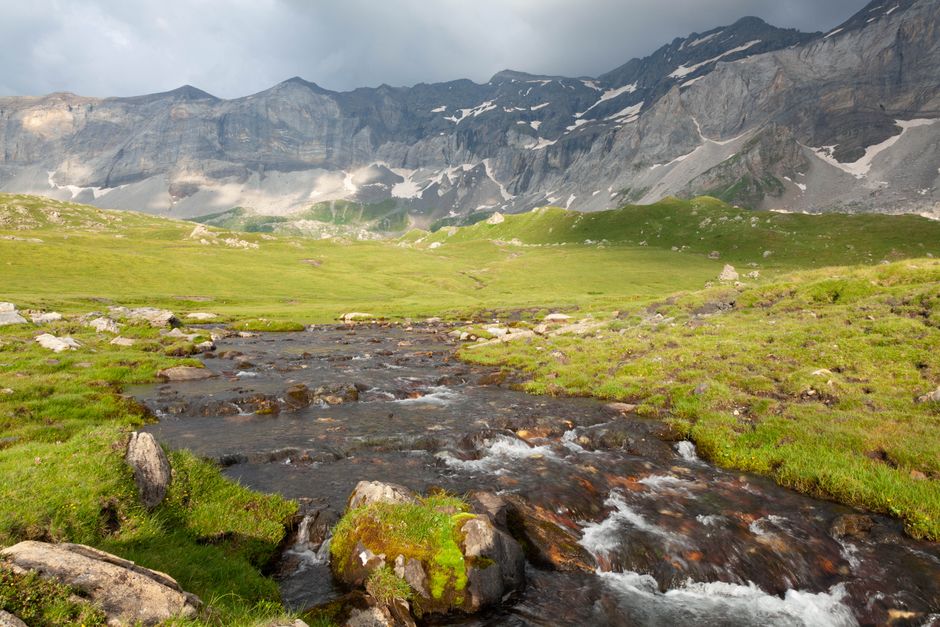
Prionia Plateau — A lower, gentler alternative for those who want to experience the mountain without the summit scramble. The plateau is a high-altitude meadow with wildflowers and panoramic views. It's accessible by a shorter hike from Litochoro and is perfect for a day trip. The terrain is easier, but the sense of isolation and grandeur remains.
What to Eat & Drink
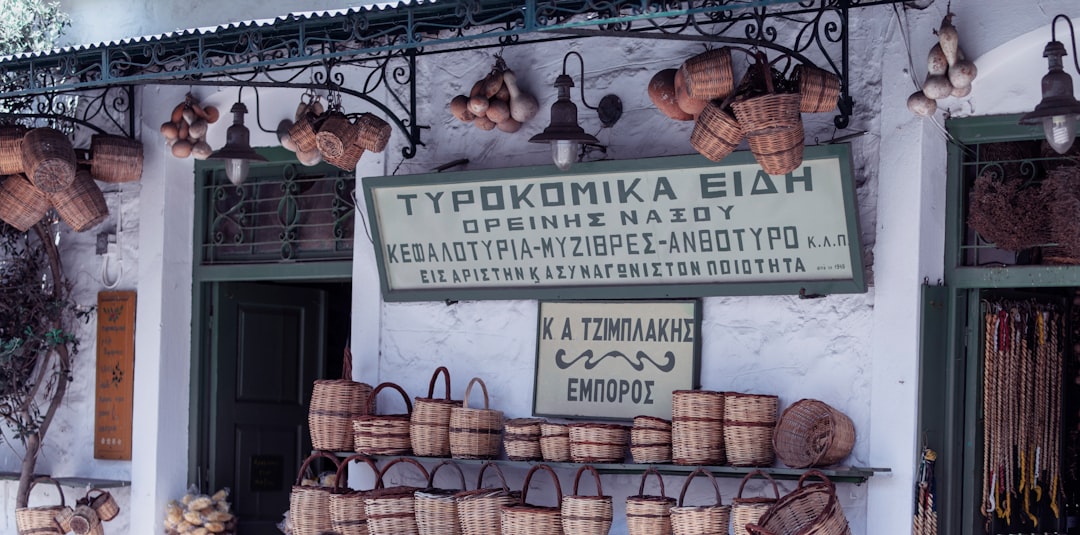
Fueling the climb is a practical necessity, not a culinary adventure. In Litochoro, you'll find sturdy, local fare that keeps you going. Expect stifado 8-10 EUR, a beef stew with onions and spices, or keftedes 5-7 EUR, meatballs served with salad and bread. For quick energy, grab a tyropita 2-3 EUR, a cheese pie that's cheap and filling. Water is critical. Buy it at the base or carry a filter. Dehydration at altitude is a serious risk.
Budget breakdown: Street food and pies are under 5 EUR per meal. A sit-down meal in a taverna in Litochoro runs 15-25 EUR per person. At the Samaras Hut, a full meal is 15 EUR. There's no room service. You eat what's offered, when it's offered. The food is functional, salty, and warm — exactly what you need after six hours of climbing in the rain.
Nightlife
Nightlife in Litochoro isn't about clubs. It's about tavernas. The main street is lined with bars and restaurants that stay open late, especially in the summer. Taverna Pitsa is a local favorite, with live rebetiko music and a crowd of climbers and locals mixing. The vibe is loud, friendly, and unpretentious. You'll hear stories of near-misses on the ridge and boasts about summit times. It's the decompression chamber after the mountain's pressure.
For something quieter, head to Café 1900, a spot with outdoor seating and a view of the mountain. It's a place to watch the clouds roll over the peaks and plan your next move. The alcohol is cheap, the company is rough, and the air is thin. You don't come here to dance. You come here to remember why you climbed.
Getting There & What to Expect
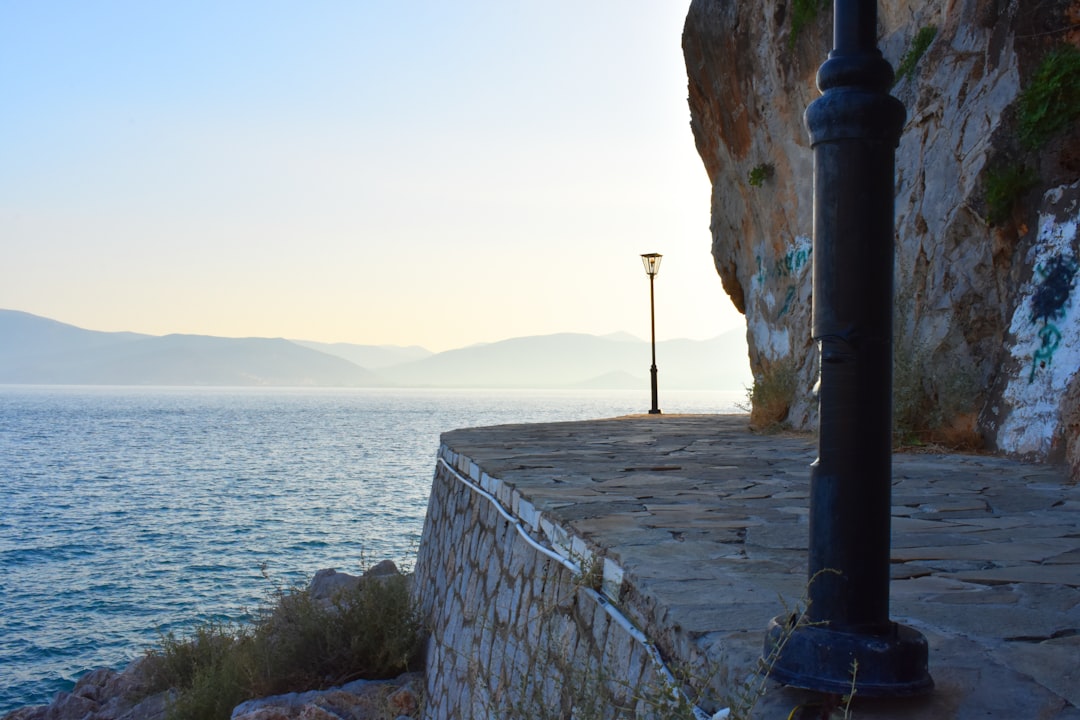
The nearest airport is Thessaloniki International Airport Thessaloniki International Airport, about 100 kilometers from Litochoro. Buses run regularly from Thessaloniki to Litochoro, taking about 1.5 hours and costing 8-10 EUR. Taxis are available but expensive, around 50-60 EUR. If you drive, the road from Thessaloniki is scenic but winding. Rent a car if you want flexibility, but park it in Litochoro and take the mountain bus or hike from the town.
Accommodation in Litochoro ranges from budget guesthouses at 30-50 EUR per night to mid-range hotels at 80-120 EUR. The Samaras Hut charges 25 EUR for a bunk bed, but you must reserve in advance, especially in summer. Camping is not allowed on the mountain. The best months to climb are June to September, when the weather is stable and the snow has melted. Winter climbing is for experts only. Bring layers, rain gear, and sturdy boots. The mountain doesn't care about your itinerary.
Search accommodation in Litochoro on Booking.com →
Mount Olympus National Park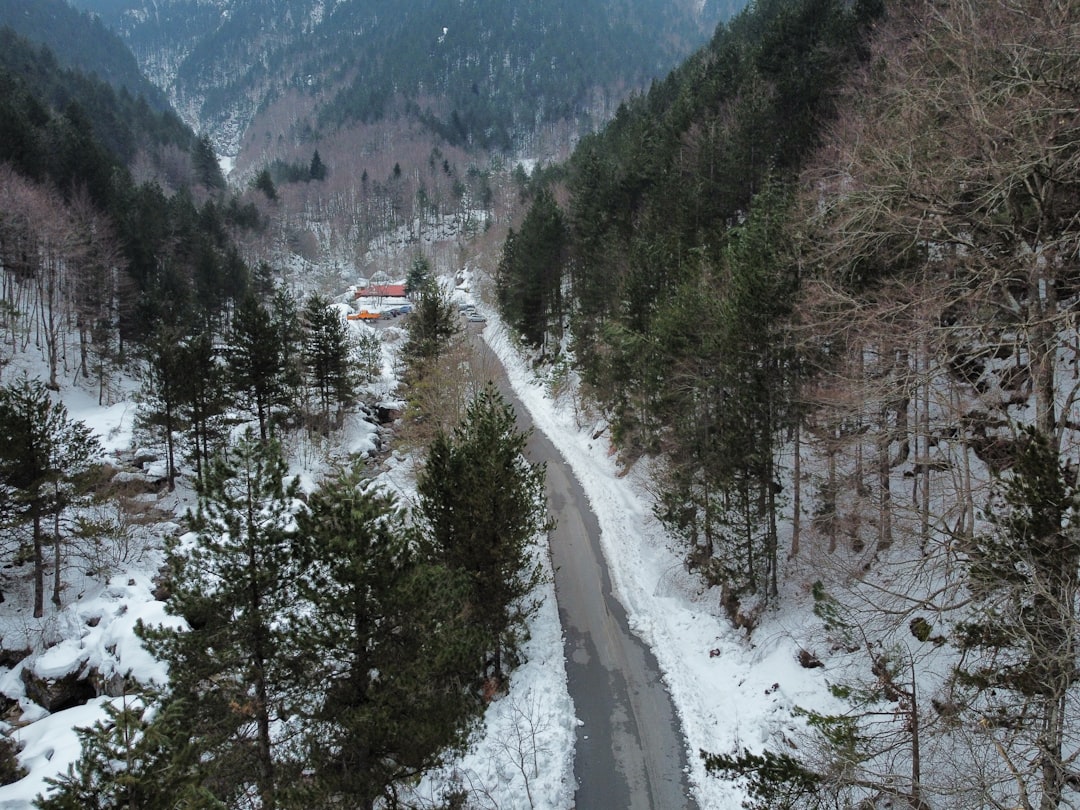
The Final Ascent
I made it to Mytikas at dawn. The rain had stopped, leaving the rocks slick and the air sharp. There were no gods. Just a metal cross, a few flags, and a group of climbers from Japan taking photos. I sat on a rock, exhausted and happy, and watched the sun hit the sea. The myth is a story. The mountain is real. And it doesn't care if you believe in Zeus. It only cares if you can make the climb. That's the truth of Olympus. Not the legend. The sweat.
Comments