


A Pivotal Moment in Faith
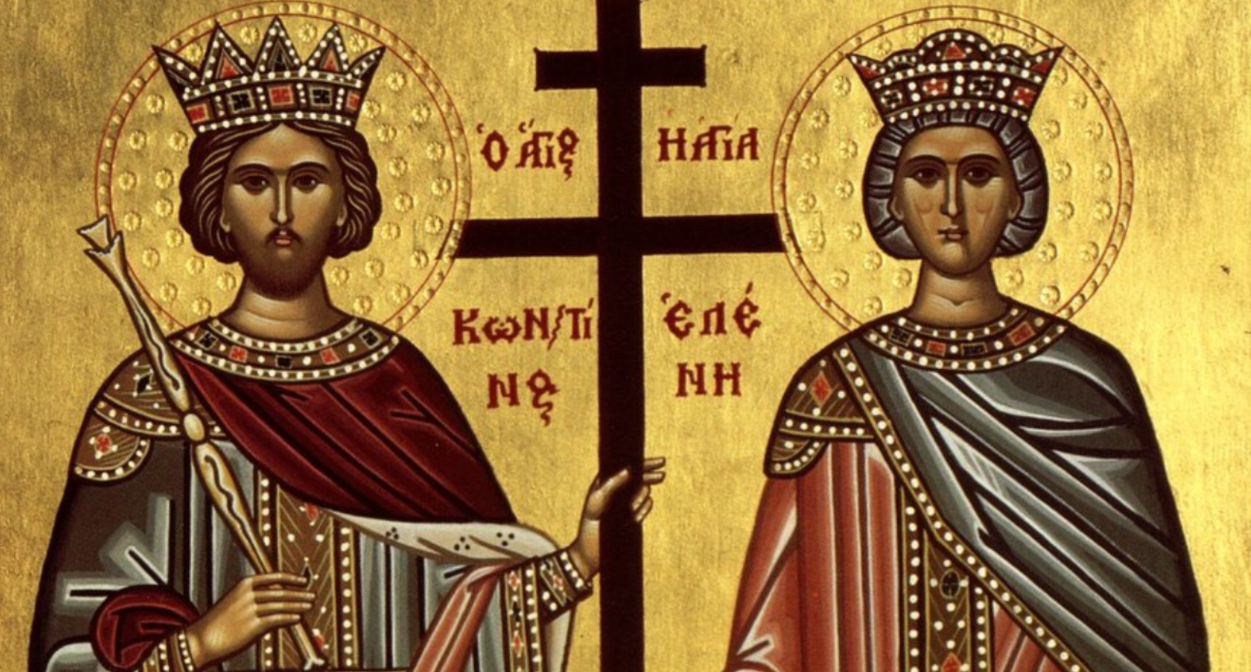
The Serbian Orthodox Church commemorates the feast of Emperor Constantine the Great and Empress Helen on June 3 according to the new calendar. These two figures stand as towering pillars in the history of Christianity, credited with transforming the faith from a persecuted sect into a cornerstone of the Roman Empire. Their legacy is not merely historical but deeply spiritual, marking a definitive shift in how the world understood religious freedom and devotion.
Constantine is best remembered for halting centuries of brutal persecution against Christians. His decisive action paved the way for the open practice of the faith across Europe and the Near East. Meanwhile, his mother, St. Helen, is revered for her pilgrimage to Jerusalem and the miraculous discovery of the True Cross, the instrument of Christ's crucifixion. Together, their lives embody the intersection of political power and profound piety.
The Vision and the Edict
Born in 274 AD, Constantine's path to sainthood began with a legendary vision. Church tradition holds that before a critical battle, a radiant cross appeared in the sky, signaling divine favor and victory. This event reportedly spurred him to issue the Edict of Milan in 313 AD. This landmark decree granted religious toleration throughout the empire, effectively ending decades of state-sponsored oppression against the Church.
The impact of this edict cannot be overstated. It allowed Christian communities to rebuild, organize, and eventually shape the cultural and political landscape of the region. Constantine's conversion and subsequent patronage of the Church laid the groundwork for Christianity's eventual status as the state religion, a move that would influence centuries of European history.
Helen's Pilgrimage and the True Cross
While Constantine worked in the political arena, Empress Helen focused on spiritual archaeology. During her pilgrimage to the Holy Land, she sought out the sites of Christ's passion. According to tradition, she uncovered the True Cross, which had been hidden and buried by pagan authorities. To authenticate the find, a miracle occurred: a deceased individual was revived upon contact with the wood, confirming its divine nature.
This discovery is celebrated annually by the Church as the Feast of the Cross. Helen went on to fund the construction of numerous churches and monasteries in Jerusalem, including the Church of the Holy Sepulchre. These structures remain central to Christian pilgrimage today. Helen passed away in 327 AD, followed by Constantine ten years later. The Church honors both as Equal-to-the-Apostles for their instrumental role in spreading and solidifying the Christian faith.
In Nis, Constantine's birthplace, the feast is observed with particular fervor. The city embraces the holiday as its patron saint day, preserving the memory of the emperor who changed the course of history. For believers, the feast serves as a reminder that steadfast faith and service to God can leave an indelible mark on the world, enduring for centuries.


konstantin veliki baš legenda, milanski edikt je baš promenio sve. nišljani to dobro znaju i slave kao gradski praznik, baš lepo. jelena i čudni krst, sve je to istorija koju treba čuvati.