


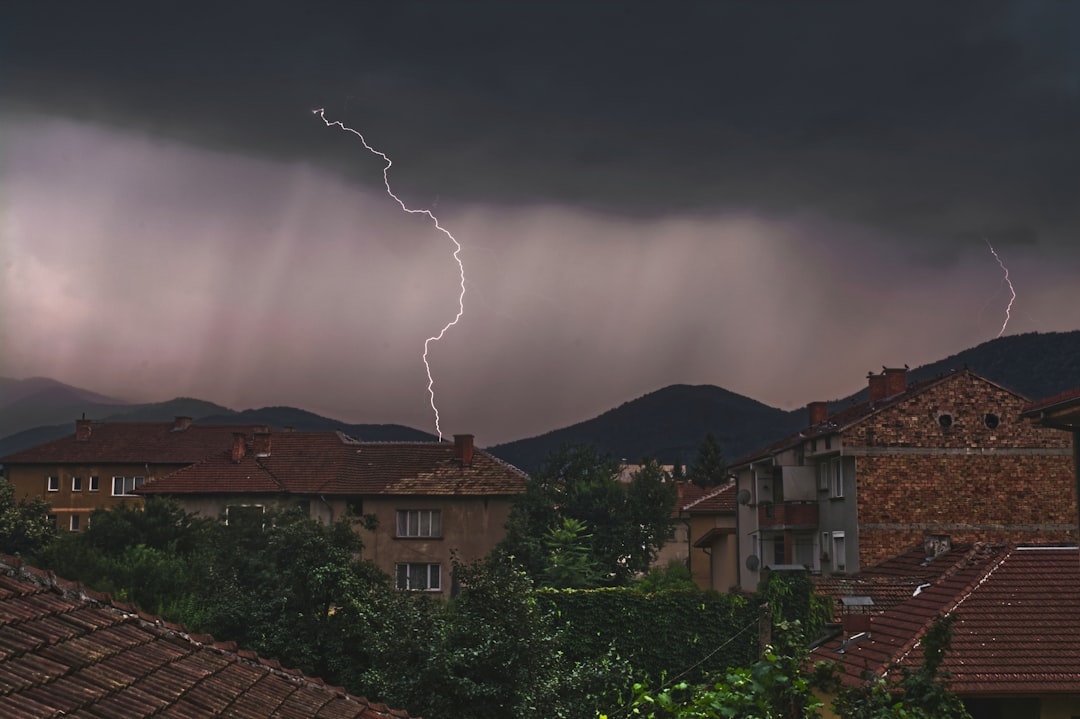
Novi Sad, the capital of Serbia's autonomous province of Vojvodina, is currently grappling with severe weather conditions as intense storms and heavy rainfall impact the region. Meteorological reports indicate that a significant low-pressure system has moved over northern Serbia, bringing with it strong winds, thunderstorms, and potential flooding risks. This weather event is particularly concerning for residents and authorities alike, as the city has faced similar challenges in previous years, highlighting the increasing frequency of extreme weather patterns in the Balkans.
The current weather situation in Novi Sad is part of a broader trend affecting the entire Serbian region, with forecasts predicting continued instability throughout the week. The Hydrometeorological Institute of Serbia (RHMZ) has issued warnings for several yellow and orange alerts, urging citizens to take precautions. For Balkan audiences, this underscores the growing impact of climate change on local weather patterns, making it essential to stay informed and prepared for such events.
Background and Context: A Pattern of Extreme Weather
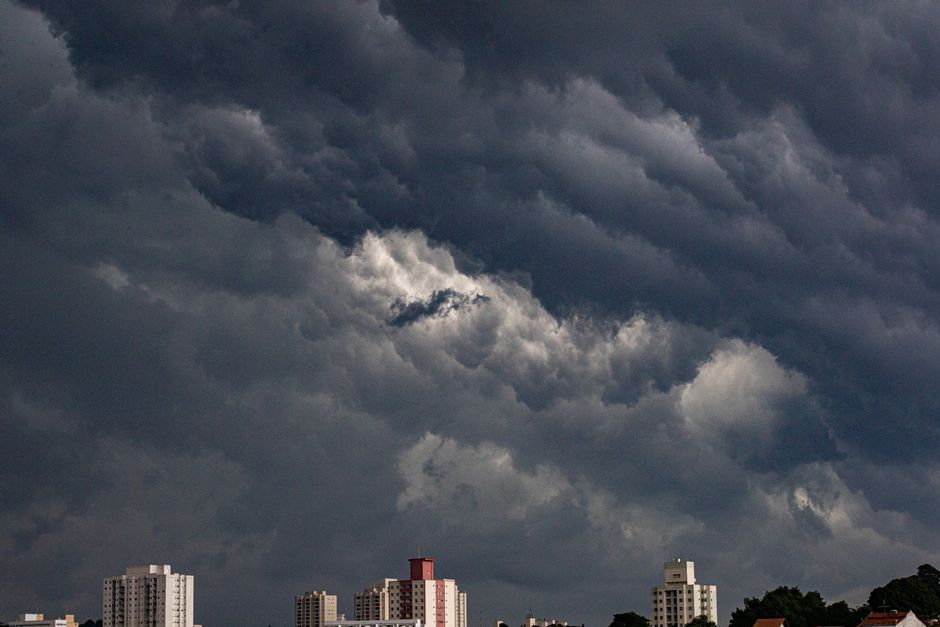
Novi Sad and the wider Vojvodina region are no strangers to extreme weather events. In recent years, the area has experienced a series of severe storms, flash floods, and even tornadoes, which have caused significant damage to infrastructure and disrupted daily life. These events are often linked to the complex geographical features of the region, including the Danube River and the Pannonian Basin, which can exacerbate weather conditions.
The recent storms are part of a larger meteorological pattern that has been increasingly common across the Balkans. Climate scientists point to global warming as a key factor in the rise of extreme weather events, with warmer temperatures leading to more intense rainfall and stronger storms. This trend is not unique to Serbia; neighboring countries such as Hungary, Croatia, and Bosnia and Herzegovina have also reported similar weather-related disruptions in recent months.
Understanding the context of these weather events is crucial for both local communities and international observers. The increasing frequency of extreme weather highlights the need for better infrastructure, emergency preparedness, and climate adaptation strategies. For Novi Sad, this means investing in flood defenses, improving drainage systems, and enhancing public awareness campaigns to ensure that residents are better equipped to handle future weather challenges.
Significance and Impact: Local and Regional Implications
The impact of the current storms on Novi Sad is multifaceted, affecting everything from transportation and commerce to public safety and health. Heavy rainfall has led to flooding in low-lying areas, disrupting traffic and causing delays in public transport. Emergency services have been on high alert, responding to calls for assistance and ensuring the safety of residents. Schools and businesses have also been affected, with some closures and disruptions to daily activities.
On a regional level, the weather event in Novi Sad is part of a broader pattern affecting the Balkans. The interconnectedness of weather systems means that storms in one area can have ripple effects across neighboring regions. For instance, heavy rainfall in Serbia can lead to increased water levels in the Danube River, affecting countries downstream such as Romania and Bulgaria. This regional impact underscores the importance of cross-border cooperation in managing weather-related risks and sharing resources during emergencies.
The economic implications of these weather events are also significant. Flooding and storm damage can result in substantial costs for repairs and reconstruction, placing a strain on local budgets and resources. For businesses, disruptions to supply chains and reduced customer footfall can have a lasting impact on profitability. Additionally, the insurance industry faces increased claims, leading to higher premiums for residents and businesses in high-risk areas.

Balkan Angle: Climate Change and Regional Cooperation
The recent storms in Novi Sad highlight the broader issue of climate change and its impact on the Balkans. As global temperatures rise, the region is experiencing more frequent and intense weather events, posing challenges to infrastructure, agriculture, and public health. This trend is not unique to Serbia; countries across the Balkans are facing similar issues, making it essential for regional cooperation in addressing these challenges.
Regional initiatives, such as the Regional Cooperation Council (RCC), play a crucial role in promoting collaboration on climate adaptation and disaster management. By sharing best practices, resources, and expertise, Balkan countries can better prepare for and respond to extreme weather events. This includes investing in early warning systems, improving infrastructure resilience, and enhancing public awareness campaigns.
For Novi Sad and the wider Vojvodina region, the recent storms serve as a reminder of the importance of proactive measures to mitigate the impacts of climate change. This includes implementing sustainable urban planning, promoting green infrastructure, and supporting renewable energy initiatives. By taking a holistic approach to climate adaptation, the region can build a more resilient future for its residents.
As the weather situation in Novi Sad continues to evolve, it is essential for residents to stay informed and follow the guidance of local authorities. The Hydrometeorological Institute of Serbia provides regular updates on weather conditions, and citizens are encouraged to monitor these forecasts to ensure their safety. For Balkan audiences, the events in Novi Sad serve as a stark reminder of the growing impact of climate change and the need for collective action to address this global challenge.



Comments