


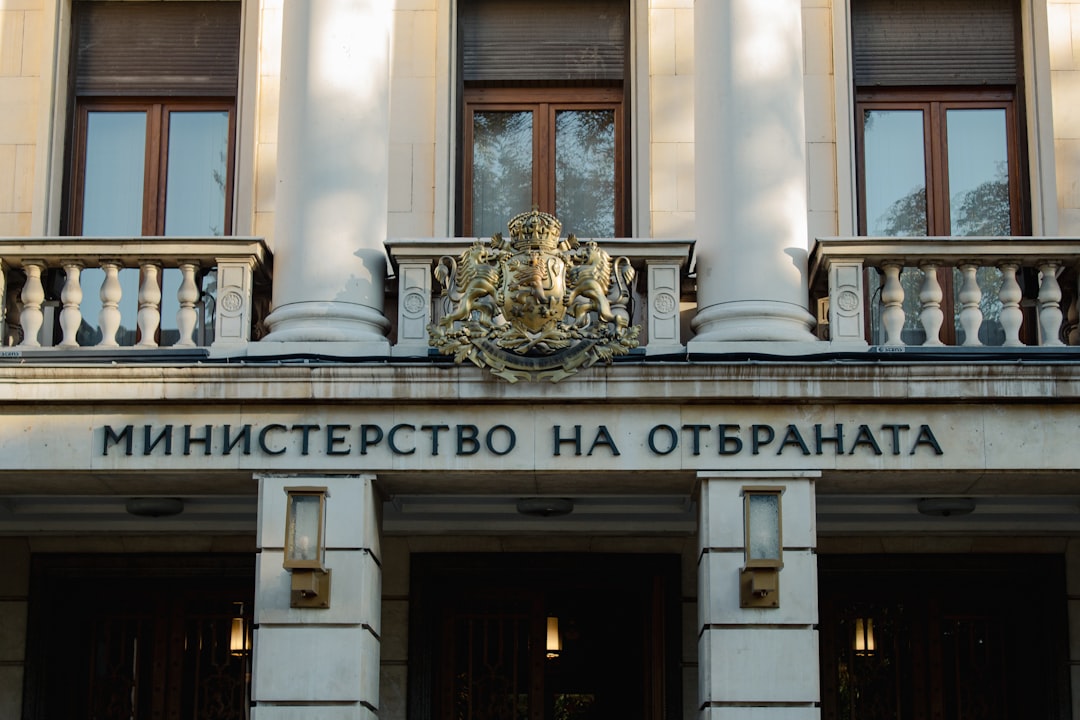
The Ministry of Internal Affairs of the Republic of Serbia (MUP) has intensified security protocols along its western and southern borders, responding to a surge in irregular migration attempts and heightened regional security concerns. This escalation, announced via official police channels and widely circulated on social media, marks a significant shift in how Belgrade manages cross-border movement in the Balkans. The directive applies to all entry points, with special emphasis on routes connecting Serbia to Bosnia and Herzegovina, Montenegro, and North Macedonia. For residents in border towns like Laktashi and Tutin, the measures mean stricter ID checks, extended wait times, and increased police presence. This development is critical for understanding the evolving security landscape in Southeast Europe, where migration pressures and geopolitical tensions continue to intersect.
The move comes amid broader EU migration policy debates and increased cooperation between Balkan states and Frontex. Serbian authorities have cited a 15% rise in unauthorized border crossings in the past quarter, prompting the deployment of additional patrol units and thermal imaging technology. The Interior Ministry’s statement, which has gone viral across regional news platforms, urges citizens to carry valid identification at all times and warns of legal consequences for those attempting to bypass checkpoints. This is not just a domestic issue; it reflects the broader struggle of Balkan nations to balance humanitarian obligations with border security in a region that remains a key transit corridor for migrants heading to Western Europe.
Escalating Security Measures and Regional Cooperation
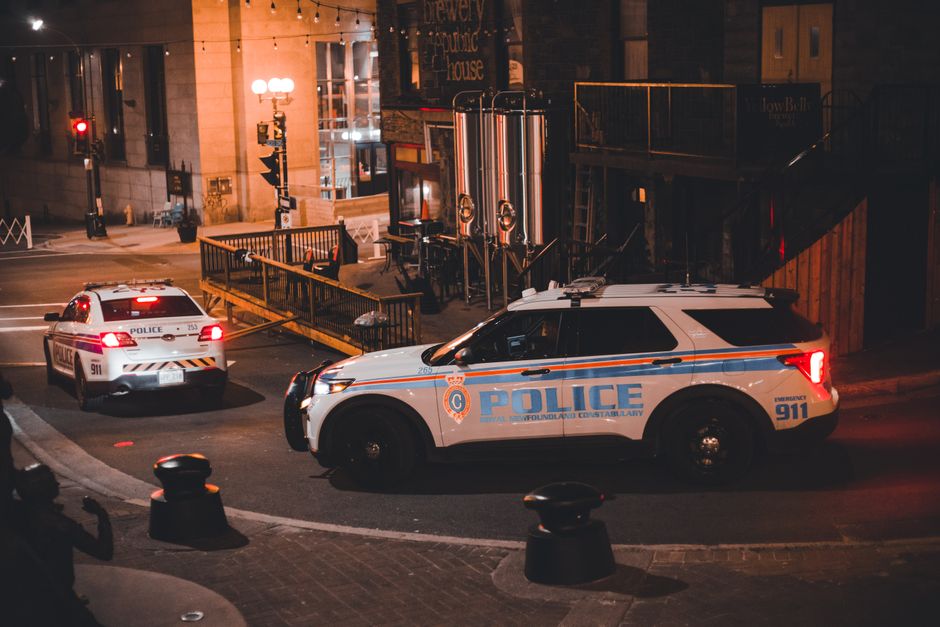
The Ministry of Internal Affairs has coordinated closely with neighboring countries, including Bosnia and Herzegovina and Croatia, to establish joint patrol zones along the Drina and Sava rivers. These efforts are part of a larger framework agreed upon during recent Balkan security summits, where leaders emphasized the need for unified responses to cross-border crime and migration. According to official reports, the new protocols include the use of drone surveillance and AI-powered analytics to monitor high-risk areas. Police stations in border municipalities have been upgraded with additional staffing and equipment, reflecting the government’s commitment to maintaining order. The measures have been welcomed by local officials who have long struggled with resource constraints, but they have also raised concerns among human rights organizations about potential overreach.
In Laktashi, a town in Republika Srpska just across the border from Serbia, residents have reported increased police activity and stricter checks on vehicles and pedestrians. The local police department in Bosnia and Herzegovina has issued similar advisories, urging citizens to comply with new identification requirements. This synchronization of security policies highlights the growing interdependence of Balkan states in managing shared challenges. However, it also underscores the complexities of jurisdictional boundaries and the potential for friction between local authorities and central governments. As migration routes shift and adapt to these new controls, the effectiveness of these measures will be closely watched by international observers and regional partners.
Impact on Citizens and Migration Dynamics
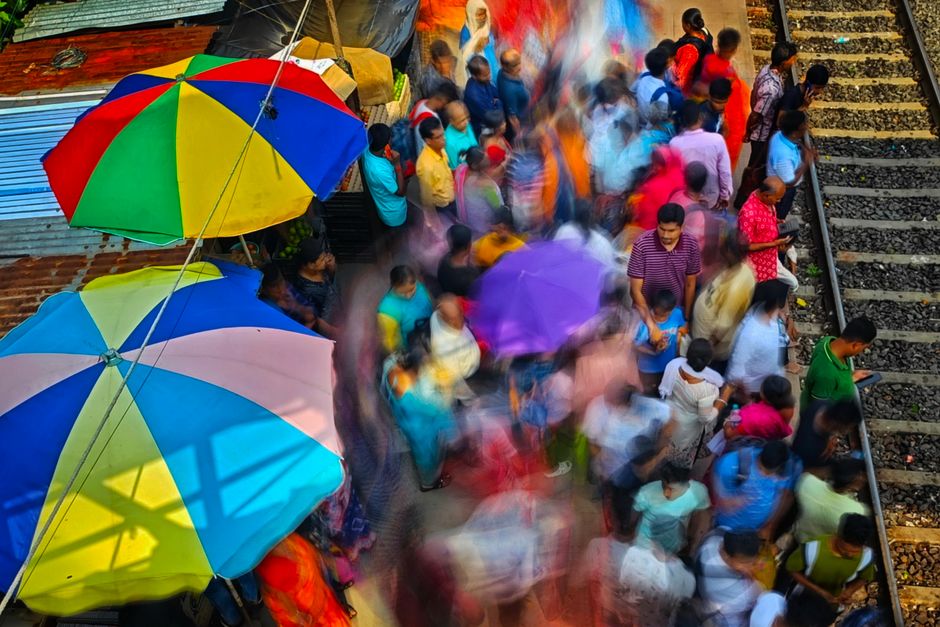
For ordinary citizens in the Balkans, the tightened border controls mean more than just longer queues at checkpoints. The Interior Ministry’s directive has sparked debates about civil liberties, with some critics arguing that the measures disproportionately affect ethnic minorities and vulnerable populations. In towns like Tutin and Novi Pazar, where large Albanian and Bosniak communities reside, there are fears that the increased police presence could lead to arbitrary stops and discrimination. Human rights groups have called for transparency and accountability, urging the government to ensure that security operations respect international law and human rights standards. Meanwhile, migration advocacy organizations are warning that closing one route often leads to the opening of others, potentially pushing migrants into more dangerous and remote areas.
The broader implications of these security measures extend beyond the Balkans. As Europe grapples with the ongoing migration crisis, the actions of Serbia and its neighbors will influence the effectiveness of EU border management strategies. The European Border and Coast Guard Agency has acknowledged the importance of regional cooperation, but questions remain about the long-term sustainability of these measures. Will they deter irregular migration, or simply drive it underground? How will they affect trade and tourism in the region? These are pressing questions for policymakers and citizens alike. As the situation evolves, the Balkans will remain a critical testing ground for Europe’s approach to border security and migration management.

What to Watch Next
In the coming weeks, the focus will be on how the Ministry of Internal Affairs implements these new protocols and how neighboring countries respond. Key indicators will include changes in migration statistics, reports of police conduct, and the effectiveness of joint patrol operations. International organizations, including UNHCR and Amnesty International, are expected to issue statements on the human rights implications of the measures. Meanwhile, local communities will continue to adapt to the new reality, balancing security concerns with their daily lives. For Balkan audiences, this is more than a headline; it is a reflection of the complex interplay between national security, regional cooperation, and human rights in a rapidly changing world. The decisions made in Belgrade and Sarajevo will have ripple effects across the continent, shaping the future of migration and border management in Europe.



Comments