



The annual search for resenja prijemnog iz srpskog 2026 has become a defining cultural moment in Serbia, marking the end of another academic cycle for thousands of secondary school graduates. As students across Belgrade, Novi Sad, and other major cities rush to verify their answers, the pressure surrounding the Serbian language entrance exam remains as intense as ever. This test, part of the broader education system in Serbia, serves as a critical gatekeeper for admission to prestigious universities, particularly in fields like law, medicine, and humanities. The immediate aftermath of the exam is characterized by a surge in online traffic as candidates seek confirmation of their performance, hoping to secure a spot in their desired faculties.
The trend reflects a broader anxiety among Serbian youth regarding higher education opportunities. With university places limited and competition fierce, every point on the Serbian language test carries significant weight. The exam is not merely an assessment of grammar and literature but a decisive factor in a student's future career trajectory. For many, the results of this single day determine whether they will enter their first-choice university or face the prospect of repeating the academic year or settling for a less desirable institution. The digital footprint of this event, with thousands searching for solutions and discussions, underscores the high stakes involved in this national rite of passage.
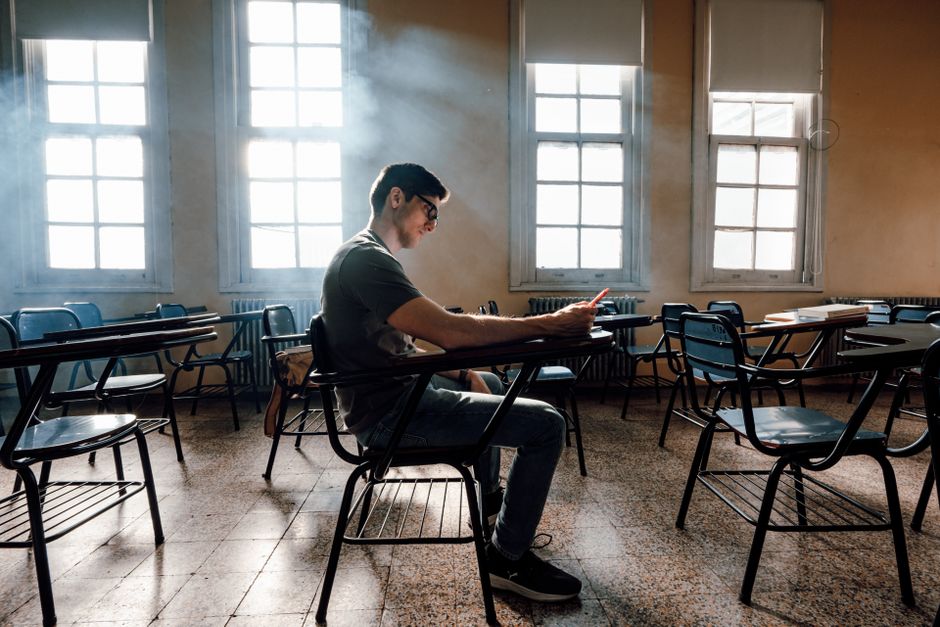
The Structure and Difficulty of the Serbian Language Exam
The entrance exam for Serbian language is designed to test a comprehensive range of linguistic and analytical skills. It typically includes sections on grammar, syntax, text analysis, and literary history. According to recent reports from major Serbian media outlets like Blic, certain questions consistently prove to be the most challenging for students. These often involve complex textual interpretation or nuanced grammatical rules that require deep understanding rather than rote memorization. The exam board aims to differentiate between students who have a superficial knowledge of the language and those who possess a refined command of it.
Students often struggle with questions that require them to identify stylistic devices or analyze the deeper meaning of literary excerpts. The time pressure adds to the difficulty, as candidates must balance speed with accuracy. Many educators argue that the exam's difficulty level is intentionally high to maintain the quality of education in Serbian universities. However, critics point out that the stress can be overwhelming, leading to anxiety that may hinder performance. The search for resenja prijemnog iz srpskog 2026 immediately after the test highlights the students' desire for immediate feedback, a psychological need to gauge their success in a high-stakes environment.
The exam also serves as a barometer for the state of language education in Serbian schools. When a particular question is widely reported as difficult, it often sparks a national debate about teaching methods and curriculum standards. Teachers and linguists use these moments to advocate for changes in how language is taught, emphasizing the need for more practical, application-based learning rather than just theoretical knowledge. The feedback loop between the exam results and educational policy is a slow but important process that shapes the future of language education in the country.

Impact on University Admissions and Student Futures
The results of the Serbian language entrance exam directly influence university admissions, particularly for faculties where language proficiency is paramount. Law, journalism, and philology programs often have high minimum score requirements, making this exam a critical hurdle. For students who perform well, the door opens to competitive programs that offer strong career prospects. Conversely, those who fall short may find their options limited, forcing them to consider alternative paths or retake the exam. The disparity in outcomes can be stark, with a single point difference determining acceptance or rejection.
This high-stakes nature of the exam has led to a proliferation of private tutoring and preparation courses. Many families invest significant resources to ensure their children are well-prepared, creating a competitive environment that begins years before the actual test. The inequality in access to these resources can exacerbate social divides, as students from wealthier backgrounds often have an advantage. The search for exam solutions online is a democratizing force, allowing all students to access the same information, but it does not erase the underlying disparities in preparation and opportunity.
University administrators closely monitor the exam results to gauge the quality of incoming students. High average scores can enhance a university's reputation, while low scores may signal issues in secondary education. The data collected from these exams is also used for research and policy-making, helping to identify trends and areas for improvement. The long-term impact of the exam extends beyond individual students, influencing the broader educational landscape in Serbia. As the country seeks to align its education system with international standards, the entrance exam remains a key tool for maintaining academic rigor.

The Digital Age and the Search for Instant Gratification
In the digital age, the immediate search for exam solutions has become a cultural phenomenon. Students turn to social media, forums, and news websites to compare answers and discuss their performance. This instant feedback loop provides a sense of closure, even if the official results are not available for weeks. The online discourse around the exam is vibrant, with students sharing their experiences, frustrations, and hopes. This digital engagement reflects the modern student's reliance on technology for information and support.
However, the reliance on unofficial solutions can be risky. Incorrect answers circulated online can lead to misinformation and unnecessary anxiety. Students may mistakenly believe they have performed well or poorly based on inaccurate information. Educational authorities often warn against relying on unofficial sources, emphasizing the importance of waiting for the official results. Despite these warnings, the allure of instant gratification is strong, and the search for resenja prijemnog iz srpskog 2026 continues to drive significant web traffic.
The phenomenon also highlights the changing nature of student life. The exam is no longer just a solitary experience; it is a shared, communal event that unfolds in real-time online. This digital connectivity provides a sense of solidarity among students, who know they are not alone in their struggles. It also creates a platform for advocacy, where students can voice their concerns about the exam's difficulty or fairness. As technology continues to evolve, the way students interact with the exam process will likely change, but the underlying pressure and importance of the test will remain constant.
Looking Ahead: Reforms and Future Challenges
As Serbia continues to modernize its education system, the entrance exam is likely to undergo further reforms. Policymakers are increasingly focused on creating assessments that are fair, comprehensive, and aligned with contemporary educational goals. There is growing discussion about incorporating more diverse question types and reducing the emphasis on rote memorization. The goal is to create an exam that better reflects the skills needed in the modern workforce, such as critical thinking and problem-solving.
For students, the best preparation remains a solid foundation in language skills, developed through consistent study and practice. While the search for exam solutions provides temporary relief, it is the long-term commitment to learning that will ultimately determine success. The journey through the entrance exam is a challenging but rewarding one, shaping the future of Serbia's brightest minds. As the next generation of students prepares for their own exams, the lessons learned from previous years will continue to inform their approach, ensuring that the tradition of academic excellence endures.


Comments